Why I started Raw Chocolate Recipes
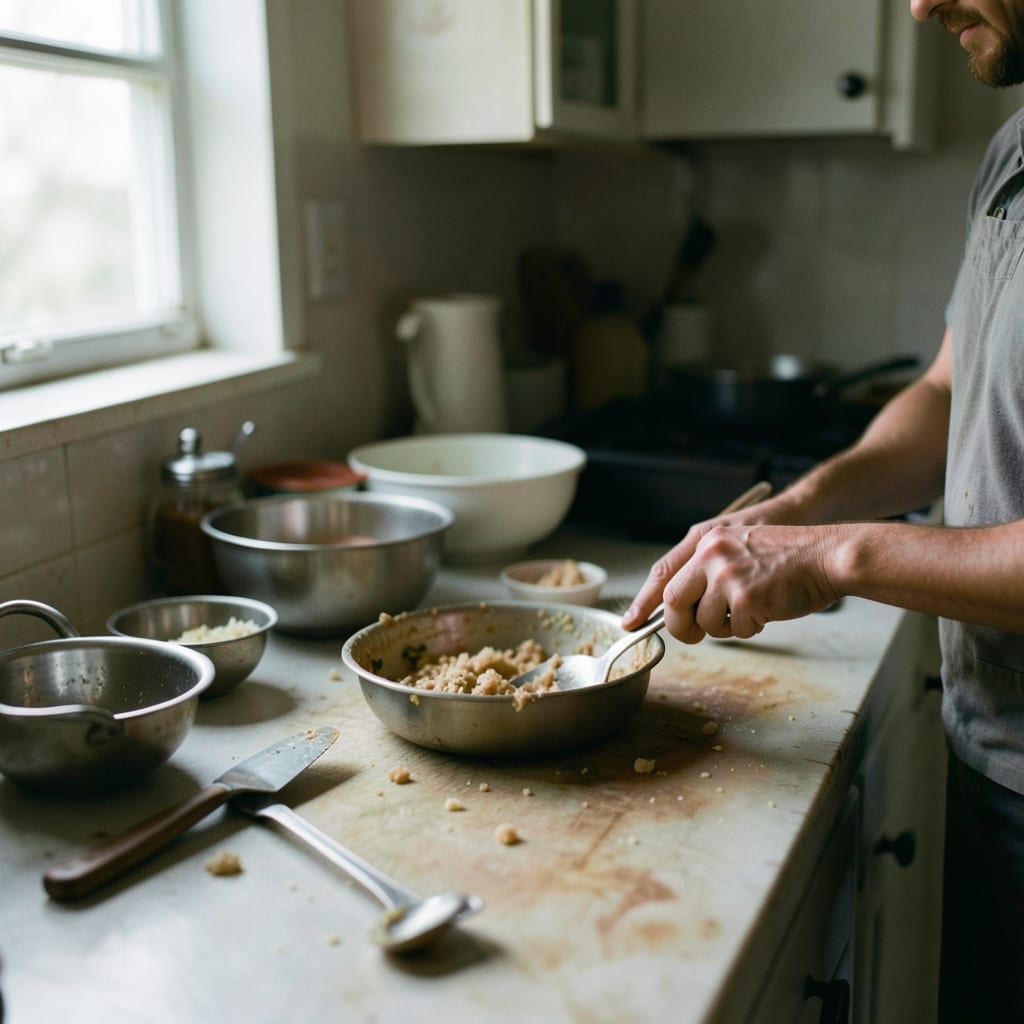
It was the day I tried to make raw chocolate bark for the first time—just a handful of cacao nibs, a splash of maple syrup, and my mother’s old blender that still had a suspicious stain from 1998.
The result was a greasy, grainy lump that stuck to my fingers and tasted like regret. That’s when I realized no one was writing about the *real* mistakes, the ones that happen before the recipe ‘works.’
This site is for anyone who’s ever stared at a half-failed batch and thought, *‘Maybe I just need to know what went wrong first.’* Here, you’ll find recipes that actually work—but more importantly, you’ll find the notes on why they *didn’t* the first (or second, or third) time.
No fluff, just the good stuff: the flavors that surprise you, the techniques that save you, and the lessons learned in a kitchen that’s seen better days.
Meet the founder

I grew up sneaking bites of my mom’s raw chocolate mixes, convinced her secret was some kind of alchemy. Turns out, it was just a lot of trial and error—and a blender that vibrated so loudly it made the dogs howl.
She’d sigh, hand me the whisk, and say, *‘If it’s not broken, you’re not trying.’* That’s the philosophy here: recipes are supposed to be messy before they’re magic.
The blender is still in my kitchen, now with a proper lid (after I learned the hard way that cacao + speed = a science experiment).
It’s got a dent from the time I forgot to add the sweetener to a ganache, and another from when I tried to pulverize frozen banana into a smoothie. It’s my favorite tool—not because it’s fancy, but because it’s seen every mistake I’ve made.
The biggest failure? A batch of raw chocolate truffles that turned into a single, sad, crumbly ball. I’d followed a recipe *exactly*, but the cacao percentage was off, and the texture was all wrong. That’s when I started writing down *why* things went wrong—not just the final result.
Now, every recipe here has a ‘Lessons Learned’ section, because someone else will make the same mistake someday.
I have a habit of tasting everything twice: once raw, once after it’s set. It’s ridiculous, I know, but I swear I can taste the difference between a recipe that’s *almost* right and one that’s *actually* right. And if I’m not sure? I’ll make it again tomorrow.
Patience is the only ingredient I measure by heart.
Meet the mascot
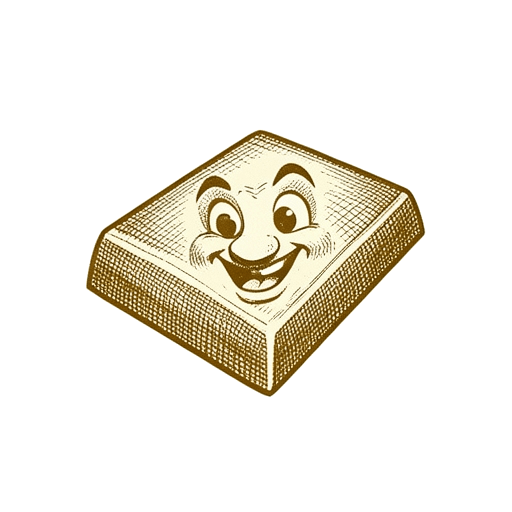
The mascot started as a scribble on a napkin at a café in Portland, where I was frantically sketching out flavor pairings between sips of terrible coffee.
The first attempt looked like a lopsided blob with too many arms—like a chocolate bar that had been sat on by a very confused cat.
I knew it needed something more *human*, so I redrew it as a stick figure holding a cacao pod, grinning like it had just discovered the perfect recipe.
The next version was cleaner: a simple outline, the pod now cracked open to show the nibs inside. I traced it onto a piece of parchment paper and held it up to the light—only to realize the lines were too thin to read on a browser tab.
So I bolded the outlines, simplified the hands, and gave it a jaunty tilt, like it was just about to drop a spoonful of something delicious into your lap.
Now it’s the face of this site, because it’s exactly what this place is: a little messy, a little imperfect, but always getting back to the good stuff. I call it *Cocoa*. (Don’t ask why—it just *felt* right.)
What I promise you
You can trust that every recipe here has been tested at least three times—once by me, once by someone who *actually* follows instructions, and once by the laws of physics (which, let’s be honest, are the real judge).
What you can hold me to
- If a recipe says ‘2 minutes,’ I timed it with a stopwatch—not my phone screen.
- Every ingredient list includes *why* it’s there (and what happens if you skip it).
- The ‘What went wrong’ section is never just ‘oops.’ It’s always a fix—or a warning.
- No recipe here requires a $200 machine. If it does, I’ll tell you how to cheat.
How I create a recipe
A recipe starts in my head, but it lives in my kitchen—usually at 3 AM, when the house is quiet and the only witness is a very judgmental cat. I scribble notes on whatever’s handy: napkins, the back of a cereal box, once even a takeout menu.
The first batch is always a guess, and the second is usually a disaster. That’s when I start paying attention to the *real* details: how long it takes to melt, when the texture changes, what happens if I add the salt late.
The first taste test
I taste everything raw, even if it’s not supposed to be eaten that way. Cacao nibs? Chewed like gum to check for bitterness. Nut butters? Whisked straight from the jar to see if they’re smooth enough.
If it tastes like dirt or regret, I adjust the sweetener, the fat, or the time—and I *always* write down what I changed. The first rule of raw chocolate: if it doesn’t taste good now, it won’t later.
The real test is temperature. Raw chocolate needs to be between 78–82°F (25–28°C) to set right. Too cold, and it’ll seize up like a stubborn blender. Too hot, and it’ll turn into a greasy puddle.
I use an old candy thermometer that’s seen better days, but it’s the only one I trust—because it’s the one that’s lied to me the most. (Pro tip: if it’s not reading right, tap it gently. Yes, I do that too.)
The fix-it stage
If the texture is wrong, I’ll blend it again—sometimes with a splash of warm water to coax it back to life.
If it’s too thick, I’ll thin it with melted coconut oil, a teaspoon at a time, stirring like my life depends on it. (Spoiler: it doesn’t.) The key is patience. Rushing turns raw chocolate into a science experiment, and science experiments don’t always end well—ask my dented blender.
The final check is the ‘finger test.’ I dip my finger in the mixture and let it cool for 10 seconds. If it holds its shape but still feels slightly tacky, it’s ready.
If it crumbles like my willpower on a sugar-free diet, I’ll add more cacao butter and try again. No shortcuts. If it’s not perfect by the third attempt, I’ll scrap it and start over. (This has happened. Often.)
How a page gets onto this site
While the chocolate is setting, I’m scribbling notes on a legal pad—ingredients, times, the one weird trick that saved it. The next day, I’ll type it up, but I always cut at least 20% of what I wrote. Recipes are supposed to be *useful*, not a memoir.
If I catch myself explaining why I used almond butter instead of cashew butter for the third time, it goes. If a step doesn’t make sense on a first read, it gets rewritten.
Some pages get rewritten months later because I realized I missed a better way—or because someone wrote in to say they’d tried it and it failed.
That’s when I go back to the kitchen, make it again, and fix what was wrong. (This site is a living thing, not a static manual.) The goal? A recipe that works the first time *for you*, not just the first time *for me*.
Write to me
I love hearing about your experiments—especially the ones that went wrong. Did you try a recipe and it turned into something else entirely? Did you swap an ingredient and it became a masterpiece?
Send me the details, and I’ll add it to the ‘Lessons Learned’ section. (Yes, I’ll give you credit. No, I won’t judge your cacao percentage.)
If you’ve got a question or a recipe you’ve been meaning to share, head to the contact page. Let’s make something delicious—together.
The recipes are grouped by category: Appetizers, Beverages, Breakfast & Brunch, Desserts, Main Courses and Reviews.