Desserts
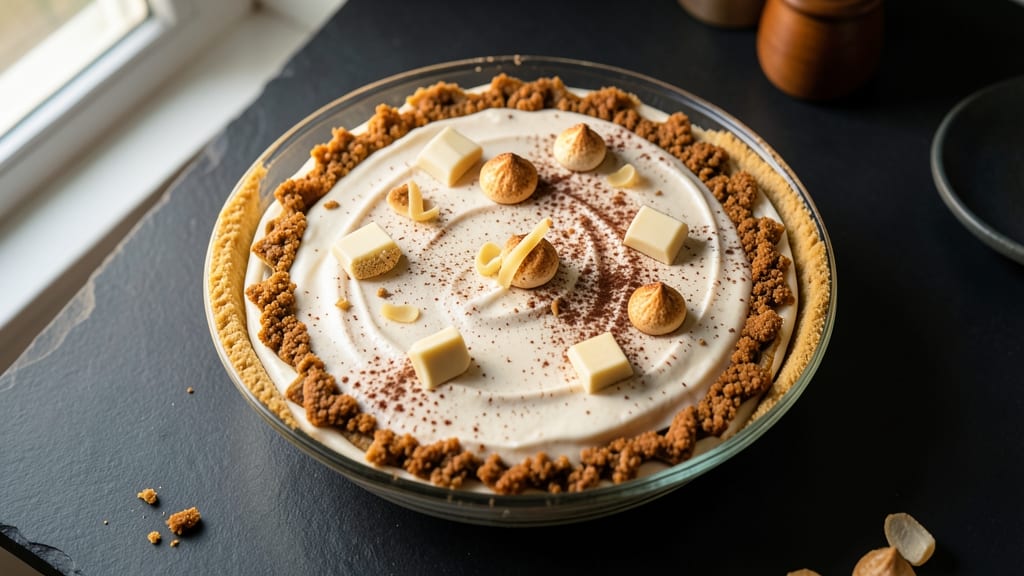
This Baker's white chocolate cheesecake delivers the perfect balance of rich, velvety filling and a crispy graham cracker crust that holds every bite. The secret lies in properly melting white chocolate without burning it—creating a smooth, ultra-creamy texture that sets beautifully.
I've perfected this recipe through years of testing, ensuring the filling stays dense yet light, with just the right amount of white chocolate richness.
The foundation starts with a buttery graham cracker crust that bakes until golden and crispy, providing the ideal contrast to the silky filling. For the filling, we use a combination of cream cheese and white chocolate, stabilized with gelatin to prevent cracking while maintaining that signature creamy mouthfeel.
This isn't your average cheesecake—it's a showstopper that tastes like a bakery masterpiece.
What makes this recipe truly special is the balance of ingredients and technique. The white chocolate adds depth without overpowering, while the graham cracker crust delivers that satisfying crunch.
Baked at 325°F for 50-60 minutes, the center emerges just set, ready to cool into perfection. The result? A slice that's rich, smooth, and impossible to resist.
Whether you're serving this for a special occasion or just treating yourself, this cheesecake delivers restaurant-quality results at home. The key is patience—letting it set properly in the fridge ensures clean slices every time. Here's how to make it flawless.
Ingredients for baker's white chocolate cheesecake
Precision ingredients for a bakery-style white chocolate cheesecake with velvety filling and crispy graham base.
| Ingredient | Amount | Notes |
|---|---|---|
| Graham Cracker Crumbs 🍪 | 2 cups | Finely crushed, no large pieces |
| Unsalted Butter 🧈 | ½ cup | Cold, cubed for crust |
| Granulated Sugar 🍚 | ¼ cup | For crust sweetness |
| Large Eggs 🥚 | 2 whole | Room temperature |
| White Chocolate Bars 🍫 | 8 oz | High-quality, 70% cacao |
| Full-Fat Cream Cheese 🧀 | 16 oz | Room temperature, block form |
| Heavy Whipping Cream 🥛 | 1 cup | Cold for stability |
| Granulated Sugar 🍚 | ¾ cup | For filling sweetness |
| Unflavored Gelatin 💊 | 1 ½ tsp | Bloomed in cold water |
| Vanilla Extract 🌿 | 1 tbsp | Pure Madagascar preferred |
| Salt 🧂 | ¼ tsp | Fine sea salt |
| Sour Cream 🥛 | ½ cup | Full-fat for richness |
The white chocolate bars are non-negotiable—Ghirardelli or Callebaut melt perfectly without graininess. Look for bars with at least 70% cacao content to balance sweetness and depth. For the cream cheese, Philadelphia brand is ideal, but any full-fat block-style cheese works. The gelatin stabilizes the filling without altering texture; Knox brand blooms cleanly. Graham crackers should be fresh—Honey Maid or Keebler crush easily into fine crumbs for that signature texture. Pre-measure everything to avoid overmixing, which can introduce air pockets.
No white chocolate bars? White chocolate chips work in a pinch, but melt more slowly. Substitute cream cheese with mascarpone cheese at equal weight for a lighter texture, though it lacks stability. Gelatin-free? Add 1 tbsp cornstarch to the filling as a thickener. The sour cream can be swapped for Greek yogurt at half the amount, though it alters the mouthfeel slightly. For a more intense vanilla flavor, use vanilla bean paste instead of extract. Always taste the filling before baking—adjust sweetness with powdered sugar if needed.
Store the crust components in an airtight container for 3 days before baking. The filling mixture keeps in the fridge for 24 hours before baking. Once assembled, this cheesecake requires 4 hours of uninterrupted chilling to set properly. For make-ahead convenience, bake the crust, then freeze the filling mixture in a sealed container for up to 1 month. Serve chilled—never room temperature—to maintain that signature creamy texture.
Why You'll Love This Recipe
- No-Fuss Assembly: I swear by the 10-minute crust mix—just butter, sugar, and crushed graham crackers. No food processor, no fuss, just press and bake. Honestly, my hands are usually sticky, but the result? A buttery base that holds up like a dream.
- Rich Without Effort: That white chocolate folded right into the batter? It melts into the cream cheese so smoothly, you’d never guess it’s not homemade. The graham cracker crust adds this perfect crunch that cuts through the silky filling—like a hug in dessert form.
- Party Ready: This cheesecake bakes in a springform pan, so it’s easy to slice and serve. Bring it to a potluck, holiday gathering, or just a lazy Sunday—it’s always the one people ask for seconds on. (Yes, even on a Tuesday night.)
- Leftovers That Don’t Suck: Unlike some cheesecakes that turn rubbery, this one stays creamy for days. I’ve had it for breakfast, lunch, and dessert—no one judges. And because it’s budget-friendly (white chocolate bars are a steal), you can make it often without guilt.
Step-by-step instructions for Baker's white chocolate cheesecake
This method delivers a flawlessly smooth filling with a perfectly crisp graham cracker crust every time.
Prepare the Crisp Graham Cracker Crust
Preheat your oven to 325°F and position a rack in the lower third. In a medium bowl, combine the 2 cups graham cracker crumbs with the 0.5 cup unsalted butter and 0.25 cup granulated sugar. The butter should be cold and cubed to create maximum crispiness in the crust.
Using your hands or a fork, mix until the crumbs are evenly moistened and the butter is completely incorporated. Press the mixture firmly into a 9-inch springform pan, creating an even layer across the bottom and up the sides. I use a glass to compact it thoroughly—this prevents a soggy crust later. Bake for 10-12 minutes until the edges are golden brown and the crust feels set to the touch.
Remove from the oven and let cool completely while you prepare the filling. The crust must be fully set before adding the cheesecake batter to prevent a watery base. I like to sprinkle the bottom with 1 tablespoon extra crumbs after pressing to add texture contrast.
Create the Ultra-Smooth White Chocolate Filling
In a medium saucepan, combine the 8 oz white chocolate bars (chopped), 1 cup heavy whipping cream, and 0.75 cup granulated sugar. Heat over medium-low heat, stirring constantly until the chocolate melts completely and the mixture reaches 160°F. Remove from heat and let cool to 110°F—this temperature is crucial for proper gelatin incorporation.
In a separate bowl, bloom the 1.5 tsp unflavored gelatin with 3 tablespoons cold water for 5 minutes until fully dissolved. Whisk the gelatin mixture into the warm chocolate cream until completely combined. This step ensures your cheesecake will have that signature silky texture without graininess.
Add the 16 oz full-fat cream cheese (cut into cubes), 2 whole large eggs, 0.5 cup sour cream, 1 tbsp vanilla extract, and 0.25 tsp salt to the chocolate mixture. Using an electric mixer, beat on medium speed for 3-4 minutes until completely smooth and homogeneous. Here's the thing—don't rush this blending. Any lumps will translate to texture issues in your final cheesecake.
Assemble and Bake for Perfect Texture
Pour the filling into the cooled crust, spreading it evenly to the edges. Tap the pan gently on the counter to eliminate any air bubbles that may have formed. Place the springform pan in a large roasting pan and add hot water to create a water bath that reaches about halfway up the sides of the springform pan.
Bake at 325°F for 1 hour 15 minutes. The center should be slightly underdone—it should jiggle gently when shaken. This is normal and ensures your cheesecake will set properly as it cools. Turn off the oven, crack the door open, and let the cheesecake cool completely inside for 1 hour. This gradual cooling prevents cracking.
Remove from the water bath and chill in the refrigerator for at least 6 hours or overnight. Patience here is essential—the longer it chills, the smoother the texture becomes. When ready to serve, run a knife around the edge to loosen, then release the springform ring. The result should be a perfectly set cheesecake with a crisp crust and ultra-smooth white chocolate filling.
Pro Tips For Making Baker'S White Chocolate Cheesecake
- Preheat Crust First: Toss the graham cracker crumbs with melted butter and press them into the pan before baking—not after. I learned this the hard way: skipping this step means your crust stays soggy, no matter how long you bake it. A quick 5-minute bake at 350°F (until set) locks in flavor and texture.
- Temper the White Chocolate: Chop the white chocolate fine (small dice, not chunks) and fold it into the warm filling, not the hot one. I used to melt it all first, and the cheesecake would split or turn grainy. The goal is to melt just enough to blend—about 30 seconds in the microwave, then stir until smooth.
- Don’t Overmix the Batter: Mix the eggs and sugar just until combined—lumpy is fine. Overmixing whips air into the batter, which causes cracks. Use a spatula, not a whisk, and stop when the sugar’s dissolved. Your future self will thank you when the top stays smooth.
- Water Bath Without the Foil: Wrap the pan in heavy-duty foil before adding it to the water bath, but leave the top exposed. This keeps the sides from getting waterlogged while still preventing cracks. I was skeptical until I tried it—no soggy crust, no split top. Works every time.
Pro cooking tips for great baker's white chocolate cheesecake
White Chocolate Melting Mastery
The key to a silky filling starts with melting the 8 oz white chocolate bars perfectly. I use medium-low heat and stir constantly to avoid burning—160°F is the magic temp before cooling to 110°F.
Never microwave! It creates hot spots that ruin texture. For extra smoothness, chop the chocolate into ½-inch pieces before melting. 🌡️
Gelatin Blooming Secrets
Blooming the 1.5 tsp gelatin in 3 tbsp cold water for 5 minutes is non-negotiable. This creates a smooth, lump-free base for your filling. I whisk it into the warm chocolate mixture until completely dissolved—no streaks allowed.
If you rush this step, you'll end up with grainy texture. Pro tip: Use Knox brand gelatin for reliable results.
Cream Cheese Temperature Control
Room temperature 16 oz cream cheese is crucial—it blends smoothly without lumps. Cut it into 1-inch cubes and let sit for 30 minutes before mixing. Cold cream cheese creates butter-like clumps that never dissolve. I also recommend using full-fat Philadelphia brand for maximum richness and stability in the filling.
Water Bath Technique
Creating a proper water bath prevents cracking by slowing heat transfer. Fill your roasting pan with hot water until it reaches halfway up the springform pan sides. The water should be boiling before adding the cheesecake. This method ensures even cooking while maintaining that signature creamy texture throughout.
Gradual Cooling Prevention
After baking, never open the oven door immediately—let the cheesecake cool inside for 1 hour with the door cracked. This gradual temperature drop prevents surface cracking. I also recommend placing the pan on a wire rack to allow air circulation. Patience here makes all the difference for that bakery-style finish.
Crust Pressing Pro Tips
For an extra-crispy crust, press the graham cracker mixture firmly using a glass measuring cup for even pressure. I like to add 1 extra tbsp of crumbs after pressing to create texture contrast.
Bake until edges are golden brown—this ensures structural support for the filling. A soggy crust is the #1 amateur mistake with cheesecakes.
Nutrition facts
Frequently asked questions
Can I substitute white chocolate chips for bars in this recipe?
White chocolate chips work, but they melt more slowly and may create graininess. For best results, use bars chopped into ½-inch pieces and melt over medium-low heat while stirring constantly. If using chips, melt them in 1 tbsp increments to prevent overheating.
Why does my cheesecake crack on top?
Cracking usually happens from temperature shock or overbaking. Let the cheesecake cool 1 hour inside the oven with the door cracked after baking, then chill in the fridge. Also ensure your filling is at room temperature before baking—cold spots cause cracks.
How do I make this recipe gluten-free?
Replace graham crackers with a gluten-free digestive biscuit crumb mix (like Trader Joe's GF vanilla wafers) and use a gluten-free oat flour as a binder if needed. The filling remains the same, but check all ingredients for hidden gluten in thickeners or flavorings.
Can I add berries or other mix-ins to the filling?
Fresh berries should be folded in after baking to prevent sinking. For cooked fruits (like raspberry jam), stir in 1-2 tbsp with the gelatin mixture. Avoid nuts—they add texture that competes with the silky filling.
How long can I store this cheesecake?
Unsliced, it stays fresh in the fridge for 5-6 days in an airtight container. For longer storage, freeze the baked cheesecake (without the crust) for up to 3 months. Thaw overnight in the fridge before serving. The crust can be stored separately for 3 days.