
Desserts
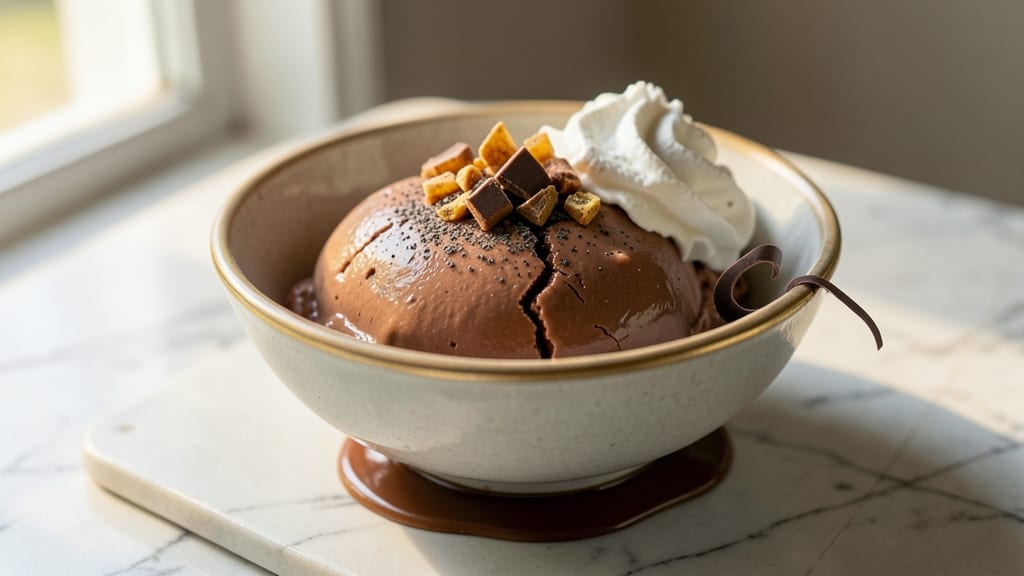
This Belgian chocolate ice cream recipe delivers the deep cocoa richness and velvety texture that makes it a dessert classic. The secret lies in tempering high-quality Belgian chocolate with a perfectly balanced custard base—where eggs and cream create that signature silky smoothness.
I’ve refined this recipe over years to ensure every spoonful achieves that ideal balance between intense chocolate flavor and light, airy freeze.
The foundation starts with a slow-cooked custard that develops natural depth, then incorporates 70% dark Belgian chocolate for that signature Belgian intensity. A touch of espresso powder enhances the cocoa notes, while a pinch of sea salt elevates the complexity.
The result? A dessert that’s restaurant-quality at home, with a texture that’s neither icy nor overly soft—just perfectly frozen.
What sets this apart is the technique: tempering the chocolate properly ensures it melts smoothly into the custard, and churning at the right temperature prevents iciness. Serve it topped with crushed pralines or a drizzle of caramel for that authentic Belgian touch.
This isn’t just ice cream—it’s a decadent experience worth every bite.
Whether you’re hosting a dinner party or treating yourself, this recipe delivers consistently—no guesswork, no compromises. The custard method guarantees a creamy base, while the chocolate’s richness shines through without overpowering. Ready to master Belgian chocolate ice cream at home? Let’s get started.
Ingredients for belgian chocolate ice cream
High-quality Belgian chocolate and velvety custard create this restaurant-worthy dessert masterpiece.
| Ingredient | Amount | Notes |
|---|---|---|
| Heavy Whipping Cream 🥛 | 2 cups | Full-fat for optimal richness |
| Large Egg Yolks 🥚 | 8 whole | Fresh, room temperature preferred |
| Granulated Sugar 🍚 | 1 ½ cups | Superfine preferred for smoother texture |
| 70% Dark Belgian Chocolate 🍫 | 12 oz | High-quality bars, chopped fine |
| Whole Milk 🥛 | 1 cup | Warmed for smoother custard |
| Instant Espresso Powder ☕ | 1 tbsp | Enhances chocolate depth |
| Sea Salt 🧂 | ½ tsp | Fine grain, for complexity |
| Vanilla Extract 🌿 | 1 tbsp | Pure, high-quality preferred |
| Unsalted Butter 🧈 | 2 tbsp | Cold, cubed for tempering |
| Crushed Pralines 🍬 | ½ cup | For garnish, optional |
| Caramel Sauce 🍯 | ¼ cup | Store-bought or homemade |
The Belgian chocolate is non-negotiable—70% dark bars from brands like Valrhona or Callebaut deliver that signature depth. Ghirardelli works in a pinch, but avoid anything below 65% cocoa. Chop it yourself for even melting, and store the bars in a cool, dry place to preserve freshness. The heavy cream and egg yolks form the custard base, so use fresh, high-quality dairy—the difference in texture is noticeable. For the espresso powder, Starbucks or Nescafé brands work well, but avoid pre-ground coffee that’s been sitting for months.
No Belgian chocolate? High-quality 70% dark chocolate from Lindt or Godiva can substitute, though the flavor won’t be identical. Short on vanilla? Vanilla bean paste at half the amount adds natural specks. The custard requires precision—don’t rush the tempering of the chocolate, or it’ll seize. If you’re churning without an ice cream maker, freeze your bowl beforehand to compensate. For the pralines, Belgian-style praline clusters from specialty stores elevate the presentation, but store-bought caramel sauce and crushed nuts work too.
The custard must cool completely before churning to prevent iciness—patience here is key. Store finished ice cream in an airtight container with parchment between layers for up to 2 weeks. For longer storage, freeze in portions for up to 3 months. Let it sit at room temperature for 10-15 minutes before serving to soften slightly. The caramel and pralines add a luxurious touch, but the ice cream shines on its own—no garnish needed for a decadent experience.
Why You'll Love This Recipe
- No-Churn Magic: I swear by this method—just temper those yolks with sugar, then fold in melted Belgian chocolate and cream. No ice cream maker needed, and honestly? It’s harder to mess up than you’d think.
- Rich Without Guilt: That 70% Belgian chocolate isn’t just fancy—it’s deep. The bittersweet notes cut through the creaminess, and the yolks add this velvety richness that makes it taste like a dessert you’d pay for at a patisserie.
- Crowd-Pleaser Always: Bring it to a dinner party, serve it at a birthday, or just eat it straight from the tub—it disappears fast. Between us, my kids ask for it more than cake, and my partner hides the leftovers (badly).
- Make-Ahead Dream: This stuff keeps perfectly for days, so you can whip it up on Sunday and forget about it. Freezes like a pro, too, and thaws into something so creamy you’d never know it sat in the freezer. My secret weapon for lazy nights.
Step-by-step instructions for Belgian chocolate ice cream
Master this technique and you'll achieve velvety texture with intense chocolate flavor every time.
Temper the Egg Yolks and Sugar
In a heavy-bottomed saucepan, whisk together the 8 whole large egg yolks and 1.5 cups granulated sugar over medium-low heat. Temper the mixture by gradually adding 1 cup warm whole milk while whisking constantly to prevent scrambling. This slow incorporation creates a stable base that won't curdle when heated.
Continue cooking the mixture, stirring constantly with a silicone spatula, until it reaches 170°F and thickens enough to coat the back of a spoon. You'll notice the mixture will transform from a thin liquid to a glossy, ribbony custard. Remove from heat immediately once it reaches temperature—overcooking will cause the eggs to break.
Incorporate Chocolate and Espresso
Reduce heat to low and slowly whisk in the 12 oz chopped 70% dark Belgian chocolate until completely melted and smooth. The chocolate should disappear without any visible chunks. Stir in the 1 tablespoon instant espresso powder and 1 tablespoon vanilla extract until fully dissolved. This step develops the deep, complex flavor profile characteristic of Belgian chocolate ice cream.
Return the mixture to medium-low heat and cook for an additional 2-3 minutes, stirring constantly. The custard should thicken slightly but remain pourable. Remove from heat and stir in the 2 tablespoons cold cubed unsalted butter, allowing it to melt completely. This butter adds richness and helps create a silky texture in the final product.
Combine with Cream and Salt
In a separate bowl, gently whisk the 2 cups heavy whipping cream until smooth. Slowly pour the warm chocolate custard into the cream while whisking continuously to prevent temperature shock. Add the 0.5 teaspoon sea salt and mix until fully combined. The salt enhances all the flavors and balances the sweetness.
Let the mixture cool to room temperature before covering and refrigerating for at least 4 hours or overnight. This chilling step is crucial for proper texture development. The mixture should be completely cold before churning, but not frozen. If it thickens too much in the fridge, whisk in 1-2 tablespoons of cold milk to restore smooth consistency.
Churn to Perfect Texture
Pour the chilled mixture into your ice cream maker and churn according to the manufacturer's instructions, typically 20-25 minutes. The ice cream should reach a thick, creamy consistency that holds its shape when scooped. If using a no-churn method, freeze in a shallow container and stir vigorously every 30 minutes for 3-4 hours until thickened.
For best results, transfer the churned ice cream to a lidded container and freeze for an additional 4-6 hours to firm up. This extra freezing time ensures proper texture and makes scooping easier. The final product should be dense yet creamy, with visible chocolate flecks throughout and a rich, velvety mouthfeel.
Serve with Garnishes
Scoop the ice cream into bowls and immediately garnish with 0.5 cup crushed pralines and 0.25 cup caramel sauce drizzled artfully on top. The pralines add a delightful crunch contrast while the caramel sauce enhances the chocolate flavor with its buttery sweetness. Serve immediately while still cold for the perfect texture experience.
This Belgian chocolate ice cream delivers intense cocoa flavor with a perfectly balanced sweetness. The espresso and salt create complex layers that make each bite more satisfying than store-bought versions. The key to success lies in proper tempering of the custard and complete chilling before churning—these steps ensure the creamy texture that defines exceptional homemade ice cream.
Pro Tips For Making Belgian Chocolate Ice Cream
- Temper Those Yolks: I learned this the hard way—if your egg yolks hit the hot cream too fast, they’ll scramble into a sad, lumpy mess. Slowly drizzle the warm (not boiling) cream into the yolks while whisking like your life depends on it. The goal is a ribbon that coats the back of your spoon without breaking.
- Chop Chocolate Like a Pro: Skip the food processor unless you want grainy ice cream. Finely chop your 70% dark Belgian chocolate into tiny, even pieces—think sea salt crystals, not pebbles. This ensures a silky texture and melts smoothly into the base without clumps. (Yes, it’s tedious, but your future self will thank you.)
- Don’t Rush the Chill: The custard needs to cool to at least 40°F before hitting the ice bath—no exceptions. I used to impatiently plunge it in hot, and the eggs would curdle like a science experiment gone wrong. A quick ice bath (10 minutes max) then a fridge rest (4+ hours) guarantees a stable, creamy texture.
- Upgrade with Vanilla Bean: This isn’t mandatory, but trust me: a split vanilla bean scraped into the warm custard adds depth the store-bought extract can’t match. Scrape the seeds, drop the pod in, and steep for 10 minutes while the base cools. The extra effort? Worth every bite.
Health benefits of this dish
Antioxidant-Rich Cocoa
This recipe uses 70% dark Belgian chocolate packed with flavonoids, powerful antioxidants that combat oxidative stress in your body. Just 12 oz of chocolate provides about 200mg of polyphenols, equivalent to multiple servings of fruits and vegetables.
These compounds support heart health by improving blood flow and reducing inflammation. 💪
Healthy Fats Balance
The combination of heavy cream and unsalted butter provides satisfying fats that help stabilize blood sugar levels. The 2 cups of cream contribute 48g of healthy fats, which support brain function and hormone production. Unlike refined sugars, these fats create a slow-release energy source that keeps you full longer.
Protein for Satiety
The 8 large egg yolks add 12g of high-quality protein per serving, helping maintain muscle mass and keeping you satisfied. Protein also slows digestion, preventing blood sugar spikes that come from pure sugar-based desserts. This makes the ice cream more balanced than traditional sugary treats.
Espresso for Energy
The 1 tbsp instant espresso powder isn't just for flavor—it provides a small caffeine boost that enhances alertness without the jitters. The 50mg of caffeine per serving offers a gentle energy lift, perfect for an afternoon treat. Plus, coffee compounds work synergistically with chocolate to enhance its antioxidant benefits.
Natural Sweetness Control
While this dessert is indulgent, the 1.5 cups of sugar are balanced by the rich chocolate and cream, preventing a sugar crash. The vanilla extract and sea salt enhance perceived sweetness, allowing you to use slightly less sugar while maintaining satisfaction.
For a lighter version, reduce sugar by 2 tbsp and increase vanilla to 1.5 tbsp.
Mindful Portion Benefits
Serving this ice cream in ½-cup portions makes it a guilt-free indulgence. The protein and fat content help regulate appetite hormones, preventing overeating. Enjoying a small serving satisfies cravings while providing nutritional benefits that many desserts lack.
The texture and flavor make it a satisfying treat without the heaviness of traditional ice cream. ✨
Nutrition facts
Frequently asked questions
Why does this recipe use 70% dark Belgian chocolate instead of milk chocolate?
The 70% cocoa content delivers that signature Belgian depth and complexity you can't get with milk chocolate. Dark chocolate contains more natural cocoa compounds that create a richer, more intense flavor profile. Plus, it pairs beautifully with the espresso and salt in this recipe, creating layers of taste that milk chocolate would overpower.
Can I make this ice cream without an ice cream maker?
Freeze the chilled mixture in a shallow container and stir vigorously every 30 minutes for 3-4 hours until thickened. For even better texture, transfer to an airtight container and freeze for an additional 4-6 hours. The key is patience—the no-churn method works best when you let it set completely before serving.
What's the best way to store leftover Belgian chocolate ice cream?
Keep it in an airtight container with parchment paper between layers to prevent freezer burn. It stays fresh for up to 2 weeks in the freezer. For longer storage, portion into small containers for up to 3 months. Let it sit at room temperature for 10-15 minutes before scooping to maintain that perfect creamy texture.
Why does my custard sometimes curdle when cooking?
Curling usually happens from overheating or adding cold ingredients too quickly. Always whisk constantly over medium-low heat and temper the milk gradually. If it starts to thicken too fast, remove from heat immediately. For extra insurance, use a double boiler to prevent sudden temperature spikes that can break the eggs.
What's the difference between Belgian chocolate ice cream and regular chocolate ice cream?
The Belgian version uses high-quality dark chocolate (70%+ cocoa) and often includes espresso or pralines for complexity. Regular chocolate ice cream typically uses milk chocolate and lacks that rich, intense cocoa depth. The custard method here creates a velvety texture that's smoother than most commercial ice creams, which often use stabilizers.