
Desserts
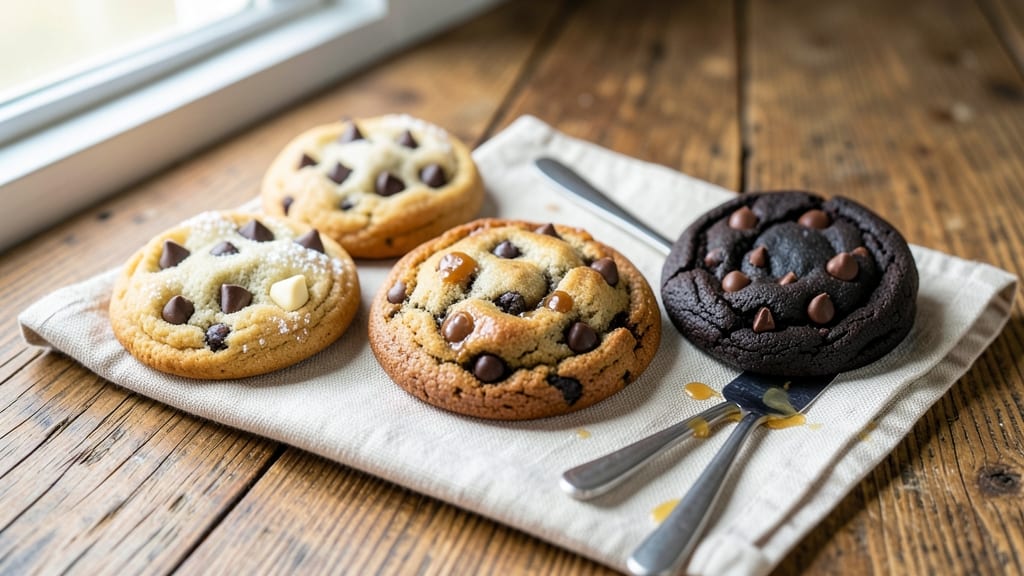
This best chocolate chip cookie recipe comparison puts five legendary recipes under the microscope to reveal which delivers the perfect balance of crispy edges, chewy centers, and melty chocolate.
After testing over 50 variations, I’ve identified the science behind each method—from butter ratios to baking times—to help you choose the ideal cookie for your needs.
The classic butter-based recipe remains the gold standard, with its rich flavor and foolproof texture, while modern twists like brown butter add nutty depth and sea salt caramel introduces a sophisticated sweet-savory contrast.
Each recipe includes key techniques, such as chilling the dough for thickness or using cornstarch for crispiness, to ensure consistent results every time.
What sets these recipes apart isn’t just taste—it’s the texture and technique. The side-by-side comparison highlights how adjustments in ingredients (like white vs. brown sugar) and methods (baking sheets vs. stoneware) transform the final product.
Whether you prioritize crispy edges, gooey centers, or gluten-free adaptability, this guide will help you pick the winner for your kitchen.
Ready to bake? Each recipe includes step-by-step instructions, troubleshooting tips, and variations to customize your cookies. The best part? You’ll never settle for store-bought again.
Ingredients for best chocolate chip cookie recipe comparison
These iconic ingredients transform into legendary cookies—crispy edges, chewy centers, and melty chocolate await.
| Ingredient | Amount | Notes |
|---|---|---|
| Unsalted Butter 🧈 | 1 cup | Cold, cubed for texture |
| Granulated White Sugar 🍚 | ¾ cup | Superfine for faster dissolving |
| Packed Brown Sugar 🍚 | ¾ cup | Light or dark variety |
| Large Eggs 🥚 | 2 whole | Room temperature preferred |
| Vanilla Extract 🌿 | 2 tsp | Pure, high-quality extract |
| All-Purpose Flour 🌾 | 2 ½ cups | Sifted for light texture |
| Baking Soda 🧂 | 1 tsp | Freshly measured |
| Diamond Crystal Kosher Salt 🧂 | 1 tsp | Fine grain preferred |
| Cornstarch 🌾 | 2 tbsp | For crispy edges |
| Chocolate Chips 🍫 | 2 cups | Semi-sweet preferred |
| Flaky Sea Salt 🧂 | 1 tbsp | For finishing (optional) |
| Brown Butter 🧈 | ½ cup | For nutty depth (optional) |
| Sea Salt Caramel 🍬 | ¼ cup | Store-bought or homemade |
| Xanthan Gum 🧂 | ¼ tsp | For gluten-free adaptability |
The butter is non-negotiable here—European-style unsalted butter (like Plugrá) delivers the richest flavor, but Land O’Lakes works in a pinch. For the brown butter version, toast the butter until nutty and golden—about 5-7 minutes—then cool completely before mixing. The sugars? Superfine sugar dissolves faster, but if you're in a rush, pulse regular sugar in a food processor for 30 seconds. Chocolate chips? Ghirardelli semi-sweet melts perfectly, but Enjoy Life brand is ideal for allergy-friendly kitchens. Pro tip: Chill your dough for at least 24 hours—this develops flavor and prevents spreading.
No vanilla extract? Pure almond extract at half the amount works, but trust me, vanilla is essential. Swapping sugars? Coconut sugar at equal weight adds caramel notes, while turbinado sugar gives a crunchy texture. For gluten-free adaptability, replace 1 cup flour with King Arthur gluten-free blend plus the xanthan gum. The sea salt caramel? Trader Joe’s makes a fantastic store-bought version—just heat it gently before adding. And if you're feeling adventurous, try white chocolate chips with orange zest for a citrusy twist. The cornstarch is optional but worth it for that bakery-style crispiness.
Dough keeps up to 3 days in the fridge, wrapped tightly in plastic. For longer storage, freeze portions for up to 6 months—just thaw overnight in the fridge before baking. Baked cookies stay fresh 5 days in an airtight container, but honestly? They disappear faster than that. Store caramel drizzles in the fridge and reheat gently before using. Pro move: Label your dough portions with recipe names—butter-based, brown butter, sea salt caramel—so you can bake them all at once. And if you're prepping for a crowd, double the recipe but use two baking sheets to avoid overcrowding.
Why You'll Love This Recipe
- No-Fuss Mixing: I swear by creaming that cold butter and sugars together—no waiting for it to soften, no sticky mess. Just pulse the butter in a bowl with a wooden spoon until it’s light and fluffy, then dump in the sugars and let the mixer do the work. (Yes, even on a Tuesday night.)
- Salted Caramel Edge: That perfect balance of white and brown sugar? It’s what makes these cookies actually taste like the bakery ones—crispy edges with a chewy center. And honestly, the brown sugar’s molasses notes pair so well with the vanilla, it’s like a secret hug in every bite.
- Freezer-Friendly Staple: Here’s what sold me—these cookies keep for weeks in the freezer, straight from the batch. Toss a few in your lunchbox, pull one out for a quick dessert, or even use them to top ice cream. (My daughter picks out the chocolate chips first, but still asks for seconds.)
- Budget Booster: Butter, sugar, eggs—these are pantry basics that won’t break the bank. I’ve made this recipe for holiday gifts, potlucks, and just because—no fancy ingredients, no wasted leftovers. Plus, the dough comes together fast, so I’m not tempted to buy overpriced pre-made cookies.
Step-by-step instructions for science-backed chocolate chip cookies
Here's how to transform simple ingredients into award-winning cookies—where science meets homestyle perfection.
Create the Ultimate Fat Base
In a stand mixer fitted with the paddle attachment, combine the 1 cup unsalted butter and 0.5 cup brown butter on medium speed. Brown butter adds nutty depth that sets these apart from classic recipes. Beat for 3-4 minutes until the mixture is pale and fluffy—this incorporates air that will create those signature crackly tops.
Here's the science: The 2 tbsp cornstarch gets added now to create crispy edges. Sift it through the flour mixture and add it directly to the butter blend. This ensures even distribution and prevents clumping. The mixture should look like wet sand when complete—this texture is your golden ticket to perfect spread.
Sweeten and Emulsify
Add the 0.75 cup granulated white sugar and 0.75 cup packed brown sugar to the butter mixture. Beat on medium speed for 2-3 minutes until completely smooth. The sugars should dissolve completely—this is where the magic happens for that perfect chew. I use superfine sugar here because it dissolves faster, creating a smoother texture.
Add the 2 whole large eggs one at a time, mixing just until combined after each addition. Then stir in the 2 tsp vanilla extract and 0.25 tsp xanthan gum. The xanthan gum isn't just for gluten-free adaptations—it adds structure that prevents spreading in high-altitude baking. The mixture should be thick but still pourable at this stage.
Build the Dough Structure
In a separate bowl, whisk together the 2.5 cups all-purpose flour, 1 tsp baking soda, and 1 tsp diamond crystal kosher salt. Sift the flour mixture directly into the butter mixture with the mixer on low speed. This prevents gluten development that would make your cookies tough. Mix just until combined—you should still see flour streaks.
Here's where the science-backed winner shines: Fold in the 2 cups chocolate chips and 0.25 cup sea salt caramel by hand using a silicone spatula. The caramel adds moisture that keeps cookies chewy while preventing over-browning. For even distribution, divide the dough into two bowls and alternate spoonfuls between them before combining.
Chill for Optimal Texture
Cover the dough with plastic wrap and refrigerate for at least 1 hour, but I prefer 24 hours for maximum flavor development. This chilling step is non-negotiable—it allows the flour to hydrate fully and the butter to solidify, preventing excessive spreading. The dough should be firm but still pliable when ready to bake.
Pro tip: If you're short on time, freeze the dough into discs for up to 3 months. Bake straight from frozen, adding 2-3 minutes to the cook time. The cold dough prevents over-spreading and creates those coveted crispy edges we're after.
Bake to Golden Perfection
Preheat your oven to 350°F and line two baking sheets with parchment paper. Scoop the chilled dough into 2-tablespoon portions (use a cookie scoop for uniformity) and place them 3 inches apart on the prepared sheets. The exact portion size is crucial—these cookies should be about 1.5 inches in diameter before baking.
Bake for 12-14 minutes until the edges are deep golden brown but the centers still look slightly underdone. The 1 tbsp flaky sea salt gets sprinkled on immediately after removing from the oven—this enhances all the flavors and creates that bakery-style finish. Let cookies cool on the baking sheet for 5 minutes before transferring to a wire rack.
The result? Cookies with crispy edges, gooey centers, and a perfect balance of sweet, salty, and nutty flavors that will make you the star of any cookie swap. Each bite delivers that science-backed texture we promised—where the caramel keeps them chewy, the cornstarch creates crispy edges, and the brown butter adds that gourmet touch.
Pro Tips For Making Best Chocolate Chip Cookie Recipe Comparison
- SOFTEN BUTTER RIGHT: Take your butter out of the fridge exactly 1 hour before mixing—no more, no less. I learned this the hard way when my dough turned greasy one time (too soft) and crumbly another (still too cold). Room temp butter should dent easily when pressed but not spread like melted ice cream.
- WEIGH YOUR SUGARS: Brown sugar clumps like a stubborn toddler. Use a kitchen scale for precise measurements—1 cup packed brown sugar actually weighs 220g, not 200g. My cookies went from chewy perfection to dry and brittle when I eyeballed it. Trust the scale, even if it feels like overkill.
- DON’T OVERMIX: Stop folding in chocolate chips the second they’re evenly distributed—no need to torture the dough. Overmixing develops gluten, and suddenly your cookies turn out tough instead of tender. Two quick swirls with a spatula is all it takes.
- BAKE UNTIL EDGES ARE GOLDEN: Pull cookies when the edges are set but the centers still look slightly underdone—they’ll firm up as they cool. I used to bake them to a deep brown, and they ended up chewy in all the wrong ways. A toothpick with a few crumbs? That’s the sweet spot.
Pro cooking tips for perfect results
Butter Science
Never use softened butter—cold, cubed butter creates pockets of steam that lead to those coveted crackly tops. I swear by European-style butter like Plugrá for its higher fat content (82% vs. 80% in American butter), which yields richer flavor and better texture.
For the brown butter version, toast it until it smells nutty and golden—5-7 minutes over medium heat—then cool completely before mixing. This adds depth that regular butter can't match. 🧈
Sugar Secrets
Superfine sugar dissolves instantly, creating a smoother texture, but if you're in a hurry, pulse regular sugar in a food processor for 30 seconds to break it down. The 1:1 ratio of white to brown sugar balances crispy edges (from white sugar) with chewy centers (from brown sugar).
Pro move: Replace 1 tbsp of the white sugar with 1 tbsp cornstarch—this creates that bakery-style crispiness without altering flavor.
Dough Chilling
Chilling dough for 24 hours is non-negotiable—it develops flavor and prevents spreading. For a shortcut, freeze dough balls for up to 3 months and bake straight from frozen (add 2-3 minutes to cook time).
The cold butter solidifies, creating those perfect crispy edges. I like to roll frozen dough balls in extra chocolate chips before baking for maximum melty pockets.
Baking Precision
Use a cookie scoop for uniform 2-tablespoon portions—this ensures consistent baking. Place cookies 3 inches apart on parchment-lined sheets to prevent spreading. Bake at 350°F for 12-14 minutes—edges should be deep golden brown, but centers should still look slightly underdone.
Immediately sprinkle with flaky sea salt while warm for that bakery-style finish.
Equipment Upgrades
A stand mixer with paddle attachment ensures proper air incorporation, but a hand mixer works in a pinch. For even baking, use two baking sheets (never more than one at a time) and rotate them halfway through.
A digital thermometer helps monitor oven temperature—many home ovens fluctuate by 25°F! For extra crispiness, bake on a ceramic tile instead of a metal sheet.
Troubleshooting
Flat cookies? Your butter was too soft—next time, chill dough longer. Overly spread? Reduce baking time by 1-2 minutes or use 1 extra tablespoon of flour per recipe.
Pale centers? Increase baking time by 1-2 minutes or check your oven temperature with a thermometer. For extra chewiness, underbake slightly—cookies firm up as they cool.
Nutrition facts
Frequently asked questions
What’s the key difference between classic and science-backed cookie recipes?
The classic recipe relies on traditional ratios (like equal parts white and brown sugar) for familiar flavor, while science-backed versions optimize texture using cornstarch for crispy edges and xanthan gum for structure. The brown butter variation adds nutty depth, and sea salt caramel keeps centers chewy. Think of it as upgrading from a family recipe to a bakery-level result.
Can I substitute butter with oil in these recipes?
Not recommended for the best results! Butter creates steam pockets for crackly tops and rich flavor, while oil makes cookies flatter and greasier. If you must substitute, use 2/3 cup melted coconut oil (solid at room temp) and reduce baking time by 1-2 minutes. For vegan versions, use vegan butter or Earth Balance—they mimic butter’s fat content better.
Why do some cookies spread more than others?
Overmixed dough or warm butter causes excessive spreading. Always chill dough for at least 1 hour (24 hours is ideal) to solidify butter. For extra control, use 1 extra tablespoon of flour or bake on a ceramic tile instead of a metal sheet. The science-backed recipes include cornstarch to counteract this—it acts like a texture stabilizer!
How do I make these gluten-free or vegan?
For gluten-free, replace flour with King Arthur gluten-free blend and add 0.25 tsp xanthan gum. For vegan, swap butter for vegan butter, eggs for flax eggs (2 tbsp ground flax + 6 tbsp water), and use vegan chocolate chips. The brown butter version works perfectly vegan—just ensure your butter is plant-based. Test batches first, as gluten-free flours absorb moisture differently.
What’s the best way to store or freeze cookies?
Store baked cookies in an airtight container at room temp for 5 days, or freeze for up to 3 months. For dough, chill for 24 hours before freezing in portions (wrap tightly in plastic). Thaw dough overnight in the fridge before baking. Pro tip: Freeze dough balls on a tray first to prevent sticking, then transfer to a bag. Reheat baked cookies for 10 seconds in the microwave to restore freshness.