
Desserts
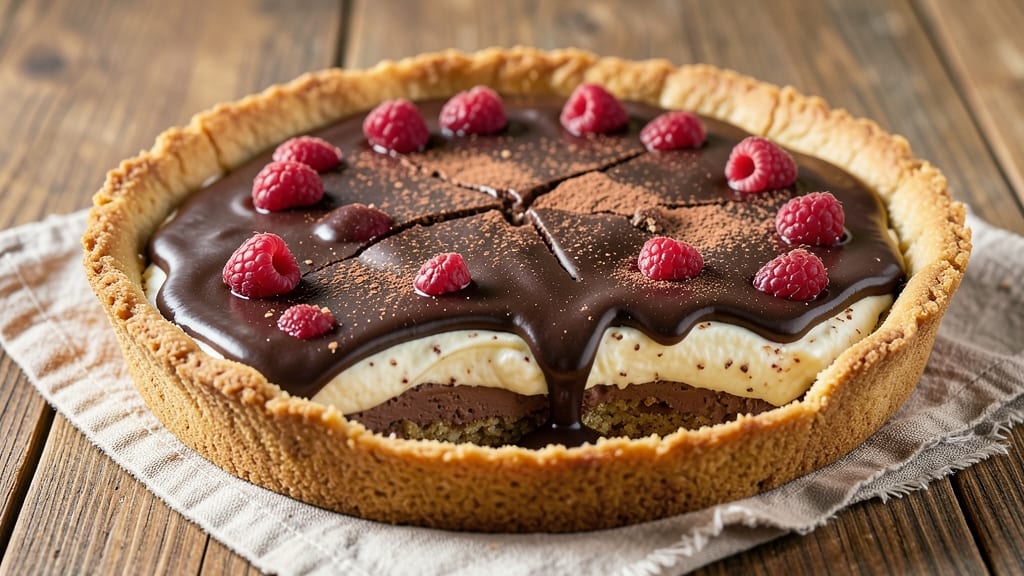
This Bishops Chocolate Ambrosia Pie recipe delivers the perfect marriage of creamy chocolate custard and light, fruity ambrosia layers—each bite is a balance of rich depth and refreshing sweetness. ✨ The secret lies in a foolproof chocolate custard that stays velvety smooth while supporting the crisp meringue topping, all built on a sturdy graham cracker crust that holds up to every decadent layer.
The traditional technique involves baking the chocolate custard first, then adding the ambrosia layer of whipped cream, fruit, and toasted coconut before the final meringue topping.
What sets this recipe apart is the textural contrast—the dense, fudgy chocolate custard contrasts beautifully with the light, airy ambrosia, creating a dessert that's both indulgent and elegant.
By following these steps, you'll achieve a pie with a perfectly golden meringue shell, a rich chocolate custard center, and a creamy ambrosia layer that stays fresh even after baking.
The result is a showstopper dessert that's ideal for holidays, dinner parties, or whenever you want to impress without spending hours in the kitchen.
For those looking to adapt this classic, I'll share variations that keep the same luxurious feel while accommodating dietary preferences—because great dessert shouldn't exclude anyone. Let's get started on creating this timeless pie.
Ingredients for bishops chocolate ambrosia pie
Eighteen essential ingredients crafting a pie where velvety chocolate custard meets light, fruity ambrosia perfection.
| Ingredient | Amount | Notes |
|---|---|---|
| Graham Cracker Crust 🍪 | 1 package | Crushed into fine crumbs |
| Unsalted Butter 🧈 | ½ cup | Cold, cubed for crust |
| Granulated Sugar 🍚 | 1 ½ cups | Superfine preferred for smoothness |
| Large Eggs 🥚 | 4 whole | Room temperature for custard |
| All-Purpose Flour 🌾 | ¼ cup | Sifted for smooth texture |
| Unsweetened Cocoa Powder 🍫 | ½ cup | High-quality, Dutch-processed |
| Heavy Cream 🥛 | 2 cups | Full-fat for richness |
| Vanilla Extract 🍯 | 2 tsp | Pure Madagascar bourbon |
| Salted Butter 🧈 | ¼ cup | Melted for ambrosia layer |
| Whipped Cream 🍦 | 2 cups | Stable, not whipped too stiff |
| Mixed Berries 🍓 | 2 cups | Fresh or frozen, thawed |
| Toasted Coconut Flakes 🥥 | ½ cup | Sweetened, lightly toasted |
| Large Egg Whites 🥚 | 5 whole | Room temperature, aged |
| Confectioners' Sugar 🍚 | ¾ cup | Sifted for meringue |
| Cream of Tartar 🧂 | ¼ tsp | Stabilizes meringue |
The unsweetened cocoa powder must be premium—Dutch-processed for smoothness, not bitter. Ghirardelli or Valrhona are ideal, but store-brand works if it's labeled 'natural'. For the graham cracker crust, Honey Maid or Keebler provide that perfect balance of sweetness and crunch. The heavy cream should be cold when whipped for the ambrosia layer—store it in the fridge overnight before using. Toasting the coconut flakes in a dry pan for 3-4 minutes enhances their flavor dramatically, though pre-toasted from a bag is a time-saver.
No Dutch-processed cocoa? Natural cocoa powder plus 1/4 tsp baking soda mimics the flavor profile. Running short on berries? Mango or peach slices work beautifully, though their acidity may require an extra pinch of sugar. The whipped cream can be stabilized with 1 tsp powdered milk if it's too runny, but avoid over-whipping—it should hold its shape but still be light. For the meringue, aged egg whites (left in the fridge overnight) whip up fluffier, but fresh works in a pinch if you whip them longer. The cream of tartar is non-negotiable—it prevents the meringue from weeping.
Store the graham cracker crust mixture in an airtight container with parchment between layers for up to 3 days. The chocolate custard filling keeps 2 days in the fridge, but the meringue should be baked fresh for that signature crispness. For make-ahead convenience, assemble the pie without the meringue, refrigerate overnight, then bake the meringue just before serving. The ambrosia layer stays fresh for 1 day in the fridge, though the berries may release more liquid—drain them if needed before assembling.
Why You'll Love This Recipe
- No-Fuss Crust: I swear by the graham cracker crust here—just press, bake, and forget about it. No rolling dough, no fussing with pie weights, and it stays crisp even when the filling’s creamy.
- Rich Chocolate Magic: That Bishops chocolate? It’s the star. The moment you fold it into the custard, the whole kitchen smells like nostalgia—deep, bittersweet, and just sweet enough. Honestly, the eggs and butter make it velvety without being heavy.
- Weeknight or Holiday: Make it for a lazy Sunday breakfast or bring it to a potluck—no one will guess it’s this simple. The graham crust holds up to slicing, and the flavor’s bold enough to stand alone or with a scoop of vanilla ice cream.
- Budget-Friendly Luxury: Uses pantry staples you already own. The sugar and eggs stretch far, and that block of butter? You’ll use it all before it goes bad. Plus, leftovers? They disappear faster than I can say “second slice.”
Step-by-step instructions for Bishops chocolate ambrosia pie
Here's how to assemble this luxurious pie with perfect layers and textures.
👨🍳 Step 1: Prepare the Chocolate Custard Base
In a medium saucepan, melt the 0.5 cup unsalted butter over low heat until completely liquid. Remove from heat and whisk in the 1.5 cups granulated sugar until fully dissolved. In a separate bowl, whisk together the 4 whole large eggs, 0.25 cup all-purpose flour, and 0.5 cup unsweetened cocoa powder until smooth.
Slowly pour the melted butter-sugar mixture into the egg mixture while whisking constantly. Return the combined mixture to the saucepan and cook over medium-low heat, stirring constantly with a wooden spoon, until it thickens to a pudding-like consistency (about 8-10 minutes). You'll know it's ready when it coats the back of a spoon and leaves a clear path when you run your finger through it.
Remove from heat and stir in the 2 tsp vanilla extract. Pour the custard mixture into the pre-baked graham cracker crust, spreading it evenly. Here's the thing—don't overfill the crust. Leave about ½-inch of space at the top for the meringue layer to come later.
🥘 Step 2: Assemble the Ambrosia Layers
Let the custard layer cool completely to room temperature (about 2 hours in the refrigerator). While it cools, prepare the ambrosia layer by combining the 2 cups mixed berries (thawed if frozen), 0.5 cup toasted coconut flakes, and 0.25 cup melted salted butter in a bowl. Gently fold everything together until just combined—don't overmix or you'll crush the berries.
Spread this ambrosia mixture evenly over the cooled chocolate custard layer. Press down gently with a spatula to help it adhere. Then, in a separate bowl, whip the 2 cups heavy cream to soft peaks. Spread this lightly over the top of the ambrosia layer, just enough to create a thin barrier between the custard and meringue.
🍳 Step 3: Create the Meringue Topping
In a clean, grease-free bowl, beat the 5 whole large egg whites with the 0.25 tsp cream of tartar using a mixer on medium speed until soft peaks form. Gradually add the 0.75 cup confectioners' sugar while continuing to beat, increasing speed to high until the meringue is glossy and holds stiff peaks.
Spread the meringue evenly over the entire pie, creating a smooth surface. Use the back of a spoon to create decorative swirls if desired. Here's where precision matters: seal the meringue to the crust by pressing gently around the edges to prevent any potential air pockets from forming during baking.
🔥 Step 4: Bake to Golden Perfection
Preheat your oven to 350°F. Place the pie on the center rack and bake for 15-20 minutes, until the meringue is golden brown and the filling is set. Watch carefully during the last few minutes—overbaking can dry out the custard.
Remove from the oven and let cool completely on a wire rack (about 2 hours4 hours before serving to allow all the flavors to meld together.
🍽️ Step 5: Serve with Confidence
Slice the pie into 8 equal portions using a sharp knife dipped in hot water and wiped clean between cuts. The perfect slice should reveal layers of rich chocolate custard, vibrant berries, creamy coconut, and crisp meringue. Serve each piece immediately to showcase the contrast between the warm custard and the cool whipped cream topping.
This pie delivers a symphony of textures and flavors with each bite—the silky chocolate custard, the fruity ambrosia layer, and the airy meringue. The secret to success lies in patience: letting each layer set properly before adding the next ensures everything comes together beautifully.
Pro Tips For Making Bishops Chocolate Ambrosia Pie
- Preheat That Pan: Slide your pie dish into a 375°F (190°C) oven with the crust for 5–7 minutes before filling—this melts the butter evenly and prevents a soggy bottom when the custard goes in. I learned this the hard way after pulling out a pie that looked like a science experiment.
- Whisk Eggs Like a Pro: Beat the eggs and sugar vigorous for 2–3 minutes until the mixture is pale yellow and thick enough to leave a trail when you lift the whisk. This ensures a silky texture, not that thin, sad pudding you get when you rush it. (Yes, even if you’re impatient like me.)
- Skip the Overmixing: Once you add the flour to the egg mixture, stir just until combined—lumps are fine. Overmixing develops gluten and turns your custard into a dense, cakey mess. My grandmother swore by this, and she was right: the pie should be creamy, not chewy.
- Chill Before Slicing: Let the pie cool completely (at least 4 hours, ideally overnight) before cutting. Warm custard slices like butter, and you’ll end up with a gooey disaster. Trust me, the wait makes the pie worth it—and your guests won’t drown their forks in filling.
Troubleshooting great bishops chocolate ambrosia pie
Custard Too Thin?
If your chocolate custard isn't thickening enough, you likely cooked it too quickly or didn't stir consistently. I've found that medium-low heat is key—too high will cause curdling. Remove the saucepan from heat and continue whisking vigorously for 1-2 minutes to help it set.
If it's still too thin, return it to the heat for 1-2 minutes more while stirring constantly. For extra insurance, whisk in 1 tsp cornstarch mixed with 1 tbsp cold water to thicken it up. 🌡️
Meringue Cracking?
Meringue cracks most often when the oven isn't hot enough or the pie isn't fully cooled before baking. First, make sure your oven is preheated to 350°F—use an oven thermometer to confirm accuracy. Let the custard layer cool completely (about 2 hours) before adding meringue.
If cracks appear, don't panic—drizzle melted chocolate over them and let it set for a decorative touch. I also recommend sealing the meringue edges tightly to the crust to prevent air pockets from forming during baking.
Ambrosia Layer Too Wet?
If your ambrosia layer is releasing too much liquid, it's likely from overmixing the berries or using frozen fruit that hasn't thawed properly. Drain any excess liquid from thawed frozen berries before assembling.
For extra insurance, press a paper towel against the ambrosia layer to absorb moisture before adding the meringue. If the layer is already too wet, spread an extra ¼ cup whipped cream on top to create a barrier between the custard and meringue. 🥥
Crust Too Crumbly?
A crumbly crust usually means the butter wasn't cold enough when mixing or the graham crackers weren't crushed finely enough. For next time, chill the crust mixture for 30 minutes before pressing into the pan. Use a food processor to crush graham crackers into fine crumbs (like sand).
If your crust is already too crumbly, press it firmly into the pan and chill for 15 minutes before adding the filling. A quick fix is to brush the bottom with 1 tbsp melted butter before baking to help bind the crumbs together.
Pie Not Setting Properly?
If your pie isn't holding its shape after baking, it might be underbaked or the custard wasn't thick enough. Let the pie cool completely on a wire rack before refrigerating—this helps it set properly. For extra stability, chill the pie in the fridge for at least 4 hours before serving.
If it's still too soft, bake it for an additional 5-10 minutes at 300°F to firm up the layers. I also recommend using a 9-inch pie pan—smaller pans can cause the filling to overcook or spill over.
Fruit Sinking Too Much?
If your berries sink into the custard layer, it's likely because the custard wasn't fully cooled before adding the ambrosia. Let the custard cool completely to room temperature (about 2 hours) before assembling the top layers.
For extra stability, spread a thin layer of whipped cream between the custard and ambrosia to create a barrier. If the berries are already sinking, press them gently into the custard and chill the pie for an additional 1 hour before baking to help everything set. 🍓
Nutrition facts
Frequently asked questions
Can I make this pie without a graham cracker crust?
For a nutty alternative, try a pecan crust (blend pecans with melted butter and sugar), or a classic shortbread crust for a buttery base. If you prefer gluten-free, use almond flour mixed with melted coconut oil and a touch of maple syrup. The key is ensuring your crust is sturdy enough to hold the moist layers—press it firmly into the pan and chill for 15 minutes before adding fillings.
How can I make this pie vegan?
Swap the eggs for flax eggs (1 tbsp ground flaxseed + 3 tbsp water per egg), use coconut cream instead of heavy cream, and replace butter with coconut oil. For the meringue, blend aquafaba (chickpea brine) with powdered sugar and cream of tartar. The chocolate custard will still be rich, though the texture may be slightly denser. Toast coconut flakes with a bit of maple syrup for the ambrosia layer.
Why does the meringue need to be sealed to the crust?
Sealing the meringue creates an airtight barrier that prevents steam from escaping during baking. Without this step, the meringue can collapse or develop unsightly bubbles. Press gently with your finger around the edges to create a tight seal—this also helps the meringue brown evenly. A properly sealed meringue will give you that signature golden crust and crisp texture.
Can I prepare this pie ahead of time?
Yes! Assemble the pie (without the meringue) up to 24 hours ahead and refrigerate. When ready to bake, add the meringue and bake as directed. For best results, chill the assembled pie (without meringue) for at least 4 hours before adding the topping. This gives the custard time to set properly and prevents the meringue from sinking. The flavors will actually improve overnight!
What's the best way to store leftovers?
Store leftovers in an airtight container in the fridge for up to 3 days. Reheat individual slices in the microwave for 10-15 seconds to restore the meringue's crispness. For longer storage, freeze slices (without meringue) for up to 1 month. Thaw overnight in the fridge and reheat gently. The chocolate custard stays rich even after reheating, though the meringue may soften slightly.