
Sauces & Condiments
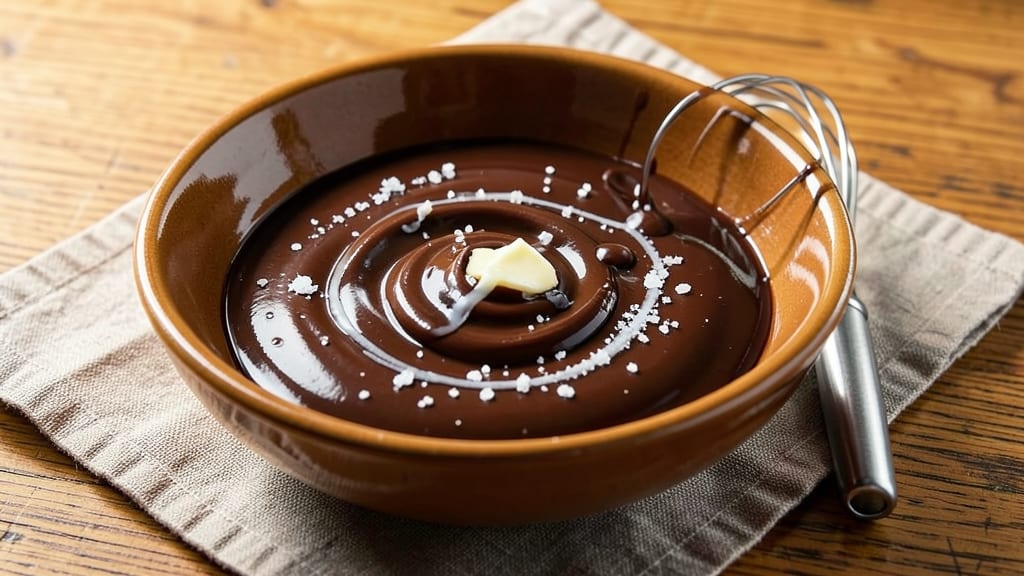
This bitter chocolate sauce recipe unlocks the deep, complex flavors of high-cocoa chocolate in just 10 minutes. The secret lies in balancing rich, dark chocolate (70% cocoa or higher) with a touch of acidity—whether vinegar or lemon—to cut through the intensity while preserving that signature bitterness.
What sets this sauce apart is its versatility: drizzle it over fruit salads, fold into whipped cream, or pair it with sharp cheeses like aged gouda for a sophisticated contrast.
The process is straightforward but precise: melt the chocolate gently over a double boiler, then whisk in warm cream and a splash of acid to create a smooth, velvety sauce with just the right balance of bitterness and smoothness.
The key is patience—letting the sauce cool slightly before using ensures it sets properly on desserts or pairs beautifully with savory dishes. This isn’t your average chocolate sauce; it’s a bold, intense condiment that elevates everything it touches.
What you’ll end up with is a sauce so rich and complex it feels like a restaurant-quality secret—thick enough to coat but light enough to drizzle without clumping. The bitterness lingers just enough to intrigue, while the creaminess keeps it approachable.
Store it in the fridge for up to a week, or freeze it in small portions for quick use. This is the kind of sauce that turns simple treats into something extraordinary.
Use it to transform dark chocolate desserts, enhance the bitterness in fruit pairings, or even add depth to savory dishes like roasted meats or cheese boards. The possibilities are endless, but the technique remains simple: melt, emulsify, and balance. Let’s make this sauce—your taste buds will thank you.
Ingredients for bitter chocolate sauce
Seven ingredients. One bold sauce. Transform your chocolate game forever.
| Ingredient | Amount | Notes |
|---|---|---|
| Dark Chocolate (70% Cocoa or Higher) 🍫 | 8 oz | High-quality, finely chopped |
| Heavy Cream 🥛 | 1 cup | Full-fat for richness |
| Unsalted Butter 🧈 | 2 tbsp | Cold, cubed for melting |
| White Vinegar 🍋 | 1 tsp | Or lemon juice for brightness |
| Granulated Sugar 🍚 | 1 tbsp | Balances bitterness |
| Pinch of Salt 🧂 | ¼ tsp | Enhances chocolate flavor |
| Vanilla Extract 🌿 | ½ tsp | Pure vanilla preferred |
The chocolate is non-negotiable here—70% cocoa or higher is the magic threshold for that signature bitter depth. Valrhona or Lindt are my go-tos, but any high-quality bar works. Chop it finely before melting to avoid clumps, and for heaven's sake, don't use microwave—double boiler only. The heavy cream should be cold when you add it to the melted chocolate to prevent graininess. I always grab Organic Valley heavy cream from the store—it's consistently rich without being overly sweet.
No white vinegar? Lemon juice or apple cider vinegar work just as well—just use the same amount. Want it sweeter? Swap the sugar for maple syrup (reduce by half). The vanilla extract can be omitted if you're strict about keeping it bitter, but trust me, a half teaspoon rounds out the intensity beautifully. If you're feeling fancy, add a pinch of espresso powder to deepen the chocolate notes. And for the love of chocolate, don't skip the salt—it's what makes the bitterness sing.
This sauce thickens as it cools, so plan to use it warm or reheat gently in 10-second bursts in the microwave. Keeps 1 week in the fridge, sealed tight, or 3 months frozen in ice cube trays for perfect single-serving portions. I always make a double batch—one for immediate use and one to stash in the freezer for when chocolate cravings strike unexpectedly.
Why You'll Love This Recipe
- Fewer Ingredients, Bigger Impact: I swear by this—just five pantry staples, no fancy gadgets. The vinegar’s the secret: it cuts through the bitterness while keeping the sauce silky, and I’m always shocked at how much richer it tastes than store-bought.
- Deep, Unapologetic Richness: That 70% cocoa bar isn’t just dark—it’s intense. The cream and butter melt into it like butter on warm toast, but here’s the kicker: the vinegar (yes, really) sharpens the flavor so it’s complex, not just sweet. Drizzle it over ice cream, and you’ll forget all about those cloying candy sauces.
- Weeknight Magic for Desserts: I make this when I’m too tired to bake but still want something special. A spoonful over pancakes? Done. Tossed into whipped cream for a last-minute date night? Also done. Even my picky teen doesn’t complain—though he’ll always ask for more.
- Lasts All Week (Seriously): Between us, I’ve had this sauce sit in the fridge for five days and still taste like I made it fresh. The sugar keeps it from separating, and the butter gives it that velvety mouthfeel every time. Plus, it’s cheaper than buying individual chocolate sauces—just melt, stir, repeat.
Step-by-step instructions for deep dark cocoa intensity
This sauce delivers intense chocolate flavor with just a few precise steps—no tricks, just technique.
Melt Chocolate and Butter Together
Place the 8 oz dark chocolate (70% cocoa or higher) and 2 tbsp unsalted butter in a heavy-bottomed saucepan over low heat. I use a stainless steel pan because it conducts heat evenly without scorching. Stir gently with a silicone spatula, breaking up any large chocolate chunks as they begin to melt.
Watch closely as the chocolate softens—it should melt smoothly without burning. If you see any dark spots forming, immediately reduce the heat to the lowest setting or remove the pan from heat for 30 seconds to let it cool slightly. The goal is a completely melted, glossy chocolate mixture that coats the back of a spoon.
Add Cream and Sugar
Once the chocolate is fully melted, remove the pan from heat and let it cool for 1 minute to prevent the cream from curdling. Slowly pour in the 1 cup heavy cream while whisking continuously to prevent lumps from forming. Return the pan to low heat and stir constantly until the mixture begins to simmer gently.
Add the 1 tbsp granulated sugar and 0.25 tsp pinch of salt to the simmering mixture. The sugar helps balance the bitterness of the dark chocolate, while the salt enhances its depth. Stir for 2-3 minutes until the sauce thickens slightly and coats the spatula. This is where the magic happens—the cream reduces, intensifying the chocolate flavor.
Finish with Vinegar and Vanilla
Remove the pan from heat and stir in the 1 tsp white vinegar and 0.5 tsp vanilla extract. The vinegar brightens the sauce, cutting through the richness of the chocolate and cream. The vanilla adds warmth and complexity. Let the sauce sit off the heat for 1 minute to allow the flavors to meld.
Taste the sauce and adjust the sweetness if needed—add a pinch more sugar if it's too bitter, or a splash more cream if it's too thick. The sauce should be smooth, glossy, and intensely chocolatey with a bright, balanced finish. If it thickens too much as it cools, whisk in 1-2 tbsp hot water or cream to reach your desired consistency.
Cool and Serve
Transfer the sauce to a heatproof bowl and let it cool to room temperature, stirring occasionally to prevent a skin from forming. This step is crucial—it allows the flavors to fully develop and the sauce to thicken naturally. Once cooled, the sauce should be thick enough to coat the back of a spoon but still pourable.
Serve the sauce immediately over ice cream, cake, or fruit for the best experience. If storing, keep it refrigerated in an airtight container for up to 5 days. To reheat, warm gently over low heat, stirring frequently, until smooth. Avoid boiling to prevent the sauce from separating.
Pro Tips For Making Bitter Chocolate Sauce
- CHOP THE CHOCOLATE: Use a sharp knife and work in batches—don’t just hack it into random bits. The goal is even, ½-inch chunks so they melt uniformly. I learned this the hard way when my sauce turned grainy because some pieces were too big and others dissolved too fast.
- TEMPER THE CREAM: Warm the heavy cream to just under a simmer—about 160°F—before adding it to the chocolate. Cold cream makes the sauce seize up, and boiling it first burns the sugar. A quick test: touch the pot’s side with your finger; if it’s too hot, wait.
- WHISK LIKE YOUR LIFE DEPENDS ON IT: Once the chocolate melts, switch to a balloon whisk and keep stirring like you’re trying to win a race. The sauce thickens fast, and lumps form if you let it sit. I used to walk away for “just a second,” and that’s when the disaster happened.
- VINEGAR LAST, NOT FIRST: Add the white vinegar only after everything else is smooth and off the heat. Stirring it in too early can make the sauce curdle or turn bitter faster. A splash at the end brightens the flavor without wrecking the texture—just what you want for that signature tang.
Common mistakes when making great bitter chocolate sauce
Overheating Chocolate
Your chocolate can easily scorch if you're not careful with the heat. I've burned more chocolate than I'd like to admit, and the result is a bitter, grainy mess. Always use a double boiler or a heatproof bowl over simmering water—never direct heat.
If you notice the chocolate starting to darken or smell burnt, immediately remove it from the heat and let it cool slightly. A thermometer helps too—I aim to keep the temperature below 110°F during melting. 🔥
Adding Cream Too Fast
Pouring cold cream into hot chocolate too quickly causes the sauce to seize up and turn grainy. To avoid this, let the melted chocolate cool for 1 minute before adding the cream, and whisk constantly as you pour.
I also recommend heating the cream separately to 160°F before combining—this ensures a smoother emulsion. If lumps form, strain the sauce through a fine-mesh sieve for a silky texture.
Skipping the Vinegar
The acid in vinegar or lemon juice is what brightens the sauce and cuts through the bitterness. Without it, your sauce will taste flat and one-dimensional. Don’t skip this step—even ½ teaspoon of white vinegar makes a noticeable difference.
If you're sensitive to the tang, balance it with an extra pinch of sugar or a splash of vanilla. The acid also helps stabilize the sauce, preventing it from separating later.
Not Tempering the Sauce
If your sauce thickens too much as it cools, it might become difficult to drizzle. To fix this, gently reheat the sauce over low heat and whisk in 1-2 tablespoons of hot cream or water until it reaches a pourable consistency.
Never microwave it—this can cause the sauce to split. The key is patience: let the sauce cool gradually to room temperature before adjusting the thickness. This prevents the chocolate from seizing.
Using Low-Quality Chocolate
Cheap chocolate with a low cocoa percentage will never deliver that deep, complex bitterness you're after. Stick to 70% cocoa or higher—brands like Valrhona or Lindt Excellence are worth the investment.
If you're using baking chocolate, chop it finely to ensure even melting. Pro tip: Store your chocolate in a cool, dry place to preserve its flavor and prevent blooming.
Ignoring the Salt
That tiny pinch of salt might seem insignificant, but it’s what makes the bitterness sing. Salt enhances the chocolate’s natural flavors, creating a more balanced and sophisticated taste. Don’t skip it—even ¼ teaspoon makes a difference.
If you're using unsweetened chocolate, you might need a bit more salt to balance the intensity. Trust me, your taste buds will thank you for this small but mighty addition. 🧂
Nutrition facts
Frequently asked questions
Why does this sauce taste so bitter compared to regular chocolate sauces?
The bitterness comes from using 70%+ cocoa chocolate and balancing it with just 1 tbsp sugar instead of more. The white vinegar enhances this depth by cutting through sweetness, creating a sophisticated flavor profile. Think of it as a dark chocolate's true character—complex and intense!
Can I make this sauce without heavy cream? What substitutes work?
Yes! For a lighter version, use half-and-half—it reduces slightly differently but still works. For dairy-free, try warmed coconut cream or cashew cream (blend soaked cashews with water). The key is using warm liquid to prevent graininess when combining with melted chocolate.
How do I know when the sauce is ready to use?
The sauce is ready when it's smooth, glossy, and coats the back of a spoon—this happens after 2-3 minutes of simmering. It will thicken more as it cools, so test consistency before serving. For immediate use, warm it gently if needed, but avoid boiling to prevent separation.
What are the best ways to use this bitter chocolate sauce?
This sauce shines drizzled over strawberries, vanilla ice cream, or crème brûlée—the bitterness contrasts beautifully with sweet elements. For savory pairings, try it with aged cheddar, dark rye bread, or even grilled meats like duck. The acidity also makes it perfect for balancing rich desserts.
Will this sauce work for baking, or is it just for drizzling?
While it's best for drizzling or topping, you can use it in baking if adjusted: reduce the cream by 2 tbsp and add 1 extra tbsp sugar to prevent bitterness from dominating. It works well in cake fillings, cookie dough, or as a glaze—just remember it won't be as thick as traditional baking chocolate.