Desserts
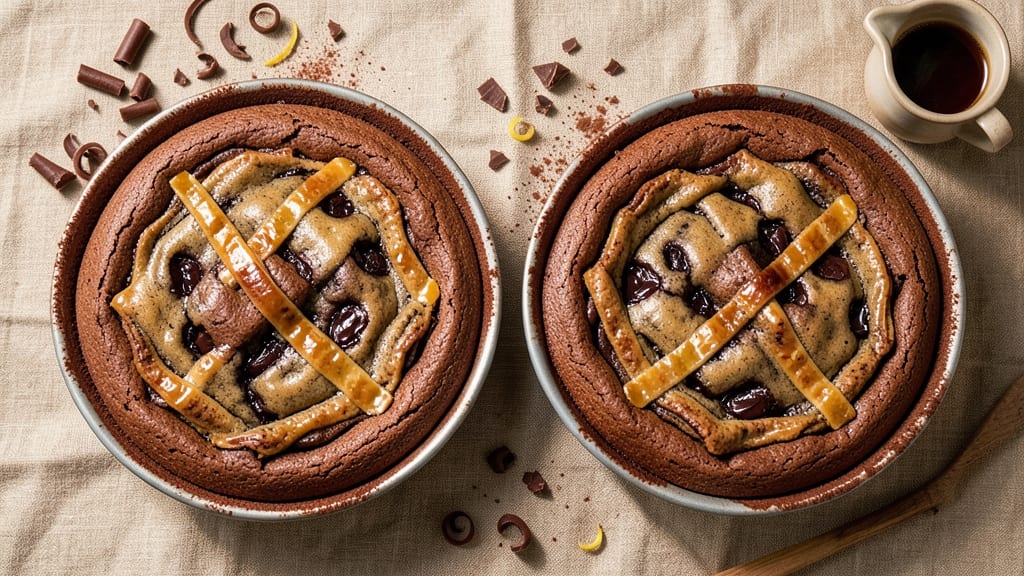
This British chocolate cake recipe delivers the perfect balance of moist layers and fudgy frosting that’s become my go-to for special occasions. The secret lies in using self-raising flour and high-quality dark chocolate—classic British elements that create that signature rich, velvety texture.
Unlike dense American cakes, this version stays tender yet sturdy enough to hold generous slices without crumbling.
What sets this recipe apart is the foolproof method that ensures even baking and a crack-free top—a common frustration with chocolate cakes. The frosting, made with melted chocolate and butter, stays velvety smooth without needing stabilizers, giving it that authentic British pudding texture.
It’s the kind of dessert that disappears faster than you can say "cuppa tea."
The result is a cake with deep chocolate flavor that’s neither overly sweet nor bitter, thanks to precise measurements and a touch of espresso powder for complexity.
Each slice reveals a moist crumb and that signature fudgy frosting that melts just slightly when warm. It’s the perfect blend of tradition and reliability.
Whether you’re baking for a celebration or simply craving a classic, this recipe delivers restaurant-quality results with minimal fuss. The frosting can be adjusted for extra richness or a lighter glaze, making it versatile for any occasion. Let’s get started on creating this timeless British favorite.
Ingredients for british chocolate cake
Self-raising flour and premium dark chocolate create the signature British texture you crave.
| Ingredient | Amount | Notes |
|---|---|---|
| Self-Raising Flour 🌾 | 1 ½ cups | British brand preferred for texture |
| Unsalted Butter 🧈 | 1 cup | Softened to room temperature |
| Granulated Sugar 🍚 | 1 cup | White sugar for balanced sweetness |
| Dark Chocolate (70% Cocoa) 🍫 | 8 oz | High-quality British or Valrhona |
| Large Eggs 🥚 | 2 whole | Room temperature for even mixing |
| Instant Espresso Powder ☕ | 1 tbsp | Enhances chocolate depth |
| Milk 🥛 | ½ cup | Whole milk for richness |
| Vanilla Extract 🌿 | 1 tsp | Pure Madagascar preferred |
| Salt 🧂 | ½ tsp | Fine sea salt for balance |
| Dark Chocolate (70% Cocoa) for frosting 🍫 | 12 oz | Same brand as cake layer |
| Unsalted Butter for frosting 🧈 | ½ cup | Melted for smooth texture |
| Powdered Sugar 🍚 | 2 cups | Sifted for smooth frosting |
| Heavy Cream 🥛 | ¼ cup | Chilled for stability |
The self-raising flour is non-negotiable here—British brands like Sharps or Doves ensure that tender yet sturdy crumb. For the dark chocolate, Valrhona or British brands like Green & Black's deliver the complex, deep flavor that sets this apart from American versions. If you can't find British flour, King Arthur's self-rising works well, but expect slightly less lift. The butter should be European-style if available—higher fat content means richer flavor. Store flour in an airtight container away from heat to prevent staling, and keep chocolate sealed in a cool, dark place for up to 12 months.
No self-raising flour? Mix 1.5 cups all-purpose flour with 1.5 tsp baking powder, but sift thoroughly to avoid lumps. Substituting cocoa powder for melted chocolate? Use 3 tbsp unsweetened cocoa powder plus 2 tbsp melted butter, but the texture will be denser. For the frosting, cream cheese frosting works beautifully—replace the melted chocolate with 8 oz cream cheese, 0.5 cup softened butter, and 2 cups powdered sugar. The espresso powder can be omitted if you prefer a sweeter cake, but trust me on keeping it—it deepens the chocolate flavor without bitterness.
This cake keeps beautifully—3 days at room temperature covered with a damp towel, or 1 week refrigerated in an airtight container. The frosting can be made 1 day ahead and stored in the fridge, then brought to room temperature before use. For extra richness, add 1 tbsp whipped cream to the frosting. Freeze unfrosted layers for up to 3 months—thaw at room temperature before frosting. The frosting itself keeps 5 days refrigerated, so make it fresh when ready to serve for the best texture.
Why You'll Love This Recipe
- No Fuss Mixing: I swear by the self-raising flour here—no measuring eggs separately, no extra leavening to fuss with. Just melt butter, fold in chocolate, and stir. That’s it. Even my "I can’t bake" cousin nailed it.
- Rich Without Overpowering: The 70% dark chocolate gives it depth, but the butter and sugar keep it from being bitter. Honestly, the first bite tastes like a fancy patisserie, but it’s my go-to when I’m craving something indulgent without the guilt.
- Crowd-Pleaser Any Day: This cake’s the star at picnics, office parties, or when I need a dessert that won’t get picked apart. Between us, it’s the one my in-laws actually finish—no leftovers here.
- Leftovers? More Like Leftovers: A full cake lasts me three days, and the slices reheat beautifully. I’ll be real: I’ve taken it to work in a tin, and no one’s ever questioned why I brought dessert. Budget-friendly? Absolutely. Reliable? Even more so.
Step-by-step instructions for British chocolate cake
Mastering this recipe delivers a perfectly moist crumb and velvety frosting every time.
Prepare the Chocolate Cake Batter
Preheat your oven to 350°F and grease two 8-inch round cake pans with the ½ cup unsalted butter, then line the bottoms with parchment paper. This ensures easy release and even baking. In a medium heatproof bowl, melt the 8 oz dark chocolate (70% cocoa) and ½ cup unsalted butter together over a saucepan of simmering water, stirring until completely smooth. Remove from heat and let cool slightly.
In a separate large bowl, whisk together the 1.5 cups self-raising flour, 1 cup granulated sugar, ½ tsp salt, 1 tbsp instant espresso powder, and 1 tsp vanilla extract. This dry mixture should be completely homogeneous before adding wet ingredients. Once the melted chocolate mixture has cooled to 110°F, add the 2 whole large eggs, one at a time, whisking vigorously after each addition to create air pockets in the batter.
Combine Wet and Dry Ingredients
Gradually pour the chocolate mixture into the dry ingredients while folding gently with a spatula to maintain the air incorporated earlier. Add the ½ cup milk and continue folding until just combined—avoid overmixing, which can lead to a dense cake. The batter should be thick but pourable, with a rich chocolate hue and no visible streaks of flour.
Divide the batter evenly between the prepared cake pans, spreading it out to form level tops. Tap each pan firmly on the counter to eliminate any air bubbles that may have formed during pouring. Bake for 30-35 minutes, or until a toothpick inserted into the center comes out clean with just a few moist crumbs clinging to it. Rotate the pans halfway through baking for even heat distribution.
Prepare the Chocolate Ganache Frosting
While the cakes cool, prepare the frosting by combining the 12 oz dark chocolate (70% cocoa) and ½ cup unsalted butter in a heatproof bowl over simmering water. Stir until both are completely melted and smooth, then remove from heat. Add the 2 cups powdered sugar and ¼ cup heavy cream to the chocolate mixture and whisk vigorously until fully incorporated and the frosting reaches a thick, spreadable consistency.
Allow the frosting to cool slightly for 5 minutes while the cakes finish cooling completely on a wire rack. This brief cooling period prevents the frosting from melting immediately when applied. The frosting should be thick enough to hold its shape when spread but still smooth enough to pipe if desired.
Assemble and Frost the Cake
Place one cake layer on a cake stand or plate and spread a thin layer of frosting over the top to create a moisture barrier. This prevents the cake from becoming soggy when the second layer is added. Place the second cake layer on top and gently press down to create a level surface. Apply the remaining frosting evenly over the entire cake, using a spatula to create smooth sides.
For a polished finish, chill the cake in the refrigerator for 30 minutes before serving. This allows the frosting to set properly and enhances the flavors. The final result should be a perfectly moist chocolate cake with a rich, fudgy frosting that complements each bite of tender crumb.
Pro Tips For Making British Chocolate Cake
- Melt Chocolate Slowly: I learned this the hard way—dumping chopped chocolate into hot butter and expecting it to melt evenly is a recipe for lumps. Instead, chop the 70% dark chocolate into small, even pieces (about ½-inch cubes) and melt it in the butter over low heat, stirring constantly. If you’re impatient, cover the pan and let the steam work its magic for a minute before stirring again—this keeps the texture silky, not grainy.
- Whisk Eggs Until Ribbon: Self-raising flour needs eggs that hold air to rise properly, but most people just crack and fold. Whisk the eggs until they form a thick ribbon when you lift the whisk—about 2-3 minutes. This isn’t about over-beating; it’s about giving the cake structure. (Yes, even if you’re in a hurry, skip the whisk and you’ll end up with a dense brick.)
- Avoid Overmixing Dry Ingredients: The second you add the self-raising flour to the butter-chocolate mix, stop stirring. One or two gentle folds is all it takes—overmixing develops gluten and turns your cake into a tough, chewy mess. Think "just combined," not "smooth like batter." I used to worry about lumps, but the cake rises just fine with a few streaks of flour.
- Test Doneness with a Skeleton: Skip the toothpick—it’s too small to notice moisture. Press your finger gently into the center of the cake. If it springs back slightly but leaves a faint imprint, it’s done. If it’s jiggly, bake another 5-10 minutes. Overbaking dries out the crumb, and underbaking leaves it gummy. (Trust me, you’ll know the difference when you cut into it.)
Flavor customization for this british chocolate cake
Classic British Depth
For that quintessential British chocolate cake flavor, add 1 tbsp instant espresso powder to the dry ingredients. This enhances the chocolate's richness without adding bitterness—trust me, it makes a world of difference. If you can't find espresso powder, substitute with 1 tsp strong brewed coffee cooled to room temperature.
For an extra layer of complexity, I sometimes add ½ tsp orange zest to the batter, which pairs beautifully with the chocolate and adds a subtle citrus brightness. 🌿
Rich Chocolate Variations
Swap the 70% dark chocolate for 85% dark chocolate if you prefer a more intense, bittersweet flavor. Use the same quantity, but reduce the granulated sugar to ¾ cup to balance the increased cocoa content.
For a luxurious twist, fold ½ cup chopped walnuts or hazelnuts into the batter—they add texture and a buttery richness that complements the chocolate beautifully. Toast the nuts first for enhanced flavor!
Lighter Alternatives
Want a lighter cake? Replace ½ cup milk with ½ cup Greek yogurt—it keeps the moisture but adds a subtle tang. For a vegan version, use ½ cup almond milk and 2 tbsp ground flaxseed mixed with 3 tbsp water as an egg substitute.
The frosting can also be made vegan by using coconut cream instead of heavy cream and ensuring your chocolate is dairy-free. The texture remains rich and velvety!
Frosting Customizations
Craving something different? Swap the ganache frosting for a cream cheese frosting by mixing 8 oz cream cheese, ½ cup softened butter, and 2 cups powdered sugar.
For a lighter option, whip 1 cup heavy cream to soft peaks and fold in ½ cup powdered sugar and 2 oz melted chocolate—this creates a fluffy, airy finish.
If you love caramel, drizzle ½ cup salted caramel sauce over the cake before adding the frosting for a decadent twist. 🍯
Spiced and Sweet
Add warmth with ½ tsp ground cinnamon or ¼ tsp nutmeg to the dry ingredients. These spices enhance the chocolate flavor and add a cozy, comforting note. For a sweeter cake, increase the granulated sugar to 1.25 cups—just be mindful of the frosting's sweetness.
If you love a hint of spice, fold ¼ tsp cayenne pepper into the frosting for a subtle kick that balances the richness. It’s surprising how well it works!
Seasonal Adaptations
In winter, add ½ tsp cinnamon and ¼ tsp cloves to the batter for a spiced chocolate cake that feels festive. For summer, reduce the frosting slightly and top with fresh raspberries or strawberries—their acidity cuts through the richness.
In autumn, fold ½ cup chopped pecans into the frosting and sprinkle with crushed gingersnaps for a seasonal crunch. Each variation keeps the cake’s signature moist texture while adding fresh, seasonal flair. 🍂
Nutrition facts
Frequently asked questions
Why does this British chocolate cake use self-raising flour instead of all-purpose?
Self-raising flour contains baking powder, which creates lift and prevents a dense texture—essential for British cakes. The baking powder reacts with the liquid ingredients to produce air pockets, giving that signature tender yet sturdy crumb. For a 1:1 substitute, mix 1.5 cups all-purpose flour with 1.5 tsp baking powder and sift thoroughly.
Can I make this cake in a single layer instead of two?
Yes! Use a 9-inch round pan and bake for 25-30 minutes at 350°F. For a taller cake, try a 6-inch springform pan (bake 35-40 minutes). Just reduce the frosting by ⅓ to avoid overwhelming the single layer. The key is checking doneness with a toothpick—it should come out with a few moist crumbs.
What's the best way to store leftover cake?
Keep it airtight! Wrap the cake in plastic wrap, then place in a container with a damp towel to prevent drying. It stays fresh for 3 days at room temperature or 1 week refrigerated. For longer storage, freeze unfrosted layers for up to 3 months—thaw before frosting. The frosting keeps 5 days refrigerated separately.
Why did my cake crack on top?
Cracking happens when the cake bakes too quickly or the oven isn't properly preheated. Always preheat for 15 minutes and avoid opening the oven door during the first 20 minutes of baking. For extra insurance, place a baking sheet under the pans to distribute heat evenly. If it cracks, simply frost over it—the frosting will disguise the imperfection!
Can I make this cake gluten-free?
Yes, but with adjustments. Replace the self-raising flour with a 1:1 gluten-free baking blend that includes xanthan gum (like Bob's Red Mill). Add ½ tsp extra baking powder and reduce milk to ¼ cup—gluten-free batters are often wetter. The texture will be slightly denser but still delicious. For the frosting, ensure your chocolate is gluten-free certified.