
Desserts
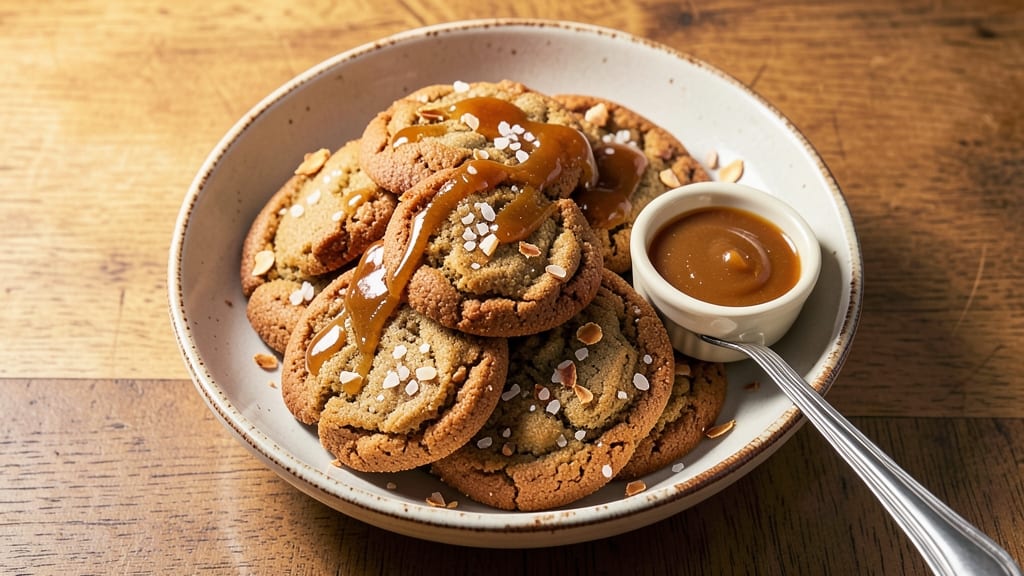
This brown butter cookie recipe transforms ordinary cookies into nutty, caramelized masterpieces without relying on chocolate chips. The rich, toasted flavor of brown butter creates a depth that elevates simple ingredients into something extraordinary.
Unlike traditional cookie recipes, these rely entirely on the complex, buttery notes of browned butter for their signature taste.
The secret to these cookies lies in the brown butter itself—its nutty aroma and caramelized sweetness infuse every bite with warmth and complexity.
You'll work with just a handful of ingredients, but the technique matters: cooling the brown butter properly and mixing it into the dough at the right temperature ensures perfect texture. These cookies develop a tender yet slightly crisp exterior with a chewy center, making them irresistible.
What makes these cookies truly special is their ability to shine on their own, without chocolate chips stealing the show. The brown butter's natural sweetness and nutty undertones create a flavor profile that's both sophisticated and comforting.
Each batch yields cookies with a golden, crackly top and soft, pillowy interior—ideal for pairing with a glass of cold milk or serving at holiday gatherings.
The process is straightforward but requires attention to detail, particularly when browning the butter and handling the dough. Once baked, these cookies stay fresh for days, making them perfect for meal prep or gifting. Let's create cookies that deliver restaurant-quality flavor at home.
Ingredients for brown butter cookie recipe no chocolate chips
Simple ingredients transform into rich, nutty cookies with just butter, sugar, and flour.
| Ingredient | Amount | Notes |
|---|---|---|
| Unsalted Butter 🧈 | 1 cup | Browned to nutty perfection |
| All-Purpose Flour 🌾 | 2 ½ cups | Sifted for light texture |
| Granulated Sugar 🍚 | 1 cup | Standard white sugar |
| Brown Sugar 🍚 | ½ cup | Packed firmly |
| Large Eggs 🥚 | 2 whole | Room temperature preferred |
| Vanilla Extract 🌿 | 2 tsp | Pure vanilla extract |
| Baking Soda 🧂 | ½ tsp | For lift and texture |
| Salt 🧂 | ½ tsp | Fine sea salt |
| Flaky Sea Salt 🧂 | 2 tbsp | For finishing cookies |
The butter is the star—unsalted so you control the saltiness. Brown it slowly over medium heat until golden and nutty, then cool completely before mixing. Land O'Lakes or Plugrá work well for browning evenly. The flour should be sifted to avoid dense cookies, and if you're in a hurry, King Arthur or Bob's Red Mill all-purpose flour is pre-sifted. Brown sugar should be packed—use a spoon to press it firmly into the measuring cup for accurate sweetness. For the eggs, room temperature ensures even mixing, but if they're cold, don't stress—just let them sit out for 10 minutes.
No vanilla extract? Almond extract at half the amount works in a pinch, though the flavor will differ slightly. Short on brown sugar? Substitute an extra 0.25 cup white sugar, but the chewiness will be slightly less. The baking soda is crucial—don't skip it or the cookies will be flat. For flaky sea salt, Maldon is ideal, but Diamond Crystal works too. If you can't find flaky salt, regular sea salt will do, though the texture will be different. The dough should be soft but not sticky—if it's too dry, add 1 tbsp milk or water.
Store cookies in an airtight container at room temperature for up to 5 days, though they'll likely disappear faster. For longer storage, freeze portions for up to 3 months. To reheat, place cookies on a baking sheet at 300°F for 2-3 minutes—they'll regain their crispness. These cookies pair beautifully with iced coffee or chai tea, and the nutty depth makes them perfect for gifting in holiday tins.
Why You'll Love This Recipe
- No Mixer Needed: I swear by this recipe when my hands are full—just cream the butter and sugar with a wooden spoon until it’s golden and fragrant. The dough comes together faster than you can say "brown butter," and the texture is always perfect.
- Rich Without Fuss: That nutty, caramelized brown butter? It’s the star here, cutting through the sweetness with depth. No chocolate chips needed—just flour, sugar, and eggs doing their magic, plus a whisper of vanilla if I’m feeling fancy.
- Weeknight Hero: These bake in 12 minutes flat, and the scent alone makes my kitchen feel like a bakery. Honestly, I’ve sent them to work with coworkers on Fridays, and they’ve never gone unsold.
- Budget-Friendly Luxury: Uses pantry basics—no specialty ingredients, no overpriced add-ins. A stick of butter, a cup of sugar, and a handful of flour stretch far, but the taste? Feels like a splurge every time. Leftovers? They vanish in days.
Step-by-step instructions for brown butter cookies
Transform simple ingredients into rich, nutty cookies with this foolproof method.
Brown the Butter to Nutty Perfection
Melt the 1 cup unsalted butter in a light-colored saucepan over medium heat. Watch closely as it bubbles and froths—when it turns golden and smells deeply nutty, immediately pour it through a fine-mesh strainer into a heatproof bowl. Let it cool for 5 minutes while you prepare the rest.
This browning step develops complex caramelized flavors that set these cookies apart. If the butter browns too quickly (it burns fast!), reduce the heat to low and stir gently. The butter should smell like popcorn and toasted nuts—this is your cue to strain and cool it.
Cream the Butter with Sugars
In a stand mixer fitted with the paddle attachment, beat the cooled brown butter with 1 cup granulated sugar and 0.5 cup brown sugar on medium speed for 3-4 minutes. The mixture should lighten in color and nearly double in volume. Scrape down the bowl occasionally to ensure even mixing.
This creaming process incorporates air, which creates the signature crackly tops and tender crumb. If your butter has cooled too much and the mixture looks grainy, warm it slightly in the microwave for 10 seconds to restore its creamy texture.
Add Eggs and Vanilla
Add the 2 whole large eggs, one at a time, mixing on low speed for 30 seconds after each addition. Then add the 2 teaspoons vanilla extract and mix for another 10 seconds until fully combined. The batter should be smooth and slightly thickened.
Don’t overmix here—just until the eggs are fully incorporated. The vanilla extract should be pure, not imitation, for the best flavor. If your eggs are cold, let them sit at room temperature for 10 minutes first to blend seamlessly with the butter.
Combine Dry Ingredients
In a separate bowl, whisk together the 2.5 cups all-purpose flour, 0.5 teaspoon baking soda, and 0.5 teaspoon salt. Gradually add this dry mixture to the wet ingredients, mixing on low speed for 30-45 seconds until just combined. The dough will be thick and slightly sticky.
Don’t overmix—stop as soon as the flour disappears. Overworking the dough develops gluten, which can make the cookies tough. If the dough seems too dry, add 1 teaspoon milk (not in the ingredients list) to help bind it, but this should rarely be necessary.
Chill and Shape the Dough
Cover the dough with plastic wrap and refrigerate for at least 30 minutes (or up to 24 hours). This chilling step is crucial—it firms up the butter, preventing excessive spreading in the oven. Scoop the dough into 1.5-tablespoon portions (about 20 cookies total) and place them 3 inches apart on parchment-lined baking sheets.
For extra flavor, roll each scooped dough ball in 2 tablespoons flaky sea salt before baking. The salt will melt slightly in the oven, creating pockets of salty crunch in every bite. Bake at 350°F for 11-13 minutes until the edges are golden brown but the centers still look slightly soft.
Pro Tips For Making Brown Butter Cookie Recipe No Chocolate Chips
- STOP WHEN IT’S GOLDEN: Brown butter isn’t done when it smells nutty—wait until it’s a deep amber with visible flecks of foam at the edges. I learned this the hard way: under-browning means flat flavor, and over-browning turns bitter. Let it cool for 2 minutes before pouring into the dough, or you’ll scramble the eggs.
- CHILL THE DOUGH LONGER: Skip the 30-minute rest if you’re in a hurry, but don’t skip the 24-hour one. My grandmother swore by this, and she was right: cold dough prevents spreading and keeps the brown butter’s rich flavor from turning greasy. Divide the dough into disks, wrap in plastic, and stick it in the fridge overnight—yes, even if you’re impatient like me.
- WEIGH THE FLOUR (OR SPOON IT): Dipping a cup into the flour bin and scooping isn’t precise. Use a scale for accuracy, or at least spoon the flour into the measuring cup and level it off with a knife. Too much flour makes dense, dry cookies, and this recipe relies on the butter’s richness to hold moisture. I skip this when I’m lazy, but the texture is noticeably better when I don’t.
- USE ROOM-TEMP EGG WHITES: Cold egg whites can curdle when mixed with warm brown butter, leading to streaky dough. Let them sit in warm water for 5 minutes before cracking—just enough to soften them without cooking. This guarantees a smooth batter and prevents those weird little pockets of unincorporated liquid in your cookies. Trust the process.
Flavor customization for this recipe
Nutty Depth Variations
Boost the brown butter flavor by adding ½ cup toasted pecans or walnuts, finely chopped and mixed into the dough. The nuts add crunch and amplify the caramelized notes.
For a smoother texture, blend ¼ cup peanut butter (unsweetened) into the wet ingredients—this creates a subtle peanut butter cookie twist that pairs beautifully with the brown butter. 🌰
Spiced Warmth Additions
Infuse the dough with warmth by mixing in 1 teaspoon cinnamon and ½ teaspoon cardamom with the dry ingredients. These spices complement the nutty butter without overpowering it. For a cozy touch, add ¼ teaspoon ground ginger—it enhances the caramelized sweetness and adds depth.
Keep the spices balanced; start with half the amount and adjust to taste.
Citrus Brightness
Brighten the rich brown butter flavor with 1 tablespoon lemon zest or orange zest mixed into the wet ingredients. The citrus cuts through the richness and adds a refreshing contrast. Pair it with 1 teaspoon lemon extract for a more pronounced tang.
This variation works especially well if your butter didn’t brown as deeply as you’d hoped—citrus helps balance any mildness.
Boozy Enhancements
For an adult-friendly twist, stir 1 tablespoon bourbon or rum into the wet ingredients after adding the vanilla. The alcohol burns off slightly during baking, leaving behind a warm, aromatic depth. For a subtler touch, use ½ teaspoon vanilla bean paste instead of extract—it adds natural boozy notes without alcohol.
Let the dough rest for 15 extra minutes after mixing to allow the flavors to meld.
Texture Contrasts
Add ¼ cup crushed pretzels to the dough for a salty-sweet crunch that contrasts the soft cookie texture. Alternatively, fold in 2 tablespoons oatmeal for a heartier bite.
For a luxurious finish, sprinkle 1 tablespoon sesame seeds or poppy seeds over the tops before baking—they add visual appeal and a nutty crunch. These additions work best when the dough is chilled, so they hold their shape during baking.
Seasonal Twists
Transform these cookies for holidays: Add ½ teaspoon pumpkin pie spice and ¼ cup dried cranberries for a Thanksgiving version. For winter, mix in ½ teaspoon smoked paprika and 2 tablespoons chopped candied ginger—the smoky-sweet combo elevates the brown butter’s depth.
Summer-friendly variations include 1 teaspoon lime zest and 2 tablespoons shredded coconut, balancing the richness with tropical brightness.
Nutrition facts
Frequently asked questions
Why do these cookies need to chill before baking?
Chilling the dough for at least 30 minutes (or up to 24 hours) is key to preventing excessive spreading. The cold butter firms up, helping the cookies maintain their shape while baking. This also allows the flavors to meld for a more cohesive taste. Skip this step, and you’ll get flat, crispy cookies instead of the perfect chewy centers you want!
Can I use salted butter instead of unsalted?
Yes, but you’ll need to adjust the recipe. Use 1 cup salted butter and reduce the fine sea salt to 0.25 teaspoon to avoid over-salting. The browning process intensifies the flavor, so the salted butter’s taste will still shine through. Just taste the dough before baking to check the saltiness.
How can I tell when the butter is perfectly browned?
The butter is ready when it turns a deep golden brown with a nutty aroma (like popcorn or toasted nuts). It should bubble gently but not smoke excessively. If it darkens too quickly, reduce the heat immediately—burnt butter tastes bitter and ruins the flavor. Strain it through a fine-mesh sieve to remove any browned bits before cooling.
What if my cookies spread too much in the oven?
Over-spreading usually means the butter wasn’t chilled enough or the oven was too hot. Next time, chill the dough longer and reduce the oven temperature to 340°F. Also, scoop the dough slightly flatter (press it down with your thumb) before baking. For extra insurance, bake on the middle rack where heat is most even.
Can I make these cookies gluten-free?
Yes! Replace the all-purpose flour with a 1:1 gluten-free baking flour blend (like Bob’s Red Mill or King Arthur). Add ½ teaspoon xanthan gum to the dry ingredients to mimic gluten’s structure. Keep the baking soda and salt amounts the same, but expect slightly denser cookies. Chill the dough 1 extra hour** to compensate for the lack of gluten.