
Desserts
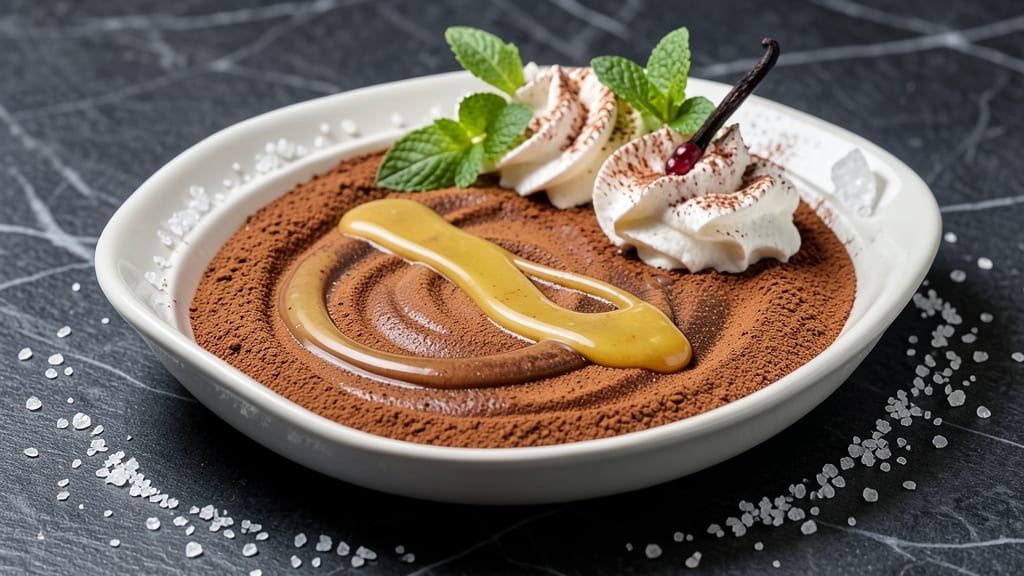
This butter chocolate sauce recipe with cocoa powder transforms simple ingredients into a velvety ganache that works as frosting, dipping sauce, or filling. The secret lies in precise ratios—equal parts butter and cocoa powder—melted together to create a rich, stable mixture that won’t seize or separate.
Perfect for beginners, this recipe delivers professional results with just three ingredients and minimal effort.
The magic happens when you temper the heat: gently warming the butter and cocoa powder ensures a smooth, glossy finish without graininess. Unlike store-bought chocolate spreads, this version stays firm enough to pipe onto cakes but melts beautifully when warmed, making it ideal for decorating or filling pastries.
The cocoa powder adds depth, balancing sweetness while keeping the sauce versatile for both sweet and savory applications.
What sets this apart is its dual-purpose nature—use it as a frosting for cupcakes, a drizzle for brownies, or even a truffle filling when chilled. The sauce thickens slightly as it cools, creating a luxurious texture that’s easier to work with than traditional ganache.
With just 10 minutes of active time, you’ll have a batch ready to elevate any dessert.
Store it in the fridge for up to 2 weeks or freeze for longer shelf life—simply reheat gently to restore its silky consistency. Whether you’re piping it onto a cake or using it as a dip, this butter chocolate sauce delivers restaurant-quality results at home. Let’s get started!
Ingredients for butter chocolate recipe with cocoa powder
Three core ingredients plus subtle enhancements create this velvety, restaurant-quality butter chocolate sauce.
| Ingredient | Amount | Notes |
|---|---|---|
| Unsalted Butter 🧈 | 1 cup | Cut into small cubes for even melting |
| Dutch-Processed Cocoa Powder 🍫 | ¾ cup | Natural or Dutch-processed preferred |
| Heavy Cream 🥛 | ¼ cup | For silky texture and stability |
| Granulated Sugar 🍚 | ¼ cup | Adjust for sweetness preference |
| Vanilla Extract 🌿 | 1 tsp | Pure vanilla for authentic flavor |
| Kosher Salt 🧂 | ¼ tsp | Diamond Crystal preferred |
| Pure Vanilla Bean Seeds 🌿 | 1 tsp | Optional for premium depth |
| Extra-Virgin Olive Oil 🫒 | 1 tbsp | For glossy finish and stability |
The cocoa powder is non-negotiable here—Dutch-processed yields a smoother, richer sauce, while natural cocoa adds depth. Valrhona or Guittard brands deliver the most consistent results, but Hershey's Special Dark works in a pinch. Unsalted butter ensures precise flavor control, and European-style butter like Plugrá or Kerrygold adds a luxurious richness. Heavy cream stabilizes the ganache, preventing graininess while maintaining a silky texture. For the sweetness, Domino or C&H granulated sugar dissolves evenly without crystallization. Buy in small quantities if you're new to this recipe—cocoa powder loses potency after opening.
No heavy cream? Full-fat coconut milk works as a dairy-free alternative, though texture may vary slightly. Substitute vanilla extract with vanilla bean paste for a more concentrated flavor. Running short on sugar? Maple syrup or agave nectar can replace up to half the amount, though texture may thin slightly. For a darker sauce, reduce sugar to 0.125 cup and increase cocoa powder by 0.125 cup. The olive oil isn't just for flavor—it acts as an emulsifier, ensuring the sauce maintains its glossy finish. If you're sensitive to fat content, reduce to 0.5 tbsp, but expect slightly less shine. Always use room-temperature ingredients to prevent seizing.
This sauce thickens as it cools, so reheat gently in 10-second bursts in the microwave for a smooth drizzle. Store in an airtight container in the fridge for up to 2 weeks, or freeze in ice cube trays for 3 months—perfect for single-serving applications. For professional decorating, chill the sauce for 1 hour before piping to achieve crisp edges. The sauce can be used immediately as a frosting, but allowing it to set for 30 minutes before applying ensures better adhesion to cakes or cupcakes. Always stir before using to redistribute any settled cocoa powder.
Why You'll Love This Recipe
- No Fuss, One-Bowl Wonder: I swear by this recipe—just melt butter, whisk in cocoa, and let the sugar and cream do the work. No eggs, no baking, no stress. Honestly, my blender does half the job while I sip coffee.
- Rich Without the Guilt: Dutch-processed cocoa powder gives that deep, velvety bite, while the butter makes it actually decadent—not bitter like some cheap chocolate recipes. The vanilla ties it all together like a warm hug.
- Dessert or Drink Fix: Use it as a sauce over ice cream, stir it into coffee, or drizzle it on toast. I’ve even made fudge with the leftovers—same ingredients, totally different vibe. It’s the Swiss Army knife of chocolate.
- Budget Luxury Leftovers: A single batch costs pennies but feels like a bakery treat. Store it in the fridge for weeks, and it’s still rich and smooth. My kids beg for it after school—proof it’s a keeper.
Step-by-step instructions for butter chocolate sauce with cocoa powder
This silky ganache transforms effortlessly into both decadent frosting and luscious sauce.
🍳 Step 1: Melt Butter and Cocoa Powder
Place the 1 cup unsalted butter in a medium heatproof bowl set over a saucepan of simmering water, ensuring the bowl doesn't touch the water. Let the butter melt completely, then remove from heat. Immediately whisk in the 0.75 cup Dutch-processed cocoa powder until fully combined and smooth.
Here's the thing—don't let the butter overheat. You want it to melt gently, not bubble aggressively. The cocoa powder should dissolve completely, creating a thick, velvety paste. If any lumps remain, strain the mixture through a fine-mesh sieve for a flawless finish.
🍳 Step 2: Incorporate Sugar and Cream
Return the mixture to low heat and add the 0.25 cup granulated sugar, whisking constantly until fully dissolved. Remove from heat and let cool slightly for 2-3 minutes—this prevents the heavy cream from curdling when added. Then, slowly pour in the 0.25 cup heavy cream while whisking vigorously.
Watch closely as the mixture begins to thicken. The key is patience—adding the cream too quickly can cause the ganache to seize. If it starts to separate, whisk in 1 tablespoon extra-virgin olive oil to restore its silky texture. The result should be a glossy, pourable consistency.
🥘 Step 3: Infuse with Vanilla and Salt
Add the 1 teaspoon vanilla extract and 0.25 teaspoon kosher salt, whisking until evenly distributed. For that premium depth, scrape the seeds from 1 vanilla bean and add them along with the extract. The seeds will release their aromatic oils as the mixture cools, enhancing the flavor profile.
This is where the magic happens—balance is everything. Taste the ganache and adjust sweetness by adding a pinch more sugar if needed, or deepen the chocolate intensity with an extra 1 tablespoon cocoa powder. The salt should be just perceptible, not overpowering.
⏰ Step 4: Cool and Adjust Consistency
Let the ganache cool to 70°F (about 15-20 minutes), stirring occasionally to prevent skin formation. For a frosting consistency, cool it to 65°F—it should coat the back of a spoon but still be pourable. If it thickens too much, gently reheat it in 10-second bursts in the microwave, stirring between each interval.
For sauce applications, you can use it immediately at its warmer, thinner state. The olive oil we added earlier ensures it remains stable and glossy, whether drizzled over cake layers or spooned over ice cream. The final texture should be velvety yet firm enough to hold its shape when piped.
Pro Tips For Making Butter Chocolate Recipe With Cocoa Powder
- Melt Butter Slowly: I learned this the hard way—dumping cold butter into a hot pan or saucepan causes it to seize up and clump. Instead, cut the butter into small cubes and let it melt gradually over medium-low heat, stirring occasionally. This keeps everything smooth and prevents those unsightly lumps that ruin the texture.
- Sift the Cocoa: Dutch-processed cocoa powder is notorious for clumping, and nothing kills a silky sauce faster than gritty cocoa. Take 30 seconds to sift it through a fine-mesh strainer before adding it to the butter. Yes, it’s an extra step, but your sauce will thank you—no scraping later.
- Temper the Cream: Heavy cream scalds easily, and once it curdles, there’s no fixing it. Warm the cream just until tiny bubbles form at the edges—about 170°F (77°C)—then whisk it into the butter-cocoa mixture in a thin, steady stream. If you’re impatient and pour it too fast, you’ll end up with a lumpy mess.
- Whisk Like You Mean It: This isn’t the time to half-ass the whisking. Once you combine the cream with the butter-cocoa mixture, keep that whisk moving constantly over low heat until it thickens. I used to let it simmer too long and end up with a grainy, separated sauce—now I watch for that moment when it coats the back of a spoon like thick pudding. That’s your cue to stop.
Regional styles of butter chocolate recipe with cocoa powder
French Ganache Tradition
The French have perfected this butter-chocolate sauce as ganache, a staple in patisseries since the 19th century. Traditional versions use equal parts heavy cream and chocolate, but my cocoa powder adaptation keeps the richness while adding depth.
French chefs often finish ganache with orange zest or espresso powder—try adding ½ teaspoon instant espresso for a mocha twist. The French technique of tempering the chocolate (or cocoa) ensures a smooth, glossy finish without graininess. 🍫
Italian Velvet Frosting
In Italy, this sauce transforms into crema al cioccolato, a velvety frosting for tiramisu and pastries. Italians often replace heavy cream with mascarpone cheese for a lighter texture while keeping the same decadent flavor.
For an authentic touch, fold in 2 tablespoons mascarpone at the end—it adds a subtle tang that balances the sweetness. Italian bakeries also use this sauce as a filling for cannoli shells, where its firm yet spreadable consistency shines.
The cocoa powder gives it a darker, more intense chocolate flavor compared to traditional Italian chocolate spreads.
American Buttercream Adaptation
American bakers love this sauce as a buttercream frosting substitute, especially for chocolate cakes. The key difference? This version stays firm enough to pipe but melts beautifully when warmed, unlike traditional American buttercream. For a classic American touch, add ½ teaspoon almond extract to complement the vanilla.
This sauce is a favorite for chocolate cupcakes and layer cakes, where its rich, stable texture holds up to piping bags. Many American home bakers also use it as a glaze for brownies, drizzled over warm treats for an instant upgrade. 🥛
Mexican Mole-Inspired Twist
For a bold regional twist, infuse this sauce with Mexican mole flavors. Add ½ teaspoon ground cinnamon, ¼ teaspoon smoked paprika, and a pinch of chili powder to create a mole-style ganache perfect for drizzling over churros or ice cream.
The cocoa powder deepens the chocolate flavor, while the spices add warmth and complexity. This fusion works surprisingly well with savory applications, like drizzling over grilled meats or cheese boards. The Mexican approach proves how versatile this sauce can be beyond traditional desserts.
Swiss Chocolate Fondue
The Swiss take this sauce to new heights by turning it into a silky chocolate fondue. For a fondue version, reduce the sugar slightly to 0.125 cup and add ½ cup white chocolate chips to the melted butter mixture.
The cocoa powder keeps it rich and dark, while the white chocolate adds balance. Serve warm in a fondue pot with strawberries, marshmallows, and pound cake for dipping. The Swiss technique of keeping the fondue at 110-120°F ensures it stays smooth and luxurious.
This regional style proves how one sauce can adapt to multiple uses! ✨
Nutrition facts
Frequently asked questions
Why does my butter chocolate sauce turn grainy?
Graininess happens when cocoa powder isn't fully dissolved or when the mixture overheats. Always melt butter gently over simmering water (never boiling) and whisk in cocoa powder until completely smooth. If lumps form, strain through a fine-mesh sieve. Also, avoid adding cold cream too quickly—let the butter-cocoa mixture cool slightly first.
Can I make this sauce without heavy cream?
Yes! For a lighter version, substitute heavy cream with full-fat coconut milk (same amount), though texture may be slightly less stable. Another option is mascarpone cheese—fold in 2 tablespoons at the end for a richer Italian-style frosting. Both alternatives work best when the sauce is warm to ensure smooth blending.
How do I fix a sauce that's too thick or too thin?
For a thick sauce, gently reheat in 10-second microwave bursts, stirring between each interval until smooth. If it's too thin, chill for 30 minutes to firm up. The olive oil in this recipe helps stabilize consistency, but adding 1 extra tablespoon of cocoa powder can also thicken it slightly. Always adjust gradually—small changes prevent over-correcting.
What's the best way to store leftover butter chocolate sauce?
Store in an airtight container in the fridge for up to 2 weeks. For longer storage, freeze in ice cube trays (perfect for single-serving applications) for 3 months. Thaw in the fridge overnight—never at room temperature. To restore smoothness after refrigeration, reheat gently in 15-second intervals while stirring constantly.
Can I use this sauce for savory dishes?
The rich cocoa butter base works beautifully with savory flavors. Try drizzling it over grilled meats (like duck or pork), pairing it with sharp cheeses on charcuterie boards, or using it as a glaze for roasted vegetables. For extra depth, add ½ teaspoon smoked paprika or a pinch of cayenne to balance the sweetness in savory applications.