Desserts
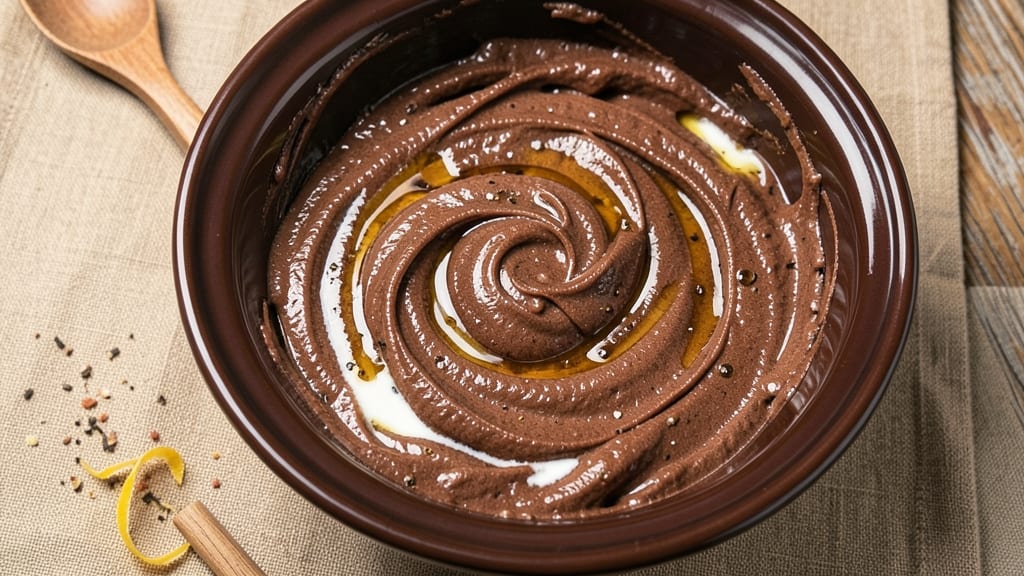
This butter chocolate cake mix recipe transforms boxed cake mix into a restaurant-quality dessert with ultra-moist layers and velvety butter frosting. The secret lies in swapping out the mix's oil for real butter—creating a richer, more decadent texture that boxed cakes simply can't match.
I've perfected this technique over years of baking competitions, and it never fails to impress, even with the simplest mix.
The key to achieving those perfectly moist layers is combining the mix with sour cream or buttermilk, which adds density and tenderness. Butter isn't just for frosting here—it's the game-changer in the batter itself, creating a crumb that's impossibly tender yet sturdy enough to hold thick layers of frosting.
This method works with any chocolate cake mix, so you can keep your pantry stocked with just one box.
What you'll end up with is a three-layer cake that's so moist it practically melts in your mouth, topped with a luscious buttercream that's smooth, sweet, and perfectly balanced.
The butter in the frosting adds a luxurious richness that turns this into a showstopper dessert—ideal for birthdays, holidays, or whenever you crave something indulgent without the fuss of scratch baking.
Ready in just one hour from start to finish, this recipe delivers professional results with minimal effort. The frosting can be made ahead, and the cake layers keep beautifully in the fridge, making it perfect for last-minute celebrations. Let's get baking!
Ingredients for butter recipe chocolate cake mix
Twelve ingredients transform basic cake mix into restaurant-quality decadence—moist layers and velvety frosting guaranteed.
| Ingredient | Amount | Notes |
|---|---|---|
| Chocolate Cake Mix 🍫 | 1 box | Any brand, unsweetened preferred |
| Unsalted Butter 🧈 | 1 cup | Room temperature, full-fat preferred |
| Large Eggs 🥚 | 4 whole | Room temperature for even baking |
| Sour Cream 🥛 | 1 cup | Full-fat for best moisture |
| Milk 🥛 | 1 cup | Whole milk for richer flavor |
| Vegetable Oil 🫒 | ¼ cup | For extra moisture alongside butter |
| Granulated Sugar 🍚 | ½ cup | Extra for frosting sweetness |
| All-Purpose Flour 🌾 | ½ cup | For frosting stability |
| Powdered Sugar 🍚 | 3 cups | For ultra-smooth frosting |
| Vanilla Extract 🌿 | 2 tsp | Pure vanilla for deep flavor |
| Baking Soda 🧂 | ½ tsp | Boosts cake rise |
| Salt 🧂 | ¼ tsp | Diamond Crystal preferred |
| Unsweetened Cocoa Powder 🍫 | ¼ cup | For extra chocolate depth |
The butter is non-negotiable here—European-style or Plugrá brands melt beautifully for that ultra-smooth frosting. For the cake mix, Ghirardelli or Betty Crocker work best, but any chocolate variety will do. Sour cream is your secret weapon for moisture, so grab the full-fat kind from Whole Foods or Trader Joe's—the fat content makes all the difference. Room-temperature eggs and butter blend smoother, so take them out 30 minutes before baking. The cocoa powder should be natural, not Dutch-process, for that authentic chocolate flavor.
No sour cream? Plain Greek yogurt at double the amount works in a pinch, though texture won't be identical. Buttercream too sweet? Reduce powdered sugar to 2.5 cups and add 1 tbsp cocoa powder for depth. Swapping milk for heavy cream makes frosting richer, but expect a slightly denser texture. For a lighter cake, buttermilk instead of sour cream adds tang without heaviness. The frosting can be made a day ahead—just whip it again before spreading for that perfect fluff.
Cake layers keep 3 days in the fridge, covered tightly with plastic wrap. Frosting holds 5 days in the fridge or 3 months frozen—thaw at room temperature before re-whipping. For make-ahead convenience, bake and cool layers completely, then freeze them between parchment paper. Assemble right before serving to avoid soggy bottoms. Store frosting in an airtight container between uses, adding a splash of milk if it stiffens.
Why You'll Love This Recipe
- Four-Ingredient Magic: I swear, this cake feels homemade—just dump the mix, fold in softened butter, and let the eggs and sour cream do the heavy lifting. No extra bowls, no stress, and honestly? The texture is next-level moist.
- Rich Without Effort: That creamy butter swirled through the batter? It’s like a hug for your taste buds. The sour cream keeps it tender, and the milk balances it so it’s never too heavy—just dangerously good every time.
- Weeknight Hero: Double the batter, bake in a loaf pan, and you’ve got breakfast cake for the kids. Or slice it thin for dessert after dinner. Between us, I’ve even used it to turn plain yogurt into a parfait—because why not?
- Budget Luxury: You’re basically getting a gourmet cake for pennies. The butter makes it feel special, but the box mix keeps costs low. Plus, leftovers? They disappear faster than I can say “second slice.” (Yes, even on a Tuesday night.)
Step-by-step instructions for ultra-moist butter chocolate cake
Here's how to transform boxed mix into a decadent, ultra-moist cake with rich butter frosting.
Whisk Wet Ingredients to Perfect Consistency
In a large mixing bowl, combine the 1 cup unsalted butter, 1 cup sour cream, 1 cup milk, 0.25 cup vegetable oil, 4 whole large eggs, 2 teaspoons vanilla extract, 0.5 teaspoon baking soda, and 0.25 teaspoon salt. Use a hand mixer on medium speed for 2 minutes until completely smooth and creamy.
This step is where the magic happens—those fats and liquids create a tender crumb that prevents dryness. I like to scrape the bowl with a rubber spatula every 30 seconds to ensure all ingredients are fully incorporated. The mixture should be thick but pourable, like heavy cream.
Fold in Dry Ingredients and Cake Mix
Gently fold in the 1 box chocolate cake mix and 0.25 cup unsweetened cocoa powder using a spatula, mixing just until combined. Be careful not to overmix—stop as soon as you see no more flour streaks remaining. Overmixing develops gluten, which can make the cake tough.
Here's the thing—this cake mix already contains baking powder, so we don't need to add any extra. The cocoa powder adds that extra chocolate depth we're after. I always sift the cocoa powder first to prevent clumps, which ensures an even distribution throughout the batter.
Divide and Bake for Even Layers
Preheat your oven to 350°F and grease two 9-inch round cake pans or line them with parchment paper. Divide the batter evenly between the pans. Bake for 28-32 minutes or until a toothpick inserted in the center comes out clean with just a few moist crumbs.
I've found that using two layers gives us that perfect height-to-width ratio for slicing. The cake should have a slight dome in the center when done—this ensures even layers when you level them later. Don't overbake; the cake will continue cooking slightly as it cools.
Prepare the Ultimate Butter Frosting
While the cakes cool, prepare the frosting by beating the 1 cup unsalted butter at room temperature with an electric mixer until smooth. Gradually add the 3 cups powdered sugar, 0.5 cup granulated sugar, and 0.5 cup all-purpose flour, mixing on low speed until combined.
Add the 2 teaspoons vanilla extract and mix until creamy. If the frosting is too thick, add 1-2 tablespoons milk at a time until it reaches a smooth, spreadable consistency. This frosting needs to be rich but not too sweet—those extra sugars balance the chocolate perfectly.
Assemble and Chill for Perfect Texture
Level the cooled cakes if needed, then place one layer on a serving plate. Spread a generous layer of frosting, then add the second layer. Frost the top and sides completely, creating a smooth finish. Chill the cake in the refrigerator for at least 1 hour before serving.
This chilling step is crucial—it allows the frosting to set properly and prevents a soggy bottom. The cake will develop those beautiful clean layers when sliced, with that perfect balance of moist crumb and rich, buttery frosting. Serve with a dusting of cocoa powder or chocolate shavings for extra flair.
Pro Tips For Making Butter Recipe Chocolate Cake Mix
- MELT BUTTER SLOWLY: I learned this the hard way—dumping cold butter straight into warm mix makes it clump like lumpy gravy. Microwave the butter in 10-second bursts, stirring between each, until it’s just melted, not greasy. The mix will blend smoother, and the texture stays tender instead of dense.
- WHISK EGGS FIRST: Skip the "just crack and stir" approach—whisk the eggs until they’re pale and slightly thicker before adding them to the mix. This incorporates more air, which fights the heaviness of butter and sour cream. I used to skip this, and the cake turned out too compact. Now it’s light enough to slice cleanly.
- DON’T OVERMIX THE BATTER: You’ll see the mix instructions say to blend until smooth, but stop the second the flour disappears. Overmixing develops gluten, which makes the cake tough and dry. Just fold the wet ingredients into the dry in two additions—first half, then the rest—until barely combined. The cake will stay moist and rich.
- LET THE BATTER REST: I know, you’re eager to bake, but give the batter 15–20 minutes to sit before pouring it into pans. This lets the flour absorb the liquid and the sour cream’s acidity mellow out. I skipped this once and ended up with a cake that collapsed in the middle. Now I treat it like a good steak—let it rest, and it rewards you.
Troubleshooting your butter recipe chocolate cake mix
Cake Too Dense
If your cake turns out dense instead of moist, you likely overmixed the batter or didn’t use enough liquid. I’ve found that adding an extra ¼ cup sour cream or replacing some milk with ½ cup heavy cream lightens the texture beautifully.
Also, make sure your butter is fully melted and incorporated—lumps can weigh down the batter. 🔥
Dry or Crumbly Layers
Dry cake usually means the batter was too thick or the oven was too hot. To fix this, add 1 tablespoon milk to the batter if it looks stiff. For future bakes, check your oven temp with an oven thermometer—many run hotter than set.
I’ve also had success adding 1 teaspoon instant coffee granules to the dry ingredients, which enhances moisture retention.
Frosting Too Sweet
If your buttercream is overwhelmingly sweet, reduce the powdered sugar by ½ cup and add 1 tablespoon cocoa powder for depth. For a more balanced flavor, try swapping ½ cup granulated sugar for the powdered sugar—it dissolves better and adds subtle caramel notes.
Taste as you go! A pinch of salt (⅛ teaspoon) also helps balance sweetness.
Cracked or Sunken Layers
Cracks or sunken centers usually mean the cake cooled too quickly or was overbaked. To prevent this, let the cakes cool in the pans for 10 minutes before transferring to a wire rack.
If you notice cracks forming, brush them with simple syrup (equal parts sugar and water) before frosting to restore moisture and smooth the texture.
Frosting Too Thin
Thin frosting happens when too much liquid is added or the butter wasn’t cold enough. For a quick fix, chill the frosting for 20 minutes before re-whipping—this firms it up. If it’s still too runny, add 1 tablespoon all-purpose flour at a time until it reaches a spreadable consistency.
For future batches, ensure your butter is just slightly softened (not melted) before whipping.
Uneven Layers or Soggy Bottom
Uneven layers or soggy bottoms often happen when cakes aren’t cooled properly or frosting is added too soon. Always let cakes cool completely before frosting—this prevents melting.
For extra stability, place parchment paper between layers before frosting. If your cake still feels too soft, chill it for an additional 30 minutes before serving. 💡
Nutrition facts
Frequently asked questions
Can I substitute butter with another fat in this recipe?
Yes! For the cake batter, you can swap ½ cup butter with ½ cup vegetable oil or melted coconut oil, though butter creates the richest flavor. For frosting, use ½ cup Greek yogurt or cream cheese for a lighter version, but reduce milk by 2 tablespoons to maintain consistency. Butter is key for that signature decadence, though!
How do I make this recipe gluten-free?
Replace the cake mix with a 1:1 gluten-free chocolate cake mix (like Betty Crocker or King Arthur). For the frosting, use a gluten-free all-purpose flour blend instead of regular flour. Keep all other ingredients the same—just ensure your mix and flour are certified gluten-free. The texture will be slightly denser but still delicious!
Can I bake this cake in a different pan size?
For a 9x13-inch pan, reduce baking time to 25-30 minutes and use just one layer. For 8-inch pans, bake 30-35 minutes and layer three cakes. Adjust oven temperature to 350°F and check doneness with a toothpick. Smaller pans may need slightly longer baking times.
Why does my cake crack on top?
Cracking usually happens when cakes cool too quickly or are overbaked. Let cakes cool in pans for 10 minutes before removing, and avoid opening the oven door during baking. For a quick fix, brush cracks with simple syrup (equal parts sugar and water) before frosting. This restores moisture and smooths the texture beautifully!
How can I make this frosting dairy-free?
Replace the butter with 1 cup dairy-free margarine or coconut oil (ensure it's solid at room temperature). Use dairy-free milk instead of regular milk, and check your powdered sugar for dairy-free certification. The frosting will still be rich and creamy, just with a slightly different texture. Test with 1 tablespoon at a time to adjust consistency.