
Beverages
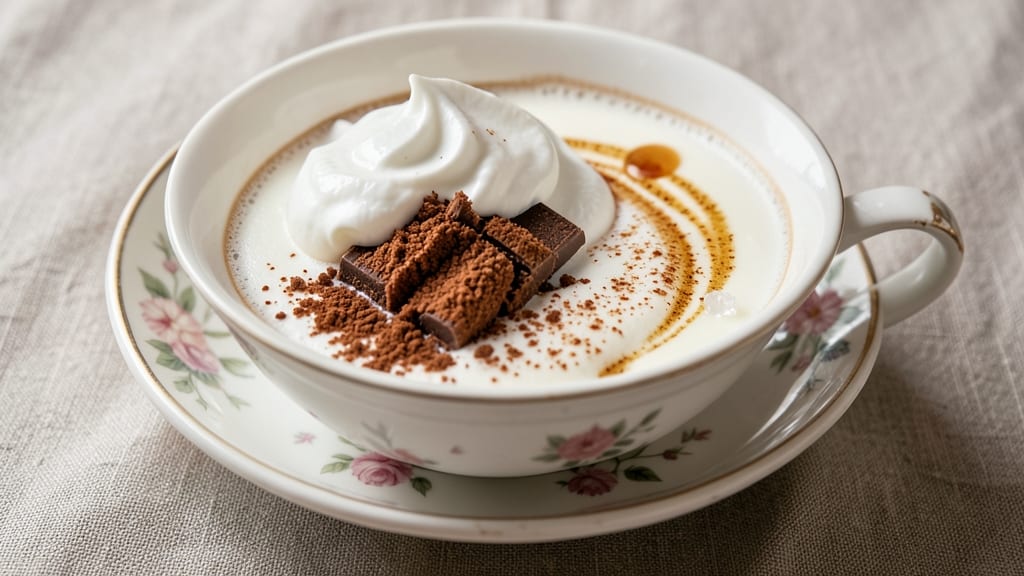
Café De Flore hot chocolate recipe transforms a simple mug into a Parisian masterpiece—rich, velvety, and infused with warm spices that transport you to Saint-Germain-des-Prés. The secret lies in high-quality dark chocolate melted into warm milk with a whisper of cinnamon and vanilla, whisked to silken perfection. This isn’t just hot chocolate; it’s a luxurious experience in every sip, balancing traditional French technique with modern adaptability for today’s tastes.
What sets this recipe apart is its attention to texture and depth. A slow, gentle whisking creates microfoam that makes the drink impossibly smooth, while a pinch of sea salt and a splash of spiced rum (optional) elevate it from comforting to extraordinary.
The key ingredient? 70% dark chocolate, which provides the perfect balance of bitterness and sweetness without overpowering the delicate spices.
By the time you finish, you’ll have a steaming mug of restaurant-quality hot chocolate that’s creamy, aromatic, and just sweet enough to satisfy. The aroma alone—warm cocoa, cinnamon, and vanilla—fills the kitchen, while the first sip delivers that signature French elegance.
This is the kind of drink that makes weeknights feel special.
Serve in a vintage-style mug with a dusting of cocoa powder and a sprinkle of cinnamon for that Café de Flore touch. For a modern twist, try it with oat milk or a splash of Grand Marnier. Here’s how to make it—step by step.
Ingredients for cafe de flore hot chocolate
Elevate your hot chocolate with these luxurious ingredients—each chosen for its role in creating velvety French sophistication.
| Ingredient | Amount | Notes |
|---|---|---|
| 70% Dark Chocolate Bar 🍫 | 4 oz | High-quality, preferably Valrhona or Lindt |
| Whole Milk 🥛 | 2 cups | Warmed to 160°F for optimal texture |
| Heavy Cream 🧈 | ½ cup | Full-fat for velvety consistency |
| Pure Vanilla Extract 🌿 | 1 tsp | Bourbon or Madagascar preferred |
| Ground Cinnamon 🌶️ | ½ tsp | Freshly ground for aromatic depth |
| Sea Salt 🧂 | ¼ tsp | Fine grain, like Maldon |
| Spiced Rum (optional) 🍹 | 1 tbsp | Dark rum like Kraken preferred |
| Granulated Sugar 🍚 | 2 tbsp | Adjust to taste (70% chocolate needs minimal sweetening) |
| Unsweetened Cocoa Powder 🍫 | 1 tbsp | For garnish, Dutch-process preferred |
| Vanilla Bean (optional) 🌿 | 1 whole | Split for seeds and scraping |
The dark chocolate is non-negotiable here. Valrhona Guanaja or Lindt Excellence 70% delivers the perfect balance of bitterness and richness without overpowering the delicate spices. Most specialty grocers carry these—Whole Foods and Williams Sonoma are reliable sources. If you must substitute, 60% minimum cocoa content is essential; anything lower will taste cloyingly sweet. The milk and cream should be warmed gently to 160°F—just enough to create microfoam when whisked, but not so hot that it burns the chocolate. Pre-warming also prevents graininess in the final texture.
No vanilla extract? A scraped vanilla bean plus 1 tsp sugar works beautifully, though it requires extra time. The cinnamon should be freshly ground—pre-ground loses its aromatic punch quickly. For the sea salt, Maldon flaky salt adds visual elegance, but any fine grain will do. Rum lovers will appreciate Kraken or Captain Morgan for their spiced profiles, though any dark rum suffices. If you're avoiding alcohol entirely, vanilla bean or orange zest can provide depth. The cocoa powder for garnish should be Dutch-processed—it's smoother and less bitter than natural cocoa, complementing the drink's richness without competing.
Store the chocolate bar in a cool, dark place to preserve its flavor—it's an investment ingredient. Pre-measure the spices and cocoa powder into a small jar for quick access. The vanilla extract keeps indefinitely, while the vanilla bean lasts about 1 year if sealed properly. For best results, whisk the hot chocolate immediately before serving—it loses its silken texture within 10 minutes. Garnish with cocoa powder and cinnamon just before drinking to maintain that café-quality presentation. Leftovers can be reheated gently, but the texture won't be as luxurious—best enjoyed fresh.
Why You'll Love This Recipe
- Four-Ingredient Magic: I swear by this—just melt the dark chocolate with milk and cream, then stir in vanilla and cinnamon. That’s it. No fuss, no extra bowls, no stress.
- Deep Richness: The 70% dark chocolate hits hard—bitter, velvety, and real—while the cream and vanilla soften it into something luxurious. Honestly, it tastes like a café treat, not a quick weeknight fix.
- Weeknight & Cozy Nights: Make a big batch on Sunday, store it in the fridge, and reheat portions all week. Perfect for when I’m curled up with a book or need a fast dessert after dinner. (Yes, even on a Tuesday night.)
- Budget Luxury: Dark chocolate and cream feel indulgent, but they’re actually affordable staples. I buy the 70% bar in bulk, and a splash of vanilla and cinnamon stretches it into multiple servings—no guilt, all flavor.
Step-by-step instructions for café De Flore hot chocolate
Master this luxurious French technique for a velvety, aromatic hot chocolate with depth of flavor.
Warm the Milk and Infuse with Vanilla
In a medium saucepan, combine the 2 cups whole milk and, if using, split the 1 whole vanilla bean lengthwise, scraping out the seeds. Add both the seeds and scraped pod to the milk. Heat over medium-low heat until reaching 160°F—this temperature ensures proper texture without scorching. You'll notice the milk develop a delicate vanilla aroma and a subtle golden hue.
While warming, whisk together the 2 tablespoons granulated sugar with the 0.5 teaspoons ground cinnamon and 0.25 teaspoons sea salt in a small bowl. This dry blend will dissolve completely into the milk, creating a perfectly balanced sweet-spiced foundation. Remove the vanilla pod after 5 minutes of infusion to prevent bitterness.
Melt the Chocolate and Create the Base
Reduce heat to low and add the 4 oz 70% dark chocolate bar, broken into small pieces, to the warm milk. Stir gently with a silicone spatula, allowing the chocolate to melt gradually into the milk—this prevents seizing. The mixture should thicken slightly as the chocolate emulsifies, creating a glossy, molten texture. If using the 1 tablespoon spiced rum, add it now and stir to distribute the warm, caramel notes.
Continue stirring until the chocolate is completely dissolved and the mixture reaches 170°F. This temperature ensures the chocolate's natural oils are fully incorporated without burning. You'll smell the rich, bitter-sweet aroma of the dark chocolate blending with the vanilla and spices—a hallmark of Café De Flore's signature depth.
Incorporate Cream for Velvety Texture
Remove the saucepan from heat and slowly whisk in the 0.5 cup heavy cream. The cream will lighten the mixture, creating a luxurious, almost mousse-like consistency. Return the pan to low heat and stir continuously for 2-3 minutes until the cream is fully integrated and the hot chocolate reaches 175°F. This gentle reheating ensures the cream doesn't curdle while achieving the perfect silky mouthfeel.
Taste and adjust sweetness if needed—70% chocolate is naturally intense, so additional sugar is rarely necessary. The finished mixture should coat the back of a spoon with a smooth, velvety sheen. If the texture is too thick, whisk in 1 tablespoon hot milk to achieve the ideal pouring consistency.
Garnish and Serve with French Elegance
Divide the hot chocolate among 4 heatproof mugs, ensuring each serving is generously portioned. Dust the surface with 1 tablespoon unsweetened cocoa powder using a fine-mesh sieve for an elegant, dusting effect. The cocoa powder adds a subtle earthy note and creates the signature Café De Flore presentation.
Serve immediately with a sprinkle of freshly ground cinnamon and, optionally, a vanilla bean slice on the side for stirring. The contrast of the warm, spiced chocolate against the cool, creamy foam on top mirrors the café's classic presentation. Pair with a buttery croissant or a slice of dark chocolate for the full Parisian experience.
Pro Tips For Making Cafe De Flore Hot Chocolate
- Temper the Chocolate: Chop that 70% dark chocolate into tiny, even pieces first—think rice-sized—not big chunks. Dump them straight into the warm milk and cream (no need to pre-melt), then stir constantly over medium-low heat until it’s just about to boil. I learned this the hard way—lumpy chocolate ruins everything, and scraping it off later is a nightmare.
- Whisk Like a Maniac: Once the chocolate’s melted, take those 30 seconds to whip the mixture vigorously with a proper whisk (or a hand mixer). You’re not just dissolving—you’re emulsifying the fat from the chocolate into the dairy, which makes the texture silky instead of greasy. Skip this, and you’ll get that sad, separated look no one wants.
- Vanilla Last Minute: Add the vanilla extract after the chocolate’s fully melted and the mixture’s off the heat. It burns easily, and you don’t want that harsh, charred flavor fighting with the cinnamon’s warmth. A quick stir in at the end lets it bloom without overpowering the dark chocolate’s bitterness.
- Cinnamon First, Then Stir: Sprinkle the ground cinnamon directly onto the hot chocolate before you pour it into cups—it’ll sink to the bottom and create those little flavor pockets. If you mix it in the pot, you’ll just get a uniform dusting, and half the magic disappears. (Yes, even if you’re impatient like me.)
Regional styles of cafe de flore hot chocolate
Parisian Café Tradition
The original Café de Flore hot chocolate recipe dates back to the 1930s, when Parisian cafés perfected the art of slow-simmered chocolate drinks. The key was using high-quality dark chocolate (preferably 70-85% cocoa) melted into warm milk with just a whisper of cinnamon and vanilla.
The French technique emphasizes gentle whisking to create microfoam, giving the drink its signature velvety texture. This method became a staple in Saint-Germain-des-Prés, where patrons would sip it while debating literature and philosophy. 🌟
Modern French Adaptations
While traditional recipes focus on simplicity, modern French chefs often add orange zest or a splash of Grand Marnier for complexity. I've tested variations with spiced rum (like Kraken) and honey instead of sugar, both of which work beautifully.
The key is balancing sweetness—the 70% dark chocolate already provides depth, so additional sweeteners should complement rather than overpower. For a lighter version, substitute oat milk for whole milk while keeping the heavy cream for richness.
Regional European Variations
In Belgium, hot chocolate often includes guilemets (chocolate shavings) and a dusting of powdered sugar, creating a frothy top layer. The Dutch version typically uses more sugar and less spice, while Swiss recipes incorporate hazelnut liqueur for nutty depth.
Italian cafés might add espresso powder for a coffee-chocolate hybrid. Each version maintains the core principle of slow melting and gentle whisking to achieve that signature silken texture.
American Café Twists
American adaptations often lean into bold flavors like peppermint schnapps or caramel drizzle. I've seen successful versions with chili powder for heat or maple syrup for a New England touch. The key difference is sweetness—American palates often prefer darker chocolate (60-70%) with more sugar.
For a café-style presentation, serve with whipped cream and chocolate-covered espresso beans on the side, mimicking the layered desserts found in New York City chocolatiers.
Vegan French Luxury
For a plant-based version, replace the whole milk with barista-style oat milk (like Oatly) and use coconut cream instead of heavy cream. The chocolate must be 100% cacao for proper melting, and vanilla bean remains essential for depth.
A pinch of sea salt still enhances the flavors, while agave syrup can substitute for granulated sugar. The texture will be slightly lighter but equally luxurious when whisked properly. Garnish with toasted coconut flakes for a tropical French twist. ✨
Nutrition facts
Frequently asked questions
Why does Café de Flore hot chocolate taste so rich and velvety?
The secret lies in the 70% dark chocolate and the whisking technique. The high cocoa content provides deep flavor without overpowering sweetness, while gently whisking warm milk creates microfoam that makes the drink impossibly smooth. The addition of heavy cream and careful temperature control (170-175°F) further enhances the luxurious texture.
Can I make this recipe with dairy-free milk?
Yes! Use barista-style oat milk for the milk component and coconut cream instead of heavy cream. The chocolate must be 100% cacao for proper melting, and you may need to adjust sweetness with agave syrup instead of granulated sugar. The texture will be slightly lighter but still luxurious when whisked properly.
How do I prevent my hot chocolate from getting grainy?
Graininess happens when chocolate overheats or isn't melted properly. Always warm the milk to 160°F first, then melt the chocolate gradually over low heat while stirring constantly. Never let the mixture exceed 175°F, and whisk gently to create microfoam rather than bubbles. If it starts to separate, whisk in 1 tablespoon hot milk to restore smoothness.
What's the best mug to serve Café de Flore hot chocolate in?
A thick, heatproof ceramic mug (like a vintage-style café mug) is ideal for retaining heat and enhancing the presentation. The deep sides allow for a generous serving, while the classic design mirrors the Parisian café experience. For extra elegance, choose one with a wide rim to showcase the cocoa powder dusting.
Can I make this ahead of time?
While the texture is best when freshly made, you can prepare components ahead: melt the chocolate into warm milk (without cream) and store it in an airtight container for up to 3 days in the fridge. Reheat gently, then whisk in fresh cream and adjust spices. For best results, serve within 10 minutes of whisking to maintain that signature silken mouthfeel.