
Desserts
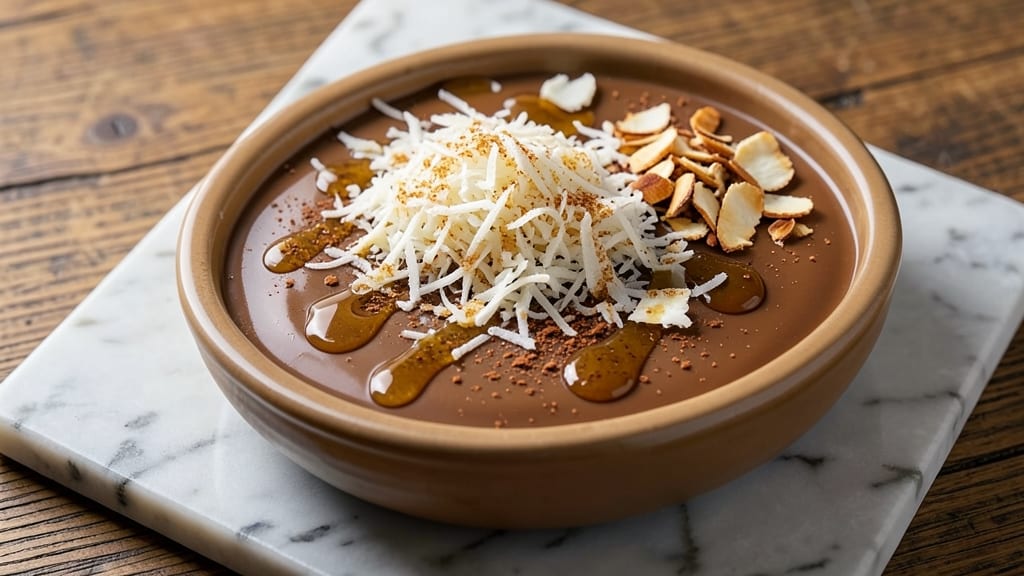
This carob powder chocolate recipe delivers a rich, cocoa-free fudge with deep nutty undertones that rivals traditional chocolate. Unlike its caffeine-laden counterpart, carob offers a naturally sweet, mineral-packed alternative perfect for those seeking a healthier indulgence.
The secret lies in balancing carob powder with coconut oil and maple syrup to create a silky, melt-in-your-mouth texture that's both satisfying and guilt-free.
The beauty of this recipe is its versatility—it works as a standalone treat or as a base for truffles, bark, or even a decadent cake layer. What makes it truly special is how carob's natural sweetness develops complexity when combined with warm spices like cinnamon or vanilla.
Each bite delivers a harmonious blend of earthy nuttiness and subtle caramel notes, proving that chocolate alternatives can be just as luxurious.
With just 5 simple ingredients and 15 minutes of prep time, you'll have a batch of fudge that's ready to be shaped, sliced, or broken into pieces. The process is straightforward: melt, mix, and set, with no baking required.
This makes it ideal for last-minute cravings or when you need a quick but impressive dessert for guests.
Store the fudge in an airtight container for up to 2 weeks at room temperature, or freeze for extended freshness. For added indulgence, try rolling pieces in crushed nuts or sprinkling with sea salt before serving.
The possibilities are endless, but the result is always a crowd-pleasing treat that defies expectations.
Ingredients for carob powder chocolate
Five ingredients transform into a velvety, nutty fudge that rivals traditional chocolate's indulgence.
| Ingredient | Amount | Notes |
|---|---|---|
| Carob Powder 🍫 | ¾ cup | Organic, unsweetened preferred |
| Unsweetened Shredded Coconut 🥥 | ½ cup | Finely shredded for texture |
| Coconut Oil 🫒 | ½ cup | Unrefined for rich flavor |
| Pure Maple Syrup 🍯 | ⅓ cup | Grade B for depth of flavor |
| Vanilla Extract 🌿 | 1 tbsp | Pure Madagascar vanilla preferred |
| Ground Cinnamon 🌶️ | ½ tsp | Ceylon cinnamon for delicate flavor |
| Sea Salt 🧂 | ¼ tsp | Fine grain for finishing |
| Crushed Hazelnuts 🌰 | ¼ cup | Optional for garnish |
Carob powder is the star here—NOW Foods or Bob's Red Mill brands deliver consistent quality. Look for organic, unsweetened varieties to avoid additives that can dull carob's natural depth. The coconut oil should be unrefined and virgin—it adds a subtle coconut aroma that complements carob beautifully. For maple syrup, Grade B contains more sediment and flavor compounds, giving your fudge that caramel-like richness. Vanilla extract should be pure, with no artificial additives—Madagascar bourbon vanilla adds a warm, spicy note that pairs perfectly with carob's earthiness.
No carob powder? Cocoa powder at half the amount works in a pinch, but the flavor profile will shift dramatically. Substituting coconut oil for avocado oil maintains neutral flavor but loses the subtle coconut undertone. If you're avoiding maple syrup, agave nectar is a 1:1 swap, though it lacks the same depth. For the cinnamon, cassia cinnamon is stronger—reduce to one-quarter teaspoon if using. Hazelnuts can be swapped for toasted almonds or pecans, but hazelnuts' buttery texture is ideal for rolling finished pieces.
This fudge sets at room temperature in about 2 hours, though it's best chilled for 1 hour in the refrigerator to firm up quickly. Store in an airtight container lined with parchment paper to prevent sticking—keeps for 2 weeks at room temperature or 3 months in the freezer. For a professional finish, roll pieces in crushed nuts or sprinkle with flaky sea salt before serving. The texture improves with time as flavors meld, making it perfect for making ahead.
Why You'll Love This Recipe
- No-Fuss Mixing: I swear by this recipe because it’s three ingredients plus heat—just melt the coconut oil, whisk in the carob and maple syrup, then fold in the coconut. No eggs, no tempering, no stress. Honestly, I’ve made it while scrolling through my phone.
- Rich Without Sugar: That carob powder? It’s like dark chocolate’s quieter, more sophisticated cousin—deep, slightly bitter, but with a natural sweetness from the maple. The coconut adds a toasty crunch, and the vanilla ties it all together. It’s the kind of treat that doesn’t leave me crashing an hour later.
- Endless Uses: Spread it on toast with banana slices for breakfast. Roll it into energy balls for lunchbox snacks. Or just eat it straight with a spoon—no judgment. Between us, I’ve even used it as a dip for apple slices when I’m too tired to bake.
- Budget Magic: Carob powder is a fraction of the cost of cocoa, and coconut oil lasts forever. A single batch stretches into days of snacks, and the ingredients don’t require a shopping spree. I’ll be real: my pantry already had everything, and I still have half a jar of carob left from last time.
Step-by-step instructions for carob powder chocolate recipe
Here's the method for crafting velvety carob fudge with nutty complexity and balanced sweetness.
Melt the Base Ingredients
In a medium saucepan over low heat, combine the 0.5 cup coconut oil and 0.33 cup pure maple syrup. Heat gently, stirring occasionally, until the mixture reaches 160°F—just below simmering. You'll notice the coconut oil begins to liquefy and the syrup starts to bubble softly at the edges.
Remove from heat and whisk in the 0.75 cup carob powder all at once. Return the pan to low heat and stir continuously until completely smooth, about 3-4 minutes. The mixture should thicken noticeably and take on a rich, caramel-like hue. If it seizes or clumps, reduce heat slightly and continue stirring—this ensures a silky texture in your final fudge.
Incorporate Flavors and Texture
Transfer the melted carob mixture to a heatproof bowl and let it cool for 5 minutes until it reaches 120°F. This gradual cooling prevents the coconut oil from separating. While it cools, combine the 0.5 cup unsweetened shredded coconut and 0.25 cup crushed hazelnuts in a small bowl.
Once the carob mixture is at 120°F, whisk in the 1 tbsp vanilla extract, 0.5 tsp ground cinnamon, and 0.25 tsp sea salt. The salt enhances all flavors, while the cinnamon adds warmth that complements the carob's earthy notes. Fold in the coconut-hazelnut mixture using a spatula, ensuring even distribution throughout the fudge.
Set the Fudge Properly
Line an 8x8-inch baking dish with parchment paper, leaving overhang on all sides for easy removal. Pour the carob mixture into the prepared dish and smooth the top with a spatula. Cover with plastic wrap and refrigerate for 4 hours or until firm to the touch.
Here's the thing—patience is key. The fudge needs this time to set properly so it holds its shape when sliced. If you're in a hurry, you can speed this up by placing the dish in the freezer for 2 hours, but the texture won't be as smooth. Once set, use the parchment overhang to lift the fudge out of the pan and cut into squares with a sharp knife.
Finishing Touches
Before serving, let the fudge sit at room temperature for 10-15 minutes to soften slightly. This makes it easier to slice cleanly and enhances the flavor development. The carob should have a deep, toasty aroma with hints of vanilla and cinnamon—this is your cue that it's ready.
For presentation, sprinkle additional crushed hazelnuts on top of each square. The contrast between the creamy fudge and crunchy nuts adds an appealing texture element. Store any leftovers in an airtight container in the refrigerator for up to 2 weeks, though it's likely to disappear much sooner.
Pro Tips For Making Carob Powder Chocolate
- Melt Coconut Oil Slowly: Heat it over low heat—carob powder burns faster than you’d think. I learned this the hard way when my first batch turned bitter from rushing the process. Let the oil melt just until it’s liquid, then whisk in the carob to avoid clumping.
- Toast the Coconut First: Dry-toast the shredded coconut in a pan for 2-3 minutes before mixing it in. This adds depth and prevents it from turning mushy when the chocolate cools. (Yes, even if you’re impatient like me—just set a timer.)
- Stir Constantly at First: Once you mix carob powder and coconut oil, stir vigorously for 30 seconds before adding syrup. This prevents grainy lumps that ruin the texture. I skip this step sometimes, and the result is always noticeably less smooth.
- Use Warm Syrup: Heat the maple syrup slightly (just until it’s pourable) before adding it to the carob mixture. Cold syrup makes the chocolate seize up and thicken unevenly. A quick 10-second zap in the microwave does the trick.
Flavor customization for this dish
Spiced Variations
Swap the cinnamon for ½ tsp cardamom and ¼ tsp nutmeg for a Middle Eastern-inspired twist. The cardamom adds floral notes while nutmeg brings warmth—perfect for pairing with dates or orange zest. I find this version works beautifully in holiday gift boxes alongside roasted almonds. 🌟
Citrus Brightness
Add 1 tbsp orange zest and ½ tsp ground ginger for a zesty carob fudge that cuts through richness. The citrus lifts the carob’s earthiness while the ginger adds subtle heat.
This variation shines when sliced into thin rectangles and served with chamomile tea. Store in an airtight container to preserve the citrus oils.
Nutty Enhancements
Replace hazelnuts with ¼ cup toasted pecans or ¼ cup walnuts for deeper nutty complexity. Pecans add buttery sweetness, while walnuts bring earthy crunch. For extra indulgence, fold in 2 tbsp dairy-free chocolate chips (like Enjoy Life brand) during Step 2. The contrast of textures makes every bite exciting.
Coffee Infusion
Add 1 tbsp instant coffee granules dissolved in 1 tsp hot water to the cooled carob mixture. This creates a mocha-inspired fudge that satisfies chocolate cravings without caffeine. I recommend using Death Wish Coffee for bold flavor without bitterness. The coffee deepens the carob’s natural richness while keeping it smooth.
Herbal Infusions
Steep 1 tbsp dried lavender in ¼ cup hot water for 10 minutes, then strain and whisk into the carob mixture. The floral notes pair surprisingly well with carob’s nuttiness.
For a more robust herbal profile, try ½ tsp dried rosemary**—it adds piney depth that works beautifully with sea salt finishing. Store infused fudge in an airtight container to maintain freshness.
Nutrition facts
Frequently asked questions
Can I use carob powder instead of chocolate in baking?
Carob powder works beautifully as a chocolate substitute in many recipes. It's naturally sweet, caffeine-free, and has a nutty, slightly earthy flavor that pairs well with spices like cinnamon, vanilla, and citrus. For best results, use a 1:1 ratio in recipes calling for cocoa powder, though you may need to adjust sweetness slightly since carob is less intense than chocolate.
What's the difference between carob powder and cocoa powder?
Carob powder is made from ground carob pods, while cocoa powder comes from fermented cocoa beans. Carob is naturally sweet, caffeine-free, and has a mild, nutty flavor, while cocoa has a stronger chocolate taste with caffeine. Carob is also lower in fat and calories, making it a popular choice for health-conscious bakers and those avoiding chocolate's stimulants.
Can I make this recipe without coconut oil?
Yes, but the flavor will change slightly. You can substitute coconut oil with avocado oil or vegetable oil for a neutral base. However, coconut oil adds a subtle coconut aroma that complements carob's nuttiness. If you prefer a richer texture, try using vegan butter instead, but reduce it by 1 tablespoon since it's more solid.
How long does carob fudge keep?
This carob fudge stays fresh for up to 2 weeks when stored in an airtight container at room temperature. For longer storage, wrap individual pieces in parchment paper and freeze for up to 3 months. The texture may soften slightly when thawed, but it's still delicious. Keep it refrigerated if your kitchen is very warm to maintain firmness.
Is carob powder good for people with chocolate allergies?
Yes, carob powder is a safe alternative for those with chocolate allergies since it comes from a different plant family. However, always check the label to ensure your carob powder is processed in a facility free from chocolate cross-contamination. People with severe allergies should consult their doctor before trying carob products, as individual sensitivities may vary.