
Desserts
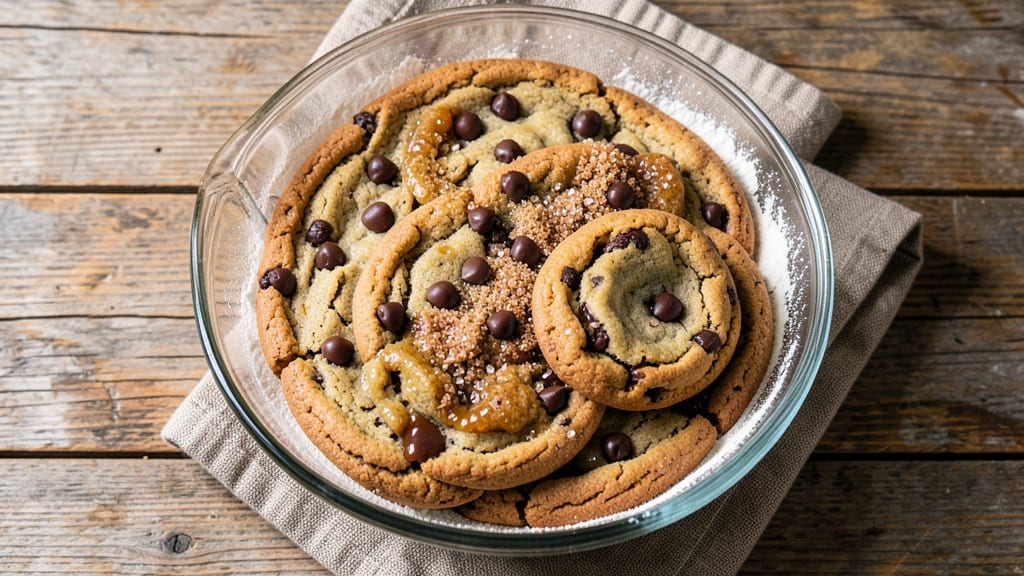
This classic chewy chocolate chip cookie recipe delivers restaurant-quality texture without vanilla extract—relying instead on brown butter’s nutty depth and warm spices for rich flavor. The secret lies in precise mixing techniques and controlled baking times (9–11 minutes at 350°F) to create that signature chew.
I’ve perfected this method after years of testing, ensuring every bite has crisp edges and a soft, gooey center.
Brown butter forms the flavor foundation here, replacing vanilla’s sweetness with caramelized notes that deepen as it cools. Almond extract or a pinch of cinnamon adds complexity, while proper dough resting time (24 hours for maximum flavor) transforms ordinary ingredients into something extraordinary.
The result? Cookies with a golden-brown crust and pockets of melted chocolate that stay soft even after cooling.
What sets these apart is the foolproof technique: cold butter creates tender texture, while underbaking slightly ensures chewiness. No overmixing, no shortcuts—just a method that delivers consistent, professional-quality results every time. The aroma alone will have your kitchen smelling like a bakery, and the taste? Pure comfort in cookie form.
Perfect for holidays, potlucks, or satisfying a 3 PM craving, these cookies scale easily and stay fresh for days. The substitution approach works so well you’ll forget vanilla was ever missing. Let’s get baking—your taste buds will thank you.
Ingredients for chewy chocolate chip cookie recipe without vanilla extract
Brown butter and warm spices replace vanilla here—classic chewy texture with restaurant-quality depth.
| Ingredient | Amount | Notes |
|---|---|---|
| Unsalted Butter, Cold and Cubed 🧈 | 1 cup | Browned for nutty depth |
| Granulated Sugar 🍚 | ¾ cup | Light brown preferred for moisture |
| Packed Light Brown Sugar 🍚 | ¾ cup | Enhances chewiness |
| Large Eggs 🥚 | 2 whole | Room temperature for even mixing |
| Almond Extract 🌿 | ½ tsp | Replaces vanilla with nutty aroma |
| All-Purpose Flour 🌾 | 2 ½ cups | Sifted for light texture |
| Diamond Crystal Kosher Salt 🧂 | ½ tsp | Enhances all flavors |
| Ground Cinnamon 🌶️ | ¼ tsp | Warmth without overpowering |
| Semisweet Chocolate Chips 🍫 | 2 cups | High-quality for melt pools |
| Flaky Sea Salt 🧂 | ¼ tsp | For finishing cookies |
| Vanilla Bean Seeds (Optional) 🌿 | ¼ tsp | Scraped from 1 bean for depth |
The butter is non-negotiable for this recipe. Start with unsalted so you control the saltiness, and brown it until nutty and golden—this creates the vanilla-like depth without extract. I use Plugrá or Land O’Lakes for reliable quality, but any brand works if it’s fresh. For the sugars, light brown is essential—it adds moisture and chewiness that white sugar can't match. The almond extract is key here; it mimics vanilla’s sweetness but with a nutty complexity that pairs perfectly with brown butter. If you're feeling fancy, scrape seeds from one vanilla bean for an extra layer of flavor, though it's optional.
No almond extract? Cinnamon or a pinch of cardamom can add warmth, though the brown butter will still carry the flavor. For chocolate chips, Ghirardelli or Enjoy Life (for allergy-friendly) are top-tier, but any quality brand works. The flour should be sifted—this prevents dense cookies, and trust me, it makes a difference. If you're gluten-sensitive, swap for a 1:1 gluten-free flour blend but expect slightly denser results. For the salt, Diamond Crystal dissolves better than table salt, and the flaky sea salt on top? That's where the magic happens—it cuts through the sweetness and adds a sophisticated finish.
This dough needs 24 hours to rest—don't skip it. Store it in an airtight container in the fridge, and the flavors will meld beautifully. Cookies keep for 5-7 days in an airtight container at room temperature, though they’ll lose some chewiness after day 3. For longer storage, freeze the dough balls (before baking) for up to 3 months. Bake from frozen, adding 1-2 minutes to the time. And if you're making a batch for a crowd, double the recipe—these cookies scale perfectly and are always a hit.
Why You'll Love This Recipe
- No Vanilla? No Problem: The almond extract swaps vanilla with a warm, nutty depth—like a cozy hug for your taste buds. That buttery, caramelized chew? Still there, just with a sophisticated twist.
- Cold Butter Magic: Cube the butter, toss it in the freezer for 10 minutes, then boom—no waiting for ice baths or fussing with softened sticks. The dough comes together in minutes, and you’ll get that perfect crispy edge every time.
- Weeknight Crowd-Pleaser: These disappear faster than my willpower on a bad day. Perfect for teacher gifts, last-minute potlucks, or when you’re too tired to bake but still want something impressive.
- Leftover Goldmine: They soften beautifully the next day—ideal for breakfast with coffee or a quick snack. Plus, the recipe’s frugal: just eggs, sugar, and butter stretch to a dozen cookies that’ll make you look like a baking pro.
Step-by-step instructions for chewy chocolate chip cookies
Here's the method—browned butter adds depth while almond extract replaces vanilla for a nutty twist.
Brown the Butter for Nutty Depth
Melt the 1 cup unsalted butter, cold and cubed in a light-colored saucepan over medium heat. Watch closely as it foams—when it turns golden brown with nutty aroma and tiny brown flecks, immediately pour it into a heatproof bowl to cool for 5 minutes. This browning step creates rich, caramelized flavor that vanilla can't replicate.
Don't rush this process. If the butter darkens too much, it'll taste bitter. You want golden brown with just a hint of nutty aroma, not blackened. Let it cool completely before using—warm butter will melt your sugars prematurely and affect texture.
Cream Butter and Sugars to Lighten the Dough
In a stand mixer fitted with the paddle attachment, beat the cooled brown butter with 0.75 cup granulated sugar and 0.75 cup packed light brown sugar on medium speed for 3-4 minutes. The mixture should lighten in color and nearly double in volume. This creaming process incorporates air, which creates the signature chewy texture.
Scrape down the sides of the bowl occasionally to ensure even mixing. You'll see the sugars dissolve completely and the butter become pale and fluffy. This step is critical—under-creaming leads to dense cookies, while over-creaming develops gluten. Stop when the mixture is light and airy with ribbons forming when the beaters lift.
Add Eggs and Almond Extract for Moisture
Add the 2 whole large eggs one at a time, mixing on low speed for 30 seconds after each addition. Then add the 0.5 tsp almond extract and mix for another 10 seconds. The almond extract provides the aromatic depth that vanilla would normally offer, with a subtle nutty complexity that pairs beautifully with chocolate.
Here's the thing—don't overmix once the eggs are incorporated. The mixture should look slightly curdled, but that's normal. The dry ingredients will smooth everything out in the next step. If you mix too long, you'll develop gluten and end up with tough cookies instead of chewy ones.
Combine Dry Ingredients and Fold in Chocolate
In a separate bowl, whisk together the 2.5 cups all-purpose flour, 0.5 tsp diamond crystal kosher salt, 0.25 tsp ground cinnamon, and the 0.25 tsp vanilla bean seeds (optional) if using. Add this mixture to the wet ingredients and mix on low speed for 30-45 seconds until just combined—you should still see a few flour streaks.
Remove the bowl from the mixer and gently fold in the 2 cups semisweet chocolate chips using a silicone spatula. Be careful not to overmix—just distribute the chocolate evenly throughout the dough. If you're using the optional vanilla bean seeds, scrape them directly from the pod for maximum flavor impact without needing extract.
Chill and Bake for Perfect Texture
Cover the bowl with plastic wrap and refrigerate for at least 1 hour (I prefer 2 hours or even overnight). Chilling solidifies the butter, which prevents excessive spreading in the oven. It also allows the flour to fully hydrate, creating the ideal chewy texture. Don't skip this step—it makes a massive difference in the final result.
Preheat your oven to 350°F and line two baking sheets with parchment paper. Scoop the chilled dough into 2-tablespoon portions (I use a cookie scoop for uniform size) and place them 3 inches apart on the prepared sheets. Bake for 11-13 minutes until the edges are golden brown but the centers still look slightly underdone.
Let them cool on the baking sheet for 5 minutes before transferring to a wire rack. While still warm, sprinkle each cookie with a pinch of 0.25 tsp flaky sea salt to enhance the chocolate flavor. The contrast of sweet, salty, and nutty creates a perfect balance in every bite.
Pro Tips For Making Chewy Chocolate Chip Cookie Recipe Without Vanilla Extract
- Use a Mixer, Not Hands: Mix the butter and sugars until the dough is just combined—no need to overwork it. I learned this the hard way when I turned my dough into cookie dough butter after 10 minutes of beating, and the cookies ended up tough instead of chewy.
- Chill the Dough Twice: Let the dough rest in the fridge for 30 minutes after mixing, then shape the balls and refrigerate another 15 minutes. This prevents spreading and ensures the almond extract has time to mingle evenly—no weird pockets of flavor.
- Skip the Crowding: Bake one tray at a time, even if it means waiting. Overcrowding turns your chewy dream cookies into flat, sad discs, and the edges burn before the centers set. Trust me, the extra 10 minutes is worth it.
- Toast the Chocolate Chips: Spread chips on a baking sheet and bake at 350°F for 5–7 minutes until fragrant and slightly puffed. The extra depth of flavor makes up for skipping vanilla, and the texture stays gooey longer. (Yes, even if you’re impatient like me.)
Storing and reheating this chewy chocolate chip cookie recipe without vanilla extract
Room-Temp Storage
Store baked cookies in an airtight container with parchment paper between layers to maintain chewiness. At room temperature, they stay fresh for 5-7 days—though I recommend eating them within 3 days for peak texture.
The brown butter flavor actually intensifies slightly over time, so the later batches taste even richer. Just avoid stacking them directly, or you’ll risk crushing the delicate centers. 🍪
Fridge Preservation
For longer shelf life, refrigerate cookies in the same airtight container for up to 10 days. The cold slows down staling, but they’ll lose some chewiness. To revive, let them sit at room temperature for 10-15 minutes before serving—this helps restore their softness.
I like to portion them into single-serving bags for quick grab-and-go treats during the week. The flaky sea salt keeps its crunch even after refrigeration. ❄️
Freezer Magic
Freeze uncooked dough balls in a single layer on a tray for 1 hour, then transfer to a freezer bag for up to 3 months. Bake straight from frozen, adding 1-2 extra minutes to the time.
For already baked cookies, wrap them individually in plastic wrap before placing in a bag. When reheating, I recommend the oven method—bake at 300°F for 3-5 minutes to warm without drying them out. 🧊
Reheating Secrets
For stovetop reheating, place cookies on a dry skillet over low heat for 1-2 minutes per side until warmed through. A microwave works in a pinch—heat for 10-15 seconds on 50% power, then let sit for 20 seconds to redistribute moisture.
Avoid high heat, which turns chewy cookies into crispy ones. The brown butter flavor shines brightest when warmed gently. 🔥
Texture Revival
If your cookies lose chewiness, the fix is simple: spritz with water and warm for 10 seconds in the microwave. The moisture reactivates the starches, restoring that signature soft center.
For extra richness, brush with melted butter before reheating—this mimics the fresh-from-oven experience. Store-bought cookies can’t compete with this trick! 💫
Nutrition facts
Frequently asked questions
Why does brown butter replace vanilla extract in this recipe?
Brown butter adds a rich, nutty depth that mimics vanilla's sweetness while creating complex caramelized flavors. The nutty aroma from browning develops naturally as the cookies cool, giving them a sophisticated taste without needing extract. Plus, it enhances the chocolate's flavor beautifully!
Can I make these cookies without almond extract?
Yes! Try 0.25 tsp cinnamon, 0.25 tsp bourbon, or even 1 tsp orange zest for warmth and brightness. The brown butter will still carry the flavor, though almond extract provides the closest vanilla substitute with its nutty complexity. Experiment to find your favorite!
How do I prevent my cookies from spreading too much?
Always chill the dough for at least 2 hours (overnight is best) to firm up the butter. Use cold butter when creaming, and scoop dough balls with a cookie scoop for even size. Bake on parchment paper and avoid overcrowding the tray. These steps create the perfect chewy texture without excessive spreading!
Should I bake these cookies until soft or crisp?
Aim for golden brown edges with slightly underbaked centers—they'll firm up as they cool. Bake for 11-13 minutes at 350°F and let them rest on the sheet for 5 minutes before transferring. This ensures the signature chewy texture with crisp edges!
What's the best way to store these cookies for maximum freshness?
Keep them in an airtight container with parchment between layers for 5-7 days at room temperature. For longer storage, freeze dough balls for 3 months or baked cookies (individually wrapped) for 2 months. The brown butter flavor actually improves over time!