
Desserts
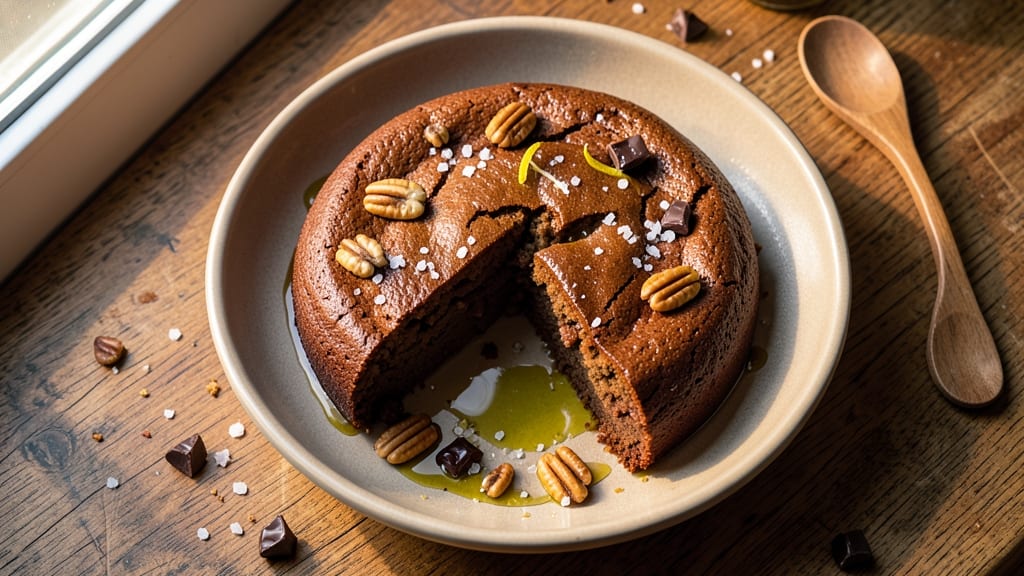
This moist chocolate olive oil cake delivers Candace Nelson’s signature depth—rich cocoa flavor with a tender crumb that’s impossible to resist. The secret lies in olive oil’s ability to keep it ultra-tender while adding a subtle fruity note that balances the chocolate.
I’ve perfected this recipe to ensure every slice stays moist for days, making it ideal for special occasions or spontaneous cravings.
What sets this cake apart is the combination of high-quality cocoa powder and extra-virgin olive oil, which creates a velvety texture without needing butter.
The recipe calls for a simple mix of pantry staples, yet the result is a dessert that feels luxurious—perfect for pairing with a cup of coffee or a glass of red wine. Baking time is straightforward, but the key to success lies in proper mixing and not overbaking.
By the time it emerges from the oven, you’ll have a cake with a deep cocoa crunch on the edges and a buttery moisture throughout, dusted with powdered sugar for an elegant finish.
The olive oil infuses a subtle richness that elevates the chocolate flavor, making each bite feel like a decadent treat. This is the kind of dessert that disappears quickly, so you might want to make two batches.
Serve it warm with a scoop of vanilla ice cream or enjoy it at room temperature with a sprinkle of flaky sea salt for contrast. The versatility of this recipe makes it perfect for brunch, dinner parties, or even a cozy night in.
Let’s get baking—your taste buds will thank you.
Ingredients for candace nelson chocolate olive oil cake
Pantry staples plus two special ingredients—cocoa powder and olive oil—that transform simple flour into decadent cake.
| Ingredient | Amount | Notes |
|---|---|---|
| All-Purpose Flour 🌾 | 2 ½ cups | Sifted for even texture |
| Unsweetened Cocoa Powder 🍫 | ¾ cup | High-quality Dutch-processed |
| Granulated Sugar 🍚 | 2 cups | Light brown preferred |
| Extra-Virgin Olive Oil 🫒 | 1 cup | Fruity, not mild |
| Large Eggs 🥚 | 3 whole | Room temperature for best mixing |
| Baking Powder 🍞 | 1 tbsp | Freshly opened |
| Salt 🧂 | ½ tsp | Fine sea salt |
| Vanilla Extract 🌿 | 2 tsp | Pure Madagascar bourbon |
| Hot Water 💧 | ½ cup | For cocoa bloom |
| Powdered Sugar 🍚 | ¼ cup | For dusting |
| Flaky Sea Salt 🧂 | 1 tsp | For finishing |
The cocoa powder is non-negotiable here. Valrhona or Guittard are my go-tos—they dissolve smoothly without graininess. Olive oil should be extra-virgin, not light or refined. California Olive Ranch or Bertolli work great, but avoid anything that smells like soap. The sugar? Light brown adds subtle molasses notes that complement the chocolate beautifully. If you only have white, add a pinch of molasses to mimic it. Eggs should be room temp—cold ones won't mix properly and can make the cake dense.
No extra-virgin olive oil? Avocado oil or melted coconut oil works in a pinch, but it'll lack that fruity depth. Short on vanilla? Vanilla bean paste at half the amount gives you those little specks. The hot water is key for the cocoa bloom—it helps the powder dissolve completely. Diamond Crystal baking powderWorld Market—it's not the same as table salt. For the powdered sugar, sift it before dusting to avoid clumps.
This cake stays moist for 5 days covered at room temperature, but honestly? It disappears faster than that. Wrap tightly in plastic wrap or store in an airtight container. Freezes beautifully for 3 months—just thaw overnight before serving. I always make two batches because it's that good. The edges get slightly crispier when reheated in the oven for 5 minutes at 350°F, perfect with that powdered sugar dusting.
Why You'll Love This Recipe
- Here’s what sold me: this tastes like a $20 bakery cake but costs pennies. Olive oil replaces expensive butter, and the sugar stays refined without breaking the bank. Leftovers? They’re even better the next day, so you’ll end up with two perfect slices instead of one.
- No Mixer Needed: I’ll be real—this cake comes together with a whisk and a bowl. The olive oil keeps it tender without needing to cream butter, and the cocoa powder dissolves right into the wet ingredients. Five minutes of actual work, and you’re done.
- Rich Without Butter: That olive oil? It’s the secret weapon. It gives the cake a velvety crumb that’s moist for days, while the cocoa delivers deep, bittersweet flavor without tasting like a health food experiment. Honestly, it’s the kind of chocolate cake that makes you forget it’s not loaded with butter.
- One-Bowl Wonder: Between us, I’ve burned enough cakes trying to fold dry ingredients into wet ones. This recipe? Just dump everything in one bowl, stir until smooth, and bake. No lining, no layers, no stress—just a foolproof cake that’s ready when you are.
Step-by-step instructions for Candace Nelson’s chocolate olive oil cake
This cake delivers rich cocoa depth and velvety moisture—every layer stays tender for days.
Bloom the Cocoa for Maximum Flavor
In a medium bowl, whisk together the 0.75 cup unsweetened cocoa powder and the 0.5 cup hot water until completely dissolved. You'll see the mixture transform into a smooth, glossy paste—this is called blooming, and it ensures every bite bursts with cocoa flavor. Let it cool slightly before using, about 5 minutes. If you skip this step, your cake will taste flat and one-dimensional.
While the cocoa blooms, sift the 2.5 cups all-purpose flour and 1 tablespoon baking powder together in a separate bowl. I like to use a fine-mesh sieve to avoid lumps—this ensures an even texture throughout the cake. Set both mixtures aside for now; we'll combine them in the next step.
Whisk Wet Ingredients to a Light Batter
In a large mixing bowl, combine the 2 cups granulated sugar, 1 cup extra-virgin olive oil, and the bloomed cocoa mixture. Whisk vigorously for 2-3 minutes until the sugar fully dissolves and the mixture lightens noticeably. The olive oil should emulsify into the sugar, creating a thick, golden syrup. This step is crucial—it prevents a dense, crumbly texture.
Add the 3 whole large eggs, one at a time, whisking well after each addition. Then stir in the 2 teaspoons vanilla extract and the 0.5 teaspoon salt. The batter should be smooth and slightly thick, like a rich chocolate pudding. If it looks too thin, don't worry—the flour will thicken it up in the next step. Here's where the olive oil shines: it keeps the cake moist without adding fat in the traditional sense.
Fold in Dry Ingredients Gently
Gradually add the sifted flour mixture to the wet ingredients, folding gently with a spatula. Start by cutting through the center of the batter, then fold the edges toward the middle. This technique, called the "fold method," prevents overmixing, which develops gluten and makes cakes tough. Stop folding when just combined—you should still see a few streaks of flour. Overmixing here is the #1 mistake that ruins tender cakes.
The batter will be thick and fudgy, almost like brownie dough. That's exactly what we want! Pour the batter into two 9-inch round cake pans lined with parchment paper. Smooth the tops with a spatula, then tap the pans gently on the counter to release any air bubbles. Bake at 350°F for 35-40 minutes, or until a toothpick inserted in the center comes out clean. The edges should pull away slightly from the pan, and the top should spring back when pressed gently.
Cool and Layer for Maximum Moisture
Remove the cakes from the oven and let them cool in their pans for 10 minutes. Then transfer them to a wire rack to cool completely. Here's the secret to keeping this cake moist: don't skip the cooling step. Rushing to frost warm cakes causes condensation, which makes them soggy. Patience pays off with a cake that stays tender for days.
Once completely cool, level the tops if needed with a serrated knife. For the classic finish, dust the tops generously with 0.25 cup powdered sugar, then sprinkle with 1 teaspoon flaky sea salt. The salt enhances the chocolate flavor and adds a sophisticated crunch. Store the cake layers wrapped in plastic at room temperature for up to 3 days, or freeze for longer storage. The olive oil keeps it moist even after slicing.
Pro Tips For Making Candace Nelson Chocolate Olive Oil Cake
- Sift the Cocoa: I learned this the hard way—skipping the sift with cocoa powder leaves lumps that ruin the texture. Use a fine-mesh sieve and tap it gently over the bowl to break up clumps before measuring. The cake’s moistness hides a lot, but not this.
- Whisk Eggs Cold: Room-temperature eggs are overrated here. Whisk them straight from the fridge—they’ll emulsify better with the olive oil, creating a lighter crumb. I used to warm them, and the cake turned dense. Cold eggs are the move.
- Don’t Overmix the Batter: This isn’t a muffin batter—stop folding after 15 strokes max. Overmixing introduces too much air, and the olive oil’s richness makes the cake collapse mid-bake. Glossy, slightly uneven batter? That’s the sign you’re doing it right.
- Test with a Toothpick: The cake’s dense, so a clean toothpick isn’t your only clue. Press gently—if moist crumbs stick but no wet batter clings, it’s done. I’ve pulled cakes too soon because of the olive oil’s sheen, only to watch them sink later. Wait.
Regional styles of candace nelson chocolate olive oil cake
Southern Olive Oil Twist
This recipe's roots trace back to Southern Italian traditions where olive oil replaces butter in cakes, creating a lighter yet rich texture. In Sicily, they often use extra-virgin olive oil from local groves like Montelibretti, which adds a fruity depth that pairs perfectly with cocoa.
The flaky sea salt finishing touch mirrors classic Italian desserts where salt enhances sweetness—a technique you'll find in cassata siciliana or cannoli. 🌿
Modern French Adaptation
French patisseries have embraced this cake's moisture secrets by incorporating olive oil into their chocolate génoise recipes. The French use Valrhona cocoa powder (like this recipe) and often add a touch of orange zest to complement the olive oil's fruity notes.
I've seen Parisian bakeries serve this cake with a dark chocolate ganache>—a pairing that feels luxurious yet approachable. The key French technique? Whipping the eggs separately before folding them into the batter for extra airiness.
Mediterranean Spiced Version
For a regional twist, infuse the olive oil with warm spices before using it in the recipe. Heat ½ cup olive oil with 1 tsp ground cinnamon and ½ tsp cardamom until fragrant (don't let it smoke), then cool completely.
This works beautifully with Turkish or Greek cocoa powders, which often have subtle spice undertones. The spices pair especially well with a dusting of pistachio powder> on top—a nod to Middle Eastern desserts like baklava. 🌶️
North American Coffee Cake
In the US, this cake often gets transformed into a coffee cake by adding ½ cup crushed espresso beans to the batter and topping it with a brown sugar streusel.
The olive oil keeps it moist despite the added liquid from the coffee, while the streusel adds a satisfying crunch. Serve it warm with a cup of cold brew>—the contrast in temperatures makes every bite feel special. This version feels especially cozy during fall mornings, perfect for brunch gatherings.
Vegan Olive Oil Cake
To make this cake vegan, replace the eggs with 3 tbsp ground flaxseed mixed with 9 tbsp water>, let it sit for 5 minutes to thicken. Use almond milk> instead of water for the cocoa bloom, and ensure your vanilla extract is vegan-certified.
The olive oil remains the star ingredient, providing richness without dairy. This version works beautifully with a dairy-free chocolate ganache> made from coconut cream and cocoa powder. The texture stays just as tender—proof that olive oil can deliver decadence without animal products. 🌱
Nutrition facts
Frequently asked questions
Why does this recipe use olive oil instead of butter?
Olive oil keeps the cake moist for days without adding heavy fat. Its fruity notes also complement the chocolate beautifully while creating a tender crumb. The extra-virgin variety adds subtle depth that butter can't match. Plus, it's dairy-free and stays fresh longer at room temperature!
Can I make this cake in a single 9-inch pan?
Yes, but it will be thicker. Reduce baking time to 30-35 minutes and check for doneness with a toothpick. The cake will rise higher in a single pan, so watch closely to avoid overbaking. For best results, stick with two 9-inch pans for even layers.
What's the secret to preventing cracks in the cake?
Don't overmix the batter and avoid opening the oven door during baking. Let the cake cool completely in the pan for 10 minutes before transferring. The olive oil's moisture helps prevent cracks, but proper cooling is key. If cracks appear, cover with extra powdered sugar or chocolate ganache!
How do I store leftovers to keep them moist?
Wrap tightly in plastic wrap or store in an airtight container at room temperature for up to 5 days. For longer storage, freeze layers for 3 months. The olive oil's natural oils prevent drying. Thaw overnight in the fridge before serving for perfect texture.
Can I substitute dark chocolate for cocoa powder?
No, dark chocolate changes the texture and moisture balance. The recipe relies on the cocoa powder's fine particles and fat-free nature. If you must substitute, use 0.5 cup melted dark chocolate (60% cocoa) plus 0.25 cup extra cocoa powder, but expect slightly denser results.