Desserts
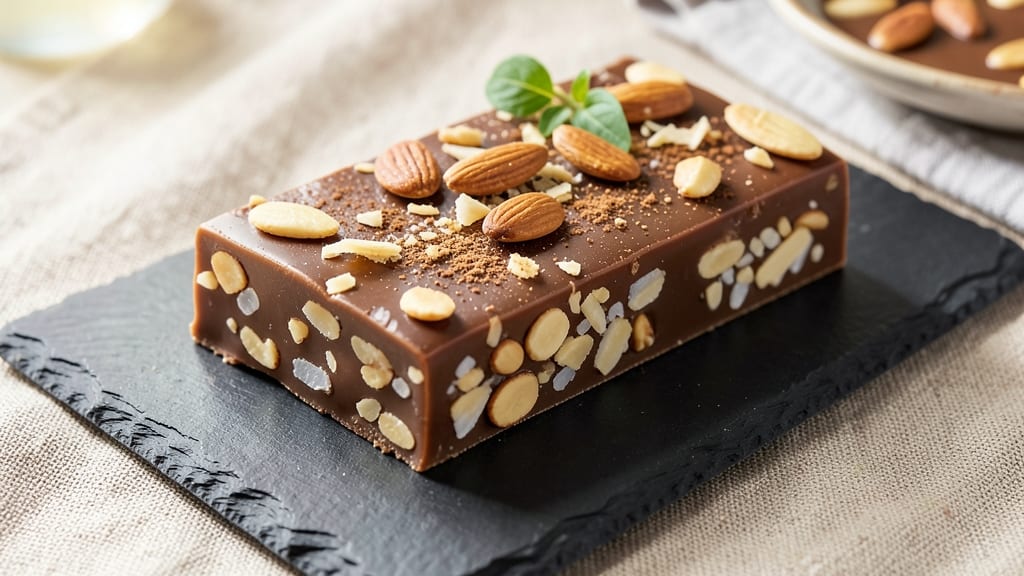
This carob chocolate bar recipe delivers rich, nutty sweetness without the sugar crash, perfect for satisfying cravings the healthy way. 🌟 The secret lies in carob powder—a naturally sweet, caffeine-free alternative that creates a velvety texture with deep chocolatey flavor.
I developed this recipe after discovering how carob could mimic chocolate's indulgence while offering nutritional benefits like fiber and calcium.
The process is straightforward: melt coconut oil with carob powder and a touch of maple syrup, then mix in your choice of add-ins like almonds, coconut flakes, or cinnamon for extra depth. The bars bake until set, creating a firm yet tender texture that holds up beautifully.
What makes this recipe special is how versatile it is—you can customize it with spices, nuts, or even a pinch of sea salt for complexity.
What you'll end up with is a batch of rich, carob-infused bars that taste decadent but are packed with plant-based goodness. The carob gives them a naturally sweet, slightly tangy flavor with none of the sugar spikes, while the coconut oil adds a smooth, creamy mouthfeel.
These bars are perfect for snacking, gifting, or meal prep—each piece delivers satisfying crunch and melt-in-your-mouth texture.
Store them in an airtight container for up to two weeks, or freeze for longer shelf life. The recipe scales easily, so you can make a large batch for sharing or keep a smaller version on hand for quick treats.
Whether you're avoiding sugar or simply exploring carob's unique flavor profile, these bars are a game-changer for guilt-free indulgence.
Ingredients for carob chocolate bar
Carob powder, coconut oil, and maple syrup form the perfect trio for these rich, nutty bars.
| Ingredient | Amount | Notes |
|---|---|---|
| Carob Powder 🍫 | 1 ½ cups | High-quality, unsweetened carob |
| Coconut Oil 🥥 | 1 cup | Unrefined for best flavor |
| Maple Syrup 🍁 | ½ cup | Grade B for robust flavor |
| Raw Almonds 🌰 | 1 ½ cups | Chopped or slivered |
| Unsweetened Coconut Flakes 🥥 | ½ cup | Toasted for extra crunch |
| Ground Cinnamon 🌿 | 1 tbsp | Freshly ground preferred |
| Sea Salt 🧂 | ½ tsp | Fine grain for sprinkling |
| Vanilla Extract 🌸 | 1 tsp | Pure alcohol-free if preferred |
| Cocoa Powder 🍫 | ¼ cup | Dutch-processed for smoothness |
| Chia Seeds 🌱 | 2 tbsp | For extra fiber and crunch |
| Unsweetened Shredded Coconut 🥥 | ¼ cup | For topping (optional) |
Carob powder is the star here—Bob's Red Mill or NOW Foods are reliable brands for high-quality, unsweetened versions. The powder should be fine and free of clumps, with a deep chocolatey aroma. If you can't find carob powder, carob chips blended into a powder works in a pinch, though texture might vary slightly. For coconut oil, virgin or unrefined gives the best flavor, but refined will work if you're in a hurry. Maple syrup is non-negotiable for that authentic sweetness—Grade B has more robust flavor than Grade A. If you're using almonds, raw and unsalted are ideal, but roasted almonds add a nice toasty note.
No carob powder? Cocoa powder plus a pinch of cinnamon can mimic some of the flavor, though the texture will differ. Swap maple syrup for agave nectar or date syrup, but reduce by about 10% since they're slightly sweeter. If you're avoiding coconut, avocado oil or melted vegan butter work well—just watch the smoke point. For extra crunch, toasted pecans or walnuts are great substitutes for almonds. The chia seeds can be skipped if you're short on time, but they add a nice texture contrast. Always toast your coconut flakes or shredded coconut—3-5 minutes in a dry pan brings out their natural sweetness.
These bars keep beautifully in an airtight container for 2 weeks at room temperature or 3 months in the freezer. For easy cutting, chill them for 1 hour before slicing into squares. Wrap individual bars in parchment paper for gifting—they make fantastic homemade treats. If you're making a large batch, divide them into portions before freezing for quick grab-and-go snacks. The flavor actually improves over time as the ingredients meld together—perfect for meal prep.
Why You'll Love This Recipe
- No-Fuss Mixing: I swear by this recipe because it’s three ingredients, one bowl—just melt the coconut oil, stir in the carob and maple syrup, then fold in the nuts. No blender, no fancy tools, just a spoon and 10 minutes of my time while the coffee brews.
- Rich Without Guilt: Honestly, the carob’s deep cocoa notes with that buttery coconut oil hit just right—not too sweet, not too bitter. The raw almonds add crunch, and the coconut flakes? They turn it into something that tastes like a dessert but won’t leave me crashing later. (Yes, even on a Tuesday night.)
- Snack Attack Ready: Between us, these bars are my go-to for lunchboxes, gym bags, or when I need a quick pick-me-up. I make a big batch on Sundays, slice them up, and they last weeks—no weird aftertaste or soggy texture. (My kid picks out the almonds first, but still asks for seconds.)
- Budget-Friendly Luxury: Carob powder is cheaper than cocoa, and coconut oil lasts forever. I’ve made these for under $0.50 per bar, and they’re way more satisfying than store-bought junk. Plus, no weird additives—just real ingredients that taste like you actually put effort in. (Spoiler: You didn’t have to.)
Step-by-step instructions for homemade carob chocolate bars
Let's make these rich, nutty bars that satisfy chocolate cravings without the sugar rollercoaster.
👨🍳 Step 1: Melt the Base Ingredients
In a medium heatproof bowl, combine the 1 cup coconut oil and 0.5 cup maple syrup. Place this over a pot of simmering water (double boiler method) and heat gently until the coconut oil melts completely and the mixture becomes smooth. You'll know it's ready when it reaches about 110°F—just warm enough to blend but not hot enough to scorch.
Remove the bowl from heat and whisk in the 1.5 cups carob powder and 0.25 cup cocoa powder until completely dissolved. The mixture should thicken slightly and develop a deep chocolatey hue. If you notice any lumps, strain the mixture through a fine-mesh sieve for a silky-smooth texture. Here's the thing—carob has a slightly earthier taste than cocoa, so don't worry if it smells different at first.
👨🍳 Step 2: Add Flavor and Texture Boosters
Stir in the 1 tsp vanilla extract, 1 tbsp ground cinnamon, and 0.5 tsp sea salt until fully incorporated. The cinnamon adds warmth while the salt enhances all the flavors—this is where the magic happens. For the nutty crunch, pulse the 1.5 cups raw almonds in a food processor until they're finely chopped but not powdered. You want texture, not almond butter!
Add the chopped almonds and 2 tbsp chia seeds to the carob mixture and stir well. The chia seeds will add a subtle crunch and extra fiber. Let the mixture cool slightly for 5-10 minutes while you prepare your baking pan—this prevents premature setting when you pour it in.
🥘 Step 3: Prepare the Pan and Pour
Line an 8x8-inch baking pan with parchment paper, leaving an overhang on all sides for easy removal. Lightly grease the parchment with coconut oil to prevent sticking. Pour the carob mixture into the prepared pan and spread it evenly using an offset spatula. Tap the pan gently on the counter to release any air bubbles—this ensures a smooth, professional finish.
Sprinkle the 0.5 cup unsweetened coconut flakes evenly over the top, pressing them down lightly so they adhere. For extra decadence, add the 0.25 cup unsweetened shredded coconut in a decorative pattern. Here's where it gets fun—run a fork across the top in a crisscross pattern to create those classic chocolate bar lines.
⏰ Step 4: Chill and Set Properly
Refrigerate the bars for 4 hours or freeze for 2 hours until completely firm. This is crucial—the bars need time to set properly so they hold their shape when you cut them. I know it's tempting to cut them sooner, but patience here makes all the difference. The texture should be firm enough that when you press a finger gently, it leaves no impression.
Once set, remove the pan from the fridge/freezer and carefully lift the bars out using the parchment overhang. Cut into 12 equal squares using a sharp knife or pizza cutter. For clean cuts, dip the knife in hot water between each cut. Store in an airtight container in the fridge for up to 2 weeks or freeze for up to 3 months—they'll keep beautifully!
Pro Tips For Making Carob Chocolate Bar
- Melt Coconut Oil Slowly: I learned this the hard way—dumping coconut oil straight into a hot pan and watching it seize up like a stubborn child. Instead, heat it in 10-second bursts on low, stirring constantly until it’s fully liquid but not yet smoky. Carob powder hates uneven heat, and you’ll end up with grainy bars if the oil’s temperature swings.
- Toast Almonds First: Skip the raw almonds straight from the bag—they’ll taste bland and chalky in your bars. Pulse them in a food processor until they’re finely chopped, then spread them on a dry pan over medium heat. Stir every 30 seconds until they’re golden and smell like a bakery. This step makes a real difference in texture and flavor, and it only takes 5 minutes.
- Mix Dry Ingredients Last: I used to add carob powder and coconut flakes to the wet mix too early, and the result was always lumpy. Instead, melt the coconut oil and maple syrup together first, then stir in the dry ingredients just until combined. Overmixing incorporates air, which can make the bars crumbly when they set.
- Chill Bars Properly: Don’t rush the cooling process—just because they look set doesn’t mean they’re firm. Spread the mixture into your pan, then pop it in the fridge for 10 minutes before transferring to the freezer for 30-45 minutes. This two-step method guarantees clean slices without the bars sticking or breaking. (Yes, even if you’re impatient like me.)
Flavor customization for this carob chocolate bar
Spiced Variations
Warm up your carob bars with a pinch of cardamom or nutmeg—just ½ tsp of either adds aromatic depth without overpowering. I love adding ½ tsp freshly grated ginger for a zesty kick that pairs beautifully with the nutty almonds.
For a smoky twist, sprinkle ¼ tsp smoked paprika over the top before chilling—it gives the bars a subtle campfire note. 🌶️
Nutty Add-Ins
Swap almonds for pecans or walnuts—toasted pecans bring a buttery richness, while walnuts add earthy complexity. For a tropical vibe, fold in ½ cup shredded dried mango or dried pineapple (finely chopped) during Step 2.
If you're feeling adventurous, try pumpkin seeds for a savory-sweet contrast that works surprisingly well with carob’s natural tang. 🌰
Sweet Enhancements
Boost natural sweetness with 1-2 tbsp date paste (blended dates) instead of extra maple syrup. For a caramelized touch, drizzle 2 tbsp maple syrup over the top after pouring and broil for 2 minutes before chilling.
A sprinkle of cinnamon sugar (mix 1 tbsp cinnamon with 1 tbsp maple syrup) on top adds a sweet crunch that’s irresistible. 🍯
Savory Contrasts
Balance the sweetness with flaky sea salt—sprinkle ½ tsp Maldon salt over the coconut flakes before chilling for a sophisticated finish. For a salty-sweet combo, fold in ¼ cup vegan white chocolate chips (like Enjoy Life brand) during Step 2.
A dash of espresso powder (¼ tsp) enhances the chocolatey notes without bitterness. 🧂
Texture Play
Add ¼ cup crushed freeze-dried raspberries for a tart, jammy burst. For extra crunch, press ½ cup granola (oat-based) into the top layer before chilling. If you love fudge-like texture, reduce the coconut flakes to ¼ cup and add 2 tbsp tahini to the base mixture for creaminess. 🥥
Seasonal Twists
In fall, fold in ½ tsp orange zest and 1 tbsp orange juice for a citrusy brightness. For winter, add ½ tsp clove and ¼ cup dried cranberries (chopped) for a festive touch. Summer calls for ½ cup toasted coconut flakes and 1 tsp lime zest—refreshing and light. 🍊
Nutrition facts
Frequently asked questions
Can I substitute carob powder with cocoa powder?
While cocoa powder can mimic some chocolate flavor, carob has a distinct earthy sweetness that's harder to replicate. For a closer match, use 1 cup cocoa powder plus 1 tsp cinnamon and ½ tsp vanilla to enhance depth. The texture will be slightly different—carob creates a firmer, more brittle bar.
Why do my carob bars turn out crumbly?
Crumbly texture usually means the coconut oil wasn't fully melted or the mixture cooled too quickly. For smoother bars, ensure your coconut oil reaches 110°F before mixing with carob powder. Let the mixture cool slightly (5-10 minutes) before pouring into the pan to prevent premature setting.
How do I make these bars nut-free?
Simply omit the almonds and replace them with 1 cup pumpkin seeds or ½ cup sunflower seeds for crunch. For extra richness, add 2 tbsp tahini to the base mixture. The bars will still hold together well without nuts—just reduce coconut flakes to ¼ cup to maintain balance.
Can I use this recipe for a gift?
Package individual bars in cellophane bags tied with twine and a sprig of rosemary for an elegant touch. For extra presentation, drizzle melted coconut oil over the top before chilling and sprinkle with edible gold dust or crushed freeze-dried fruit. Store in an airtight container for up to 2 weeks before gifting.
What's the best way to store these bars?
Keep them in an airtight container at room temperature for 1 week or in the fridge for 2 weeks. For longer storage, freeze for up to 3 months. To prevent sogginess, place a piece of parchment paper between layers if stacking. The flavor actually improves over time as ingredients meld!